
Filters
Level
Grade
Subject
Subject Area
Subject Topic
Standard(s)
Audience
Keyword
DurationMinutes
Infant Cognitive Development Lesson Plans


This lesson plan focuses on introducing infants (6-12 months) to the concept of cause and effect through engaging, hands-on activities. The session includes interactive exploration with colorful balls, where infants learn through rolling and pushing; musical instruments that produce sounds through actions; and bubble play that highlights the interplay between blowing and bubble creation. Additionally, sensory exploration allows infants to experience various textures, reinforcing the relationship between their actions and the responses they observe. The lesson concludes with a creative activity where infants use crayons or finger paints to collaboratively create art, solidifying their understanding of how their marks lead to a tangible outcome. Throughout the lesson, caregivers will observe infants’ engagement and reactions, supporting cognitive development in a fun and stimulating environment. Extensions for home activities will provide opportunities for families to continue exploring cause and effect in everyday settings.

This lesson plan aims to foster memory development in infants aged 6 to 12 months through engaging and interactive activities. The session begins with a brief introduction highlighting the importance of memory during early cognitive growth. Subsequently, caregivers and infants participate in activities that promote recognition of familiar faces by showing photographs of family members and engaging in a recognition game.
Infants explore various sensory stations with colorful toys and textures, encouraging manipulation and interaction while caregivers reinforce memory through naming and dialogue. The plan includes a musical memory game where infants shake instruments in response to a repetitive song, highlighting their recall abilities.
A storytime enhancement with a colorful fabric book invites caregivers to encourage infants to recognize and react to familiar images. The session concludes with discussions on how caregivers can continue memory-boosting activities at home, emphasizing the importance of reinforcing recognition through play and interaction. Throughout the lesson, observation of infants' responses helps assess their engagement and cognitive development in a nurturing environment.
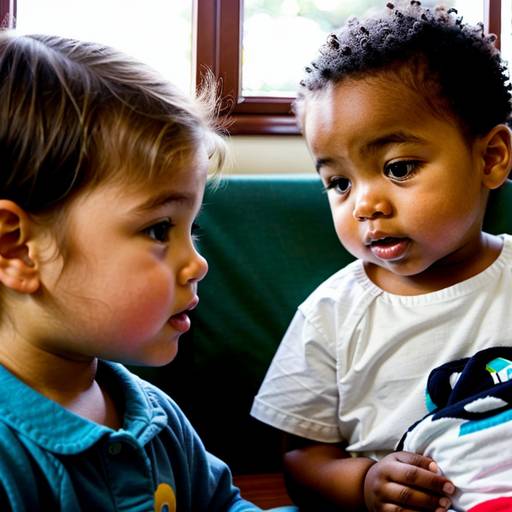
This lesson plan focuses on introducing infants aged 6-12 months to the concept of cause and effect through interactive and sensory activities. The session begins with an engaging introduction to the idea of cause and effect, using simple language and visual demonstrations.
Participants engage in several hands-on activities, starting with rolling soft balls back and forth to explore movement and initiation. Next, a water play table allows infants to pour water from one container to another, observing the resulting splashes and movements. Sound exploration is facilitated with musical instruments, encouraging infants to create noise through their actions, illustrating the connection between cause and effect. The session includes a fun bubble activity, where infants learn that blowing air creates bubbles, which they can then pop.
To reinforce the concept, a cause and effect-themed story is read aloud, prompting infant engagement through interaction with the narrative. The session concludes with a wrap-up discussion that encourages caregivers to identify their child's favorite moments during the activities and provides them with follow-up suggestions on how to reinforce these concepts at home. Throughout the lesson, caregivers and facilitators monitor infants’ reactions, ensuring a supportive environment for cognitive development.
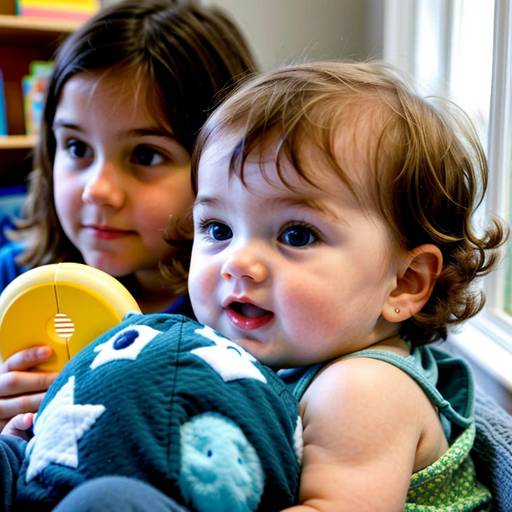
This lesson plan focuses on introducing infants aged 6 to 12 months to the concept of object permanence through engaging activities. The aim is to help infants recognize that objects continue to exist even when they are out of sight. The session begins with a warm-up activity where infants explore a soft toy.
Next, a "hide and seek" game is played, where the toy is concealed under a blanket and then revealed, encouraging the infants to search for it. This is followed by an exploration using a small box containing various toys, allowing infants to discover them while reinforcing the idea that they are still there even when not visible.
To engage the infants further, a sound game is introduced with rattles or crinkly paper, linking sounds to hidden objects. The lesson wraps up with a reflection circle where infants can interact with the soft toy again, and a simple rhyme or song is incorporated for additional engagement.
Throughout the lesson, caregivers are encouraged to observe and interact, helping to support the infants’ developing understanding of object permanence. In addition, optional extensions are suggested to further reinforce the concept at home through books and everyday interactions.
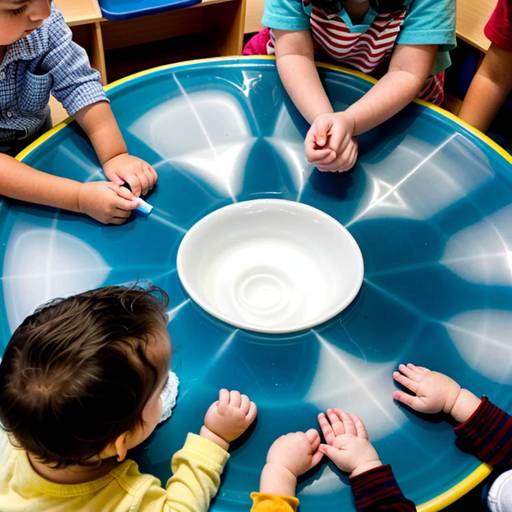
This lesson plan aims to enhance infants' understanding of cause and effect through interactive and sensory-rich activities. Designed for infants aged 6 to 12 months, the session involves three key activities: exploring various textured balls to observe rolling and bouncing, engaging in water play to create splashes and ripples, and experimenting with musical instruments to discover sound production. The plan emphasizes caregiver involvement, encouraging them to guide infants in making connections between their actions and the resulting outcomes. The session concludes with a group discussion and an interactive story time, reinforcing the concepts learned through play. Safety is prioritized, particularly during the water play, while fostering a fun and engaging learning environment. Observations during the activities will help tailor future sessions based on the infants' interests and developmental progress.
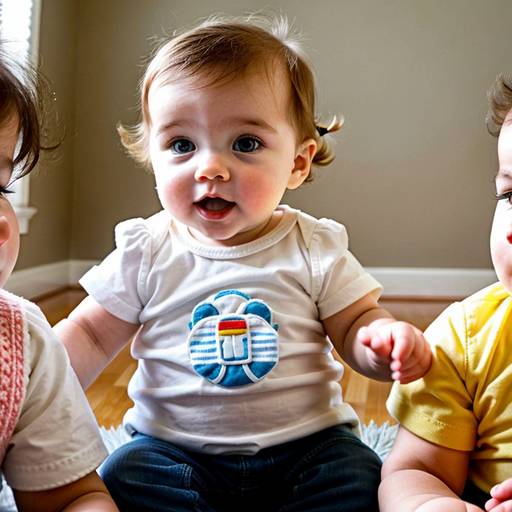
This lesson plan focuses on facilitating cognitive development in infants, specifically targeting memory skills through engaging and interactive activities. Designed for a group of infants and their caregivers, the session includes sensory exploration with colorful toys and props, helping infants to stimulate their senses and form associations. Caregivers guide their infants through a memory game using familiar images, enhancing recognition and recall abilities.
Storytime incorporates repetitive rhymes from board books to reinforce memory through rhythm and sound, while a movement activity encourages infants to respond to auditory stimuli, further promoting recognition. The plan concludes with a reflective discussion where caregivers can share insights about their infants' engagement, and offers strategies for enhancing memory development at home. Overall, the lesson aims to create a fun, supportive environment for infants and caregivers to explore the foundations of memory and promote positive learning experiences.

This lesson plan focuses on fostering infant cognitive development, specifically targeting memory skills in infants aged 0 to 12 months. The session, lasting 30-45 minutes, begins with an introduction to the milestones of memory development, highlighting the importance of memory in cognitive growth.
The activities incorporate engaging, sensory-rich experiences to promote memory through exploration and repetition. Caregivers are encouraged to present soft toys with various textures for infants to touch and grasp, while naming and describing them to establish associations. Additionally, rhythmic nursery rhymes are introduced, involving singing and hand motions to enhance auditory memory recall.
Picture books featuring simple images are used to facilitate visual memory development, with caregivers playing interactive games that promote object permanence through “peek-a-boo” routines. The session concludes with a wrap-up discussion that encourages caregivers to share their insights and observations about their infants' reactions, alongside practical tips for reinforcing memory skills at home.
Overall, the lesson plan emphasizes interactive play and nurturing interactions to support cognitive and memory development in infants, fostering close caregiver-infant bonds and encouraging ongoing developmental engagement.
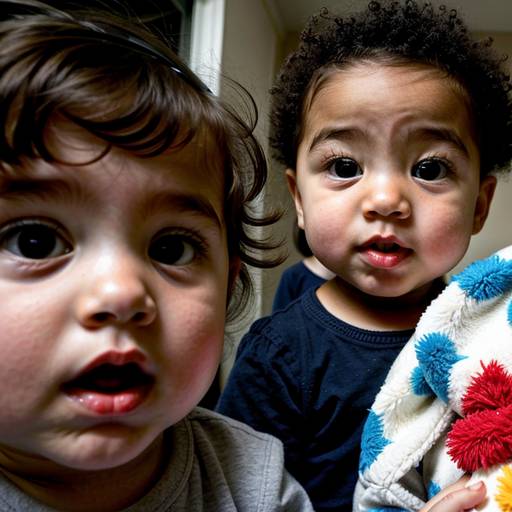
This lesson plan is designed for infants aged 6-12 months to introduce them to the concept of object permanence through interactive play and sensory exploration. The session begins with a warm welcome and a brief explanation for caregivers about object permanence. It features engaging activities such as a game of peek-a-boo, where caregivers cover their faces and then reveal themselves, helping infants understand that people still exist even when out of view.
Next, infants participate in a "hide and seek" game with toys hidden under blankets or inside boxes, encouraging them to uncover the toys and reinforcing the idea that objects remain, even when not visible. Mirror play allows infants to explore their reflections, further aiding their understanding of presence and identity. The lesson concludes with music and movement, where caregivers encourage interaction with simple instruments, emphasizing that sounds continue even when they can't be immediately seen.
Throughout the activities, caregivers are encouraged to observe and engage with their infants, enhancing learning experiences. The lesson wraps up with a reflection period where caregivers can share their observations and experiences, along with suggestions for continuing these activities at home to further support cognitive development. Overall, the plan emphasizes sensory exploration, active engagement, and playful interaction to foster infants' understanding of their environment.

This lesson plan focuses on enhancing memory development in infants aged 6 to 12 months through engaging sensory activities. The session begins with an introduction to the significance of memory in cognitive growth, followed by a series of interactive activities.
Infants participate in an object recognition game that encourages them to identify familiar toys while caregivers support their learning by naming objects. Next, a family faces match activity introduces infants to familiar photographs, fostering connection and recognition. Storytime with colorful books engages infants in a sensory exploration of images and sounds, reinforcing their memory through repetition. Finally, a musical memory activity allows infants to interact with instruments while enjoying a repetitive song, promoting both memory recall and rhythm recognition.
The session concludes with a reflection on the activities and strategies for caregivers to support memory skills at home. Observations during the lesson provide insights into each infant's engagement and memory abilities. This structured yet playful approach aims to stimulate cognitive development in a nurturing environment, encouraging infants to explore and connect with the world around them.
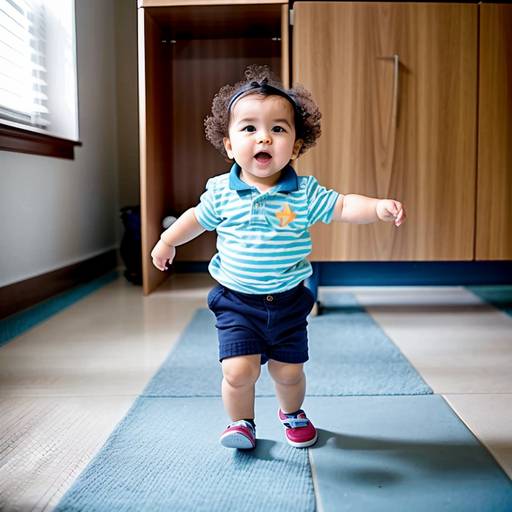
This lesson plan focuses on helping infants understand the concept of cause and effect through interactive and sensory-based activities. The session is designed for children aged 6 to 12 months and includes a variety of engaging materials such as soft balls, musical instruments, and water play items.
The lesson begins with a simple demonstration of rolling a ball, allowing infants to explore how their actions lead to specific outcomes. This is followed by a musical activity where they can create sounds by shaking instruments, reinforcing the connection between movement and auditory response. The water play activity encourages further exploration as infants discover which objects float or sink when introduced to water, emphasizing the cause-and-effect relationship in a hands-on manner.
Throughout the lesson, caregivers are encouraged to verbalize the actions and outcomes, supporting language development while ensuring an immersive learning experience. The session concludes with a group discussion to reinforce the concepts learned, accompanied by a fun, interactive song that invites participation, further solidifying their understanding of the concepts introduced.
Assessment is based on observational engagement, with plans for follow-up activities aimed at deepening their comprehension of cause and effect in future lessons.