
Filters
Level
Grade
Subject
Subject Area
Subject Topic
Standard(s)
Audience
Keyword
DurationMinutes
5th Grade Photo Editing Lesson Plans
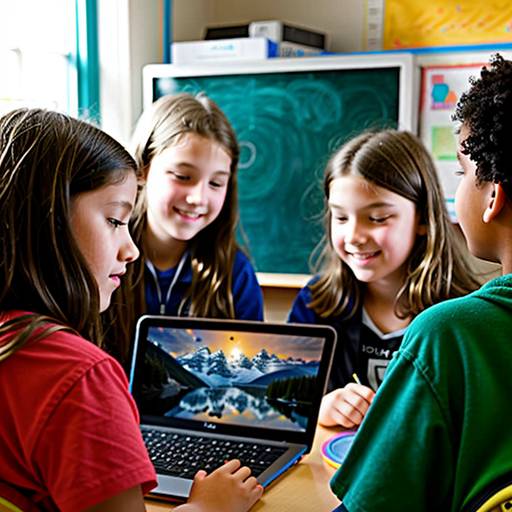
This lesson plan aims to teach 5th-grade students the fundamentals of multimedia creation and photo editing. Over the course of two class periods, students will explore the importance of multimedia in storytelling and learn essential photo editing techniques, such as cropping, adjusting brightness, adding filters, and overlaying text. They will participate in hands-on activities, where they select and edit images for their visual stories.
In the second class, students will compile their edited images into a cohesive digital story using multimedia creation tools, incorporating text, sound, and transitions. Peer feedback and sharing sessions will foster collaboration and encourage creativity. Students will be assessed on participation, creativity, and their application of photo editing skills, with accommodations and extension activities provided to support diverse learners and enhance their understanding of technology. Through this engaging approach, students will develop critical thinking, communication, and creativity skills.
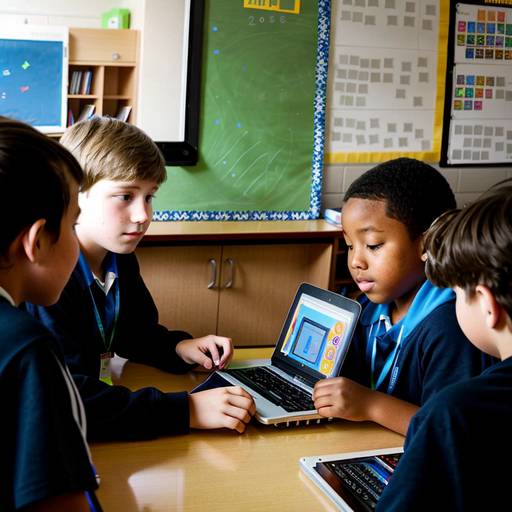
This lesson plan is designed for 5th-grade students to explore multimedia creation and photo editing over two class periods. The first day focuses on introducing students to multimedia concepts and basic photo editing techniques using appropriate software. Students participate in guided practice by editing sample images, which culminates in a class discussion about their edits.
On the second day, students will create a digital story that incorporates their edited images and accompanying text. They begin by brainstorming and outlining their narratives using storyboarding templates. Students then independently work on their digital stories, focusing on layout and design elements while being encouraged to express creativity. The lesson concludes with students preparing for brief presentations of their stories, which will take place in a future class.
Assessment criteria include the completion of storyboards, creativity in photo editing, clarity in storytelling, and participation in activities. Extensions are provided to encourage further exploration and application of skills learned. Overall, the lesson aims to enhance students' understanding of multimedia tools and storytelling techniques in a digital context.
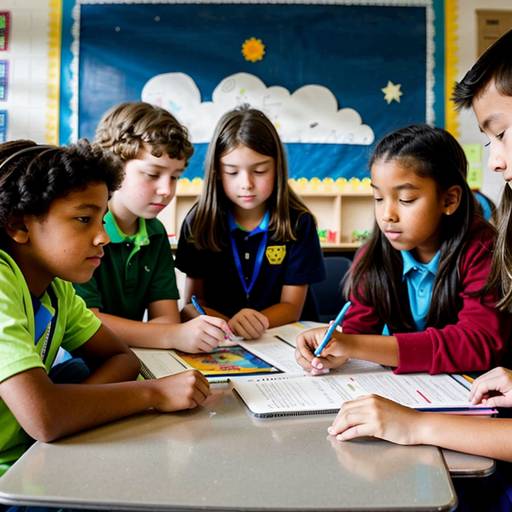
This lesson plan for 5th-grade technology focuses on multimedia creation and photo editing. Over two class periods, students will learn the fundamentals of creating digital photo collages that convey a story or theme. The lesson begins with an introduction to multimedia, including a discussion of where students encounter it in everyday life, followed by a demonstration of basic photo editing techniques using software tools. Students will then brainstorm ideas and sketch their collage layouts before gathering images to create their projects.
During the second class, students will engage in hands-on work to develop their collages while practicing the editing skills they learned. They will have the opportunity to collaborate and provide feedback to their peers throughout the creative process. To wrap up the lesson, students will present their collages to the class, discussing the stories behind their images and reflecting on their learning experiences. The assessment will evaluate creativity, technical execution, and adherence to project guidelines, with additional opportunities for presenting their work in a digital gallery format. This lesson not only fosters digital citizenship and creative communication skills but also promotes collaboration and self-expression among students.
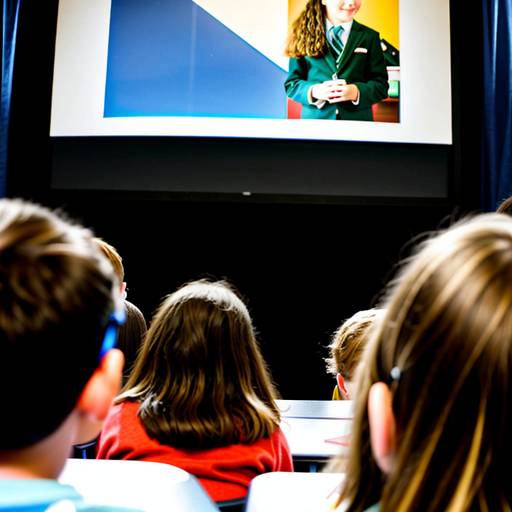
In this 5th-grade technology lesson, students will explore multimedia creation through photo editing and storytelling techniques. Over the course of two class periods, they will learn essential photo editing skills using multimedia software, such as cropping, adjusting brightness, and adding text.
The lesson begins with a discussion on how visuals can convey messages, followed by a demonstration of the photo editing tools. Students will then work in pairs to select a theme for their digital photo collage, sketching out their ideas before creating their collages using the software.
On the second day, students will present their collages to the class, explaining their creative choices and the techniques they utilized. Assessment will focus on participation, creativity, and clarity in both the collage and the presentation. Additional extensions may include creating a digital portfolio of work and organizing a gallery walk to showcase student projects. Overall, the lesson fosters creativity, collaboration, and practical skills in multimedia creation.