
Filters
Level
Grade
Subject
Subject Area
Subject Topic
Standard(s)
Audience
Keyword
DurationMinutes
5th Grade Creating Presentations Lesson Plans
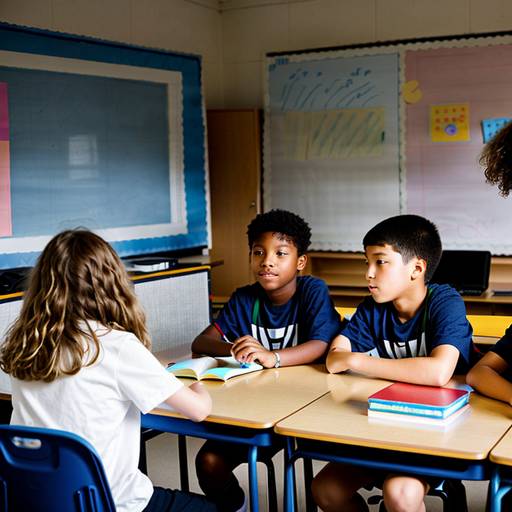
In this 5th grade technology lesson, students will engage in creating a digital storytelling project that integrates various multimedia elements. The lesson begins with an introduction to the concept of multimedia and its role in effective storytelling. Students will then select a topic and outline their presentations using a storyboard template.
After choosing their topics, they will explore different multimedia tools such as Google Slides, Microsoft PowerPoint, or Canva to create their presentations. The lesson includes a peer review component where students will share their drafts with a partner, receive feedback, and make improvements before finalizing their work.
Finally, students will present their multimedia projects to the class, showcasing the content they’ve developed and the multimedia elements they have integrated. Assessment will be based on a rubric that evaluates content quality, multimedia integration, presentation skills, and collaboration during the peer review process. The lesson encourages reflection on the impact of multimedia in enhancing communication and storytelling. Extensions and adaptations are included to cater to diverse skill levels and learning needs.
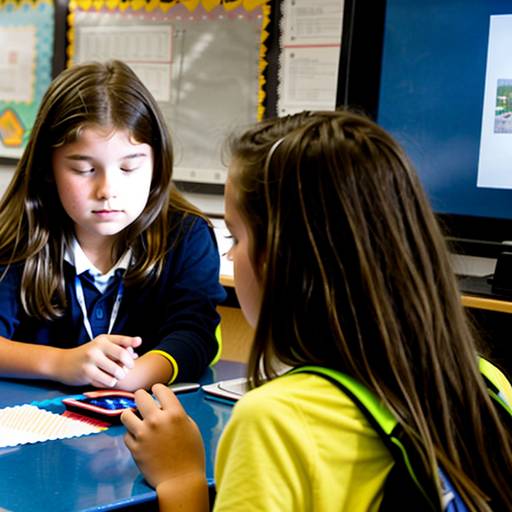
In this 5th-grade technology lesson, students will explore the creation of multimedia presentations that combine text, images, audio, and video to effectively tell a story or present information on a chosen topic. The lesson spans two class periods and begins with an introduction to multimedia elements, followed by brainstorming sessions to generate ideas for their projects. Students will then develop storyboards to plan their presentations, focusing on structure and the types of media they wish to incorporate.
In the second class period, students will use presentation software to create their projects, applying key design principles for effective communication. They will practice presenting their work to peers, providing constructive feedback in pairs before presenting their finished multimedia creations to the entire class. Assessment will be based on a rubric evaluating creativity, clarity, use of multimedia elements, presentation skills, and audience engagement. The lesson emphasizes collaboration, creativity, and the effective use of technology to convey messages, culminating in a showcase of their work. Additionally, a reflection discussion will allow students to share their experiences and insights gained throughout the process.
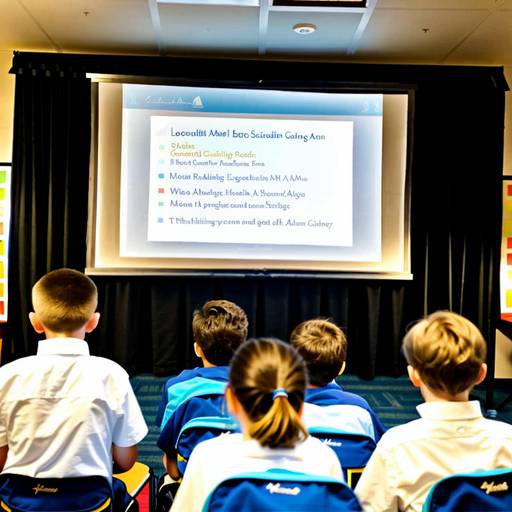
The first day involves introducing the elements of effective presentations through discussion, examples, and a group brainstorming activity where students outline their ideas on chosen topics. They work collaboratively to create mind maps and gain peer feedback on their concepts.
On the second day, students utilize computers to develop their presentations, incorporating various multimedia elements such as images, videos, and audio to enhance their messaging. They participate in a peer review session, providing constructive feedback to one another before finalizing their projects. The lesson concludes with students presenting their projects, followed by a reflection on their learning experience. Assessment focuses on the quality of the presentations, collaboration, and the effective use of multimedia, promoting creativity and communication skills. The plan includes extensions and differentiation strategies to cater to diverse learning needs.