
Filters
Level
Grade
Subject
Subject Area
Subject Topic
Standard(s)
Audience
Keyword
DurationMinutes
5th Grade Programming Languages Lesson Plans
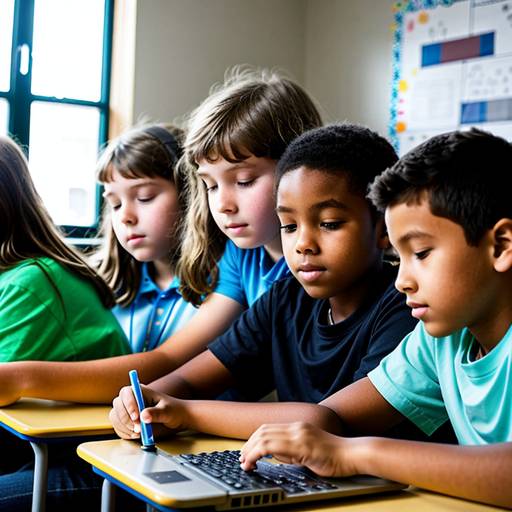
In this 5th-grade technology lesson plan, students will explore the basics of coding and programming languages through engaging discussions and hands-on activities. The lesson begins with an introduction to coding, including key vocabulary terms such as algorithm and debugging. Students will learn about different programming languages, with a particular focus on Scratch, a user-friendly platform for beginners.
The primary activity involves students logging into their Scratch or Code.org accounts to create simple animations or games using block coding. Throughout the activity, they will be encouraged to document their algorithms and troubleshoot any issues they encounter.
To conclude the lesson, students will have the opportunity to showcase their projects to classmates, discussing their learning experiences and the challenges they faced. Assessment will focus on student participation, project creativity, and comprehension of vocabulary. Extensions for advanced learners and adaptations for those needing additional support ensure a tailored learning experience for all students. Overall, the lesson aims to provide students with a foundational understanding of coding while fostering creativity and critical thinking skills.
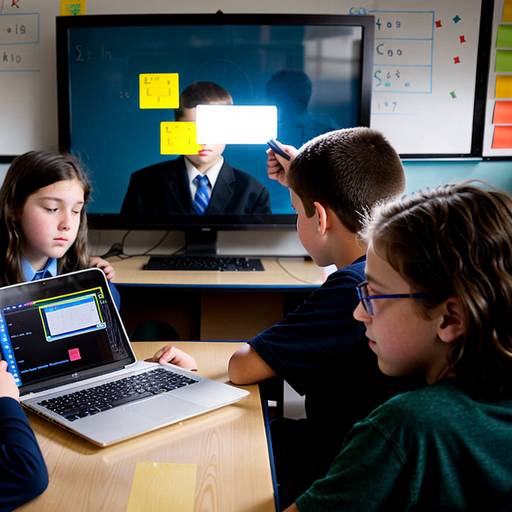
This 5th-grade technology lesson plan introduces students to the fundamentals of coding and programming languages. It begins with a discussion about what coding is and its role in communicating with computers, followed by an exploration of algorithms and their importance in programming. Students engage in a fun activity where they write algorithms for simple tasks, enhancing their understanding of the concept.
The core of the lesson involves a hands-on coding activity where students work in pairs or small groups on a block-based coding platform to create their own projects, such as animated stories or simple games. Throughout this process, they learn how to debug their code and collaborate effectively with peers.
The lesson concludes with presentations where groups share their projects, discussing what they learned and any challenges they faced. This wrap-up reinforces the importance of collaboration in coding and encourages students to reflect on their experiences. Assessment is based on participation, project creativity, and understanding of key concepts, with extensions offered for those interested in further exploration of coding. The lesson aims to empower students with foundational skills in technology and problem-solving.