
Filters
Level
Grade
Subject
Subject Area
Subject Topic
Standard(s)
Audience
Keyword
DurationMinutes
5th Grade Coding Basics Lesson Plans
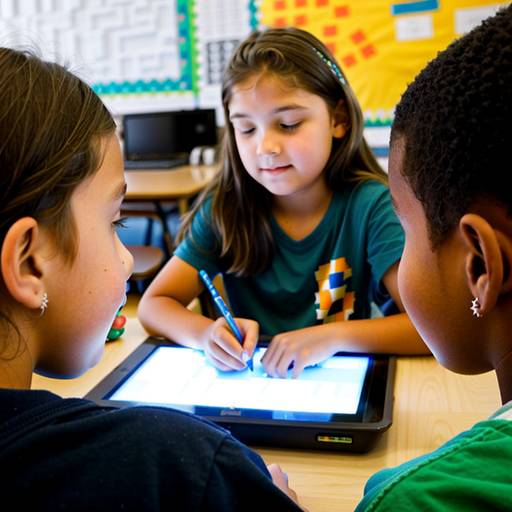
In this 5th-grade technology lesson, students will explore the fundamentals of coding through a hands-on, interactive approach. The lesson begins with a discussion about coding's significance, followed by an introduction to key concepts such as sequences, loops, and conditionals, supplemented by visual aids. Students will then familiarize themselves with a block-based programming platform, where they will create their own interactive projects in pairs. This activity encourages collaboration and practical application of the coding concepts learned. As the lesson concludes, students will share their projects with their classmates, fostering a sense of community and encouraging feedback. The lesson promotes problem-solving skills while igniting interest in computer science, with options for further exploration in future sessions.
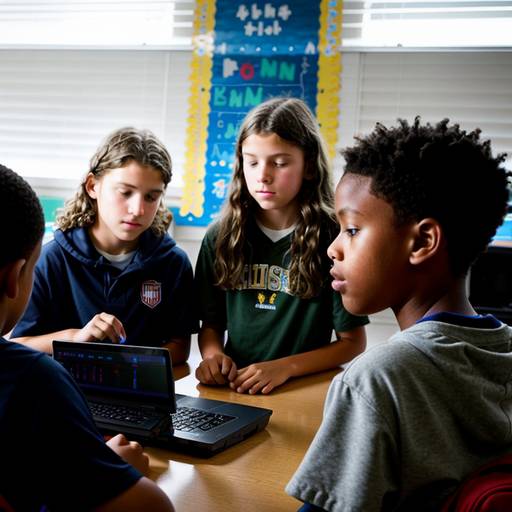
This lesson plan for 5th graders focuses on introducing students to the basics of coding and programming languages. The objective is for students to grasp fundamental concepts, learn about various programming languages, and create simple programs using a block-based coding platform like Scratch or Code.org.
The lesson begins with an engaging video that highlights the significance of coding in everyday technology, followed by a discussion that encourages students to share their experiences with technology. Direct instruction covers essential coding vocabulary, the differences between block-based and text-based programming languages, and types of programming languages.
During guided practice, students participate in a hands-on activity where they create a simple program, allowing them to experiment with different coding blocks. Following this, they engage in a creative challenge, modifying their projects based on what they've learned. The lesson concludes with a wrap-up discussion, prompting students to reflect on their coding experience, the challenges they faced, and the potential applications of coding in their lives.
Assessment is based on observations during activities, participation in discussions, and the completion of their coding projects. Extension activities are suggested to further develop their skills, and opportunities for additional sessions or competitions are proposed to enhance their engagement with coding. Overall, this lesson is designed to spark interest in programming and foster problem-solving skills through interactive learning.
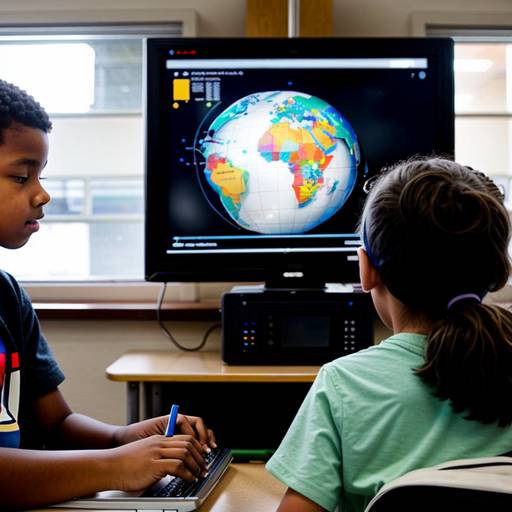
This 5th-grade technology lesson plan introduces students to the basics of coding through engaging activities and hands-on projects. Over two class periods, students will learn key concepts such as sequences, loops, and algorithms using a block-based coding platform like Scratch or Code.org. The lesson begins with a discussion about the importance of coding and a tutorial to familiarize students with the coding interface.
During the second class, students will work in pairs or small groups to brainstorm and create their own coding projects, such as an animated story, game, or interactive art piece, utilizing the concepts they have learned. They will follow a structured project template and present their final creations to the class, allowing them to share their thought processes and coding choices.
Assessment will focus on participation, the completed projects, and the quality of student presentations. Extensions for advanced learners, as well as modifications for those needing additional support, ensure that all students can engage meaningfully with the material. By the end of the lesson, students will have developed foundational coding skills alongside creativity and problem-solving abilities.
This lesson plan for 5th-grade students introduces them to coding basics through engaging, hands-on activities. In the first session, students learn fundamental coding concepts, including key vocabulary such as algorithm, sequence, loop, and condition, while exploring the Scratch programming platform. Under guided practice, they create simple animations, fostering both understanding and creativity.
In the second session, students build on their skills by designing interactive stories or simple games. They begin with brainstorming and storyboarding their ideas, then transition into hands-on coding, where they develop their projects based on their plans. Throughout the lesson, students share their creations with peers for feedback, emphasizing collaboration and reflection. The assessment is based on participation, creativity, and the ability to articulate their coding process. This lesson aims to provide students with foundational coding knowledge while encouraging innovative thinking and problem-solving skills.
The lesson begins with an introduction to key coding concepts such as algorithms, loops, and variables, fostering an understanding of why coding is essential in today's technology-driven world. A live demonstration using the Scratch platform guides students through creating a simple animation, highlighting the fundamental functions and commands available.
Following the demonstration, students participate in a guided activity where they work in pairs to complete their first coding project, practicing the concepts they learned. Once they finish, they brainstorm and outline their unique project ideas on worksheets, encouraging them to think creatively about their coding endeavors.
The session concludes with a recap and an invitation for a few pairs to share their project ideas with the class, reinforcing collaboration and communication skills. Assessment focuses on student engagement and the completion of their worksheets, while extensions offer challenges for early finishers. Overall, the lesson aims to combine technical skills with creativity, preparing students for future coding experiences.
This lesson plan aims to introduce 5th-grade students to the basics of coding and programming languages. Over the course of one hour, students will learn about the significance of coding in everyday life and explore fundamental coding vocabulary, including terms like algorithm and debugging. The lesson begins with an engaging video and a discussion to spark interest in coding's real-world applications.
Following this, the instructor will provide a demonstration of a user-friendly block-based coding platform, showcasing how to create simple programs. Students will then have the opportunity to engage in hands-on practice by creating their own programs to make a character move on the screen and display a greeting. Throughout this activity, students will receive guidance and support as they work collaboratively.
The session will conclude with a recap of key concepts and an opportunity for students to share their work and reflections. An exit ticket will be used to assess students' understanding and lingering questions. The lesson promotes problem-solving, creativity, and critical thinking while laying a foundational understanding of coding, with follow-up activities planned to further develop their skills. Adaptations will be made for varying skill levels to ensure all students can participate meaningfully.

In this 5th-grade technology lesson plan, students will explore the basics of coding and programming languages through engaging discussions and hands-on activities. The lesson begins with an introduction to coding, including key vocabulary terms such as algorithm and debugging. Students will learn about different programming languages, with a particular focus on Scratch, a user-friendly platform for beginners.
The primary activity involves students logging into their Scratch or Code.org accounts to create simple animations or games using block coding. Throughout the activity, they will be encouraged to document their algorithms and troubleshoot any issues they encounter.
To conclude the lesson, students will have the opportunity to showcase their projects to classmates, discussing their learning experiences and the challenges they faced. Assessment will focus on student participation, project creativity, and comprehension of vocabulary. Extensions for advanced learners and adaptations for those needing additional support ensure a tailored learning experience for all students. Overall, the lesson aims to provide students with a foundational understanding of coding while fostering creativity and critical thinking skills.
This 5th-grade technology lesson plan introduces students to the fundamentals of coding and programming languages. It begins with a discussion about what coding is and its role in communicating with computers, followed by an exploration of algorithms and their importance in programming. Students engage in a fun activity where they write algorithms for simple tasks, enhancing their understanding of the concept.
The core of the lesson involves a hands-on coding activity where students work in pairs or small groups on a block-based coding platform to create their own projects, such as animated stories or simple games. Throughout this process, they learn how to debug their code and collaborate effectively with peers.
The lesson concludes with presentations where groups share their projects, discussing what they learned and any challenges they faced. This wrap-up reinforces the importance of collaboration in coding and encourages students to reflect on their experiences. Assessment is based on participation, project creativity, and understanding of key concepts, with extensions offered for those interested in further exploration of coding. The lesson aims to empower students with foundational skills in technology and problem-solving.