
Filters
Level
Grade
Subject
Subject Area
Subject Topic
Standard(s)
Audience
Keyword
DurationMinutes
5th Grade History Lesson Plans


In this 5th-grade social studies lesson, students will explore the concept of timelines and their significance in organizing historical events. The lesson begins with a discussion on the importance of history and a simple introduction to timelines, including key terms such as chronological order, BC, and AD.
Students will work in pairs to arrange selected historical events in chronological order, promoting collaboration and analytical thinking. Following this, individuals will conduct research on a historical period of their choice, creating a personal timeline that highlights at least five significant events, including dates and descriptions.
The lesson culminates in student presentations of their timelines to the class, fostering communication skills and reinforcing their understanding of how events connect through time. Assessment will focus on the accuracy and creativity of the timelines created. Extensions for advanced learners and support for those needing additional help are provided to enhance the learning experience. Reflection on the lesson’s effectiveness will guide future teaching strategies.
In this 5th-grade social studies lesson, students will explore key historical events that have shaped the United States and their significance in contemporary society. The lesson begins with group activities where students select and discuss various historical events, emphasizing their importance. This is followed by class presentations to share insights and a collective discussion on the connections between past and present.
For the second class period, students will research a chosen event in depth and create a visual timeline in collaborative groups. They will organize the events either chronologically or thematically while incorporating creative elements. The lesson culminates in group presentations of the timelines, fostering collaborative learning and reinforcing their understanding of how historical events continue to influence society today. The assessment will focus on participation, group collaboration, and the accuracy and creativity of the final timelines. Modifications and extensions are included to cater to diverse learning needs and enhance student engagement.
In this 5th-grade social studies lesson, students will explore the concept of timelines and their importance in organizing historical events. Beginning with a discussion on the significance of understanding the chronological order of events, the teacher will present examples of historical timelines, highlighting key moments in history.
During guided practice, students will collaboratively create a timeline on the board that includes major events, fostering a better comprehension of historical context. For their independent activity, students will develop their own personal timelines by selecting three significant events from their lives, which they will place in chronological order. They will have the opportunity to share these timelines in small groups, discussing the importance of each event.
The lesson will conclude with some students presenting their timelines to the class, reinforcing the connections between personal experiences and historical narratives. Assessment will be through observation during group sharing and evaluation of personal timelines for creativity and organization. An extension activity invites students to research a historical figure or event to create a themed timeline for display. This engaging lesson allows students to appreciate the interconnectedness of history and their own lives.
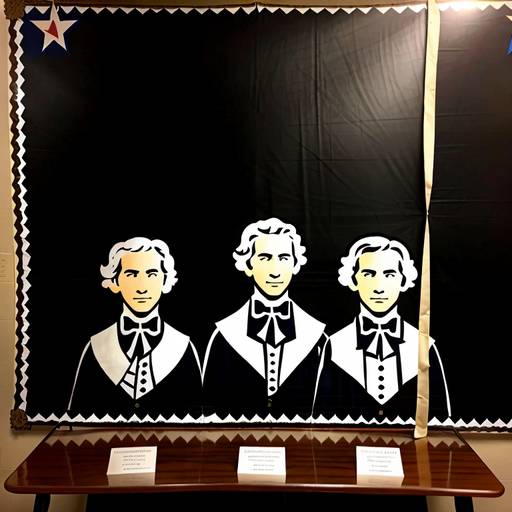
This lesson plan aims to engage 5th-grade students in understanding the events surrounding the American Revolutionary War. The lesson begins with a warm-up discussion, allowing students to share their prior knowledge about the war, followed by a brief animated video that summarizes its significance. Direct instruction focuses on key events leading up to the war, such as the Stamp Act and the Boston Tea Party, as well as important figures like George Washington and Thomas Jefferson.
Students will participate in a collaborative activity where they create visual timelines that illustrate these events and figures, fostering teamwork and creativity. Each group will present their timeline to the class, promoting peer learning. The lesson concludes with a class discussion about the lasting impacts of the Revolutionary War on modern governance and an exit ticket exercise that encourages students to reflect on their learning and express any lingering questions.
Assessment will involve monitoring group activities and evaluating the timelines for comprehension, as well as reviewing the exit tickets. Differentiation strategies include providing additional support for struggling students and challenging advanced learners with research projects. Overall, the lesson is designed to build knowledge of a pivotal moment in American history while developing critical thinking skills.
This lesson plan focuses on teaching 5th-grade students the concept and significance of timelines in both personal and historical contexts. The session begins with a discussion on what timelines are and their importance in organizing events chronologically. Students then participate in a mini-lesson where they learn how to create and interpret timelines, including examples of key historical events.
The core activity involves students creating their own personal timelines, marking at least five significant events in their lives with labels and illustrations. This creative task encourages self-reflection and peer interaction as students discuss their chosen events. As a closing activity, the class engages in a discussion that connects personal experiences to major historical events, reinforcing the relevance of timelines.
To wrap up the lesson, students complete a one-page reflection on their learnings about timelines. The assessment focuses on the completeness and creativity of the personal timelines and the comprehension demonstrated in the reflection. Extensions are offered for advanced learners and those needing additional support, ensuring a comprehensive understanding for all students.
In this 5th-grade social studies lesson, students will explore the lives and contributions of significant American pioneers. The lesson begins with an introduction to the concept of pioneers, followed by group research on specific historical figures such as Davy Crockett, Sacagawea, Harriet Tubman, and Lewis and Clark. Working in small groups, students will gather information from provided biographies and online resources to understand their assigned figure’s major accomplishments, challenges, and impact on the United States.
After researching, each group will create a presentation or poster to summarize their findings, incorporating visual elements to enhance their sharing. Students will then present their work to the class, fostering engagement through questions and discussions. The lesson will conclude with a reflection on the ongoing influence of these pioneers in today’s society. Assessment will focus on group participation and the quality of presentations, while extensions include creative writing activities and a themed day to further immerse students in pioneer history. Differentiation strategies are in place to support diverse learning needs, ensuring an inclusive and enriching experience for all students.
This 5th-grade Social Studies lesson focuses on exploring significant historical figures and their impact on society. Students will engage in a discussion to identify key individuals and learn about their contributions through a brief presentation. They will work in small groups to research a specific historical figure, examining their achievements, challenges, and significance within their historical context. Each group will then create a visual poster to summarize their findings and present it to the class, enhancing their teamwork and public speaking skills. The lesson emphasizes participation, creativity, and reflection, providing opportunities for students to engage meaningfully with history. Extension activities, such as a "History Fair," encourage further exploration and interaction with the material.
This 5th-grade social studies lesson focuses on important events in U.S. history, emphasizing the significance of understanding our heritage and its relevance to contemporary society. Students will explore selected historical events by analyzing primary sources in small groups, discussing the key figures involved, and reflecting on the impact these events have on current life. Each group will present their findings to the class, fostering discussion and engagement. The lesson concludes with students reflecting on their learning through sticky notes and a brief homework assignment, allowing them to connect history to their personal experiences. By participating in this interactive lesson, students will enhance their understanding of American history and develop critical thinking skills.
In this 5th-grade social studies lesson, students will explore the concept of timelines and their importance in understanding historical events. The lesson begins with a class discussion to engage students and introduce the idea of tracking time. Key vocabulary related to timelines will be taught, followed by a guided activity where students work in pairs to place historical events on a timeline.
Students will then have the opportunity to create their own personalized timelines, selecting five significant events from American history to illustrate and describe. This creative project encourages individual expression and reinforces their understanding of chronological order.
The lesson concludes with students sharing their timelines with peers, fostering communication skills and collective learning. Throughout the lesson, assessment will focus on participation, the accuracy of timelines, and a reflective exit ticket to gauge student understanding. Extensions include a digital timeline project for advanced learners and a timeline fair to engage parents. Overall, this lesson promotes critical thinking, collaboration, and creativity while deepening students' appreciation for history.
In this 5th-grade social studies lesson, students will learn about influential American historical figures who made significant contributions through their innovations and leadership. The session begins with a captivating video showcasing transformative inventions, followed by a discussion that encourages students to share their thoughts on how these figures changed the world. A mini-lecture introduces notable innovators such as Thomas Edison, Rosa Parks, Neil Armstrong, and George Washington Carver.
Students will work in small groups, each researching one assigned figure, focusing on their backgrounds, contributions, and impact on society. They will create a poster that highlights key facts, includes an inspiring quote, and features a portrait of the figure. After completing their posters, the class will engage in a gallery walk, where students will present their findings to their classmates.
The lesson concludes with a reflection activity, where students share what they learned about innovation and its importance in history. An optional homework assignment invites students to write about a modern innovator they admire, inspired by the historical figures studied. Throughout the lesson, students will develop critical thinking and teamwork skills while exploring the legacies of these groundbreaking individuals.