
Filters
Level
Grade
Subject
Subject Area
Subject Topic
Standard(s)
Audience
Keyword
DurationMinutes
5th Grade Rules Lesson Plans

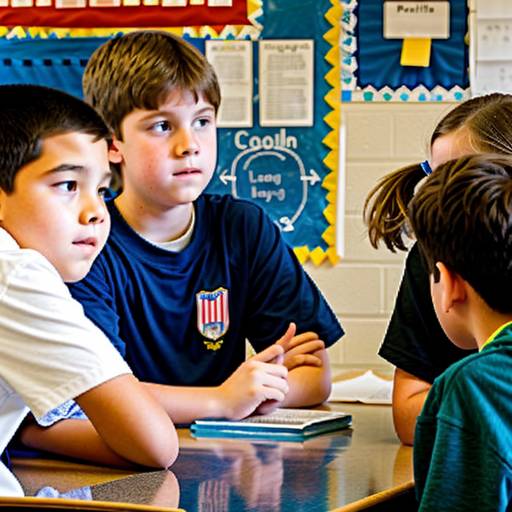
In this 5th-grade social studies lesson, students will explore the concept of community and the importance of rules and responsibilities within it. The lesson begins with a warm-up discussion to define what a community is, followed by a group brainstorm on community rules that promote safety and organization. The teacher will introduce the various types of rules, including local laws, school regulations, and household expectations, while emphasizing the responsibilities that come with following these rules.
Students will engage in a guided group activity to create a list of essential community rules on sticky notes, which they will then share with the class. Following this collaborative effort, each student will work individually or in pairs to design a "Community Rules" poster that illustrates key rules and their importance.
As the lesson concludes, students will reflect on the significance of rules and the feelings associated with following or breaking them. For homework, they will write a paragraph about a rule they adhere to at home and its impact on their family. Assessment will be based on participation, the creativity of the poster, and the written assignment. This lesson aims to foster teamwork, creativity, and public speaking skills in a supportive environment, while deepening students' understanding of community dynamics.
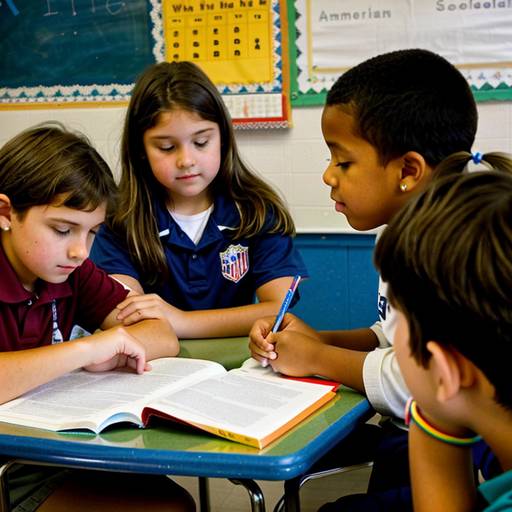
This lesson plan for 5th-grade social studies focuses on helping students understand the significance of rules within a community. Throughout the hour, students will engage in discussions about the purpose of rules and explore specific examples from their own lives, such as traffic regulations and school guidelines. By watching a video or slideshow, they will learn how rules contribute to safety and order.
Students will work in small groups to brainstorm, share, and identify common community rules on sticky notes. They will then collaboratively create a "Community Rules Poster" that features essential rules, illustrations, and explanations. Each group will present their poster to the class, fostering a collaborative learning environment. The lesson wraps up with a reflective writing task, where students express the importance of a particular rule to them personally. Assessment will be based on participation, creativity in the poster, and the completion of the writing assignment. Extensions include community interviews and observation walks to deepen students' understanding of rules in their neighborhoods.