
Filters
Level
Grade
Subject
Subject Area
Subject Topic
Standard(s)
Audience
Keyword
DurationMinutes
5th Grade Roles Lesson Plans

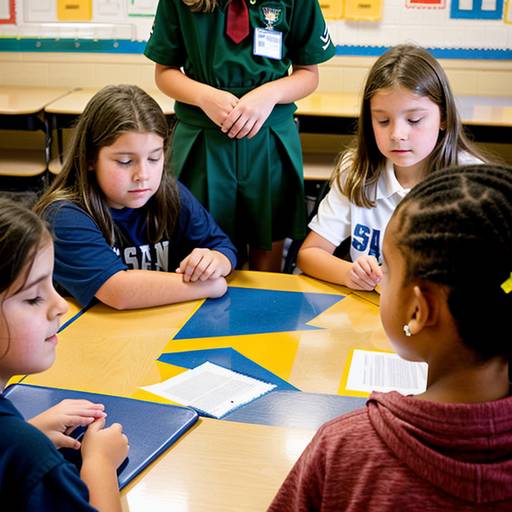
In this fifth-grade social studies lesson, students will explore the concept of community and the various roles individuals play within it. The lesson begins with a class discussion about what defines a community, followed by small group activities where students examine specific roles, such as police officers, teachers, and firefighters, and discuss their responsibilities and contributions. Each group will present their findings to the class, fostering collaboration and communication skills.
Students will then create a visual community collage that highlights the different roles, promoting creativity and teamwork. The lesson concludes with a reflective discussion, encouraging students to share their insights on the importance of community roles and how they can contribute positively to their own communities. Assessment will include observing group participation, reviewing the collages, and collecting exit tickets that capture students' reflections. Extension activities, such as field trips and service projects, will further enhance their understanding and engagement with the community.
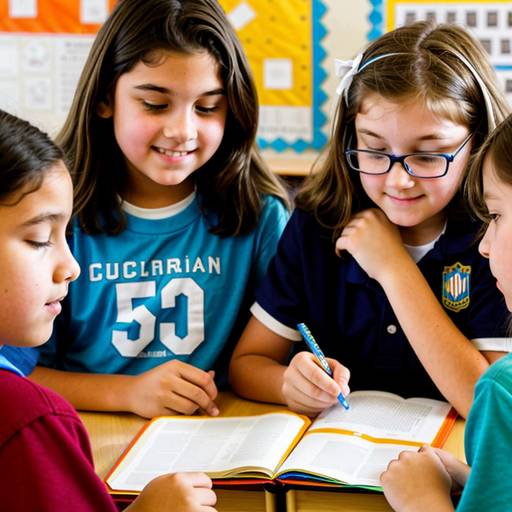
In this 5th-grade social studies lesson, students will explore the concept of community by identifying various roles and responsibilities within it. The lesson begins with a discussion on what constitutes a community and the roles individuals play, followed by a collaborative brainstorming session where students work in small groups to list community roles. After sharing their ideas with the class, students will engage in a discussion highlighting the responsibilities associated with each role.
To reinforce their learning, students will create a visual mural that represents selected community roles, complete with illustrations and descriptions. Groups will present their murals, fostering teamwork and communication skills. The lesson concludes with an assessment of participation and creativity, and opportunities for further engagement through guest speakers or community service projects. This lesson aims to deepen students' understanding of the importance of various roles in the functioning of their community.
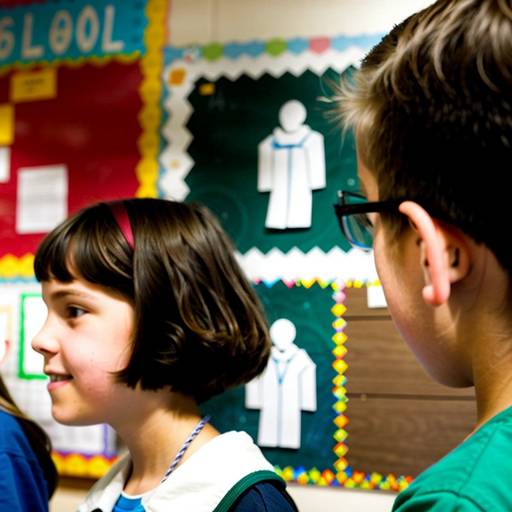
In this 5th-grade social studies lesson, students will explore the various roles within their community and the responsibilities associated with those roles. The lesson begins with a discussion about what a community is, followed by an examination of important community members and their contributions. Students will work in small groups to select a specific community role from provided role cards and brainstorm its associated responsibilities. Each group will create a poster highlighting their chosen role, which they will present to the class. The lesson concludes with a reflective discussion about the importance of these roles and how students can actively engage in their community as responsible citizens. Assessment will be based on group presentations and participation in discussions, with opportunities for extensions and differentiation to support all learners.
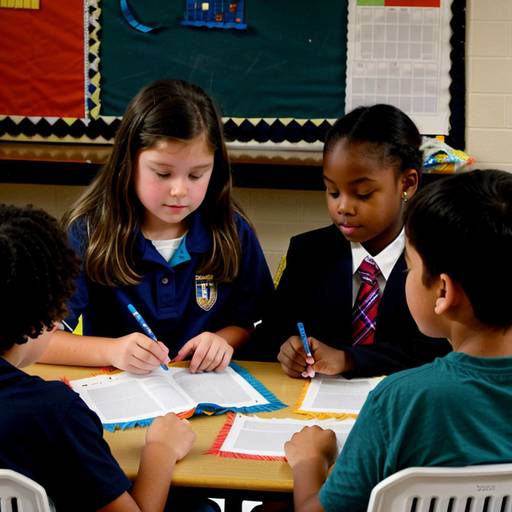
In this 5th-grade social studies lesson, students will explore the various roles within their community and understand the responsibilities associated with each role. The lesson begins with a class discussion that prompts students to identify different roles, such as teachers, firefighters, and city officials, and considers how these roles contribute to community functioning. Following a mini-lecture that provides an overview of key roles and their responsibilities, students will work in small groups to research a specific role assigned to them. They will then create a visual representation, such as a poster or collage, highlighting the importance of their assigned role. The lesson concludes with presentations and a reflection on the significance of community involvement. Assessment will be based on group participation, the quality of visual representations, and involvement in discussions, while extension activities may include inviting community members or organizing field trips to see these roles in action.