
Filters
Level
Grade
Subject
Subject Area
Subject Topic
Standard(s)
Audience
Keyword
DurationMinutes
5th Grade Energy Lesson Plans

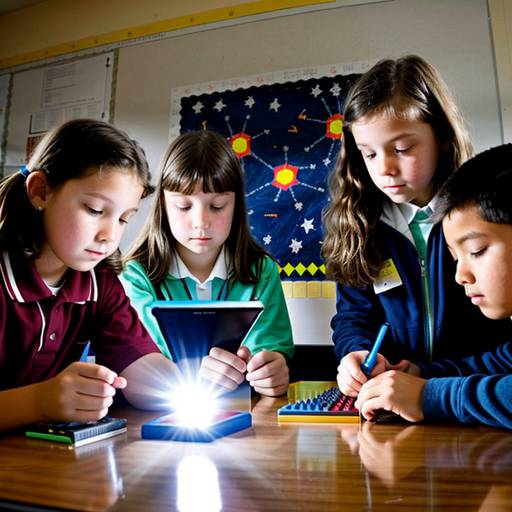
In this 5th grade physical science lesson, students will explore various forms of energy, including kinetic, potential, thermal, and electrical energy, while understanding the concept of energy transformation. The lesson begins with a discussion on the importance of energy in daily life, followed by an overview of different energy types.
Students will engage in hands-on experiments that allow them to witness energy transformation. First, they will use balloons and ramps to observe how potential energy converts to kinetic energy. Then, they will create a simple electrical circuit with light bulbs to explore how electrical energy can be transformed into thermal and light energy.
Following the experiments, the class will engage in a group discussion, sharing their observations and summarizing key points about energy transformation. Students will also be tasked with identifying examples of energy transformation in their own lives for further reflection in their science journals.
Assessment will involve observation of student participation in discussions and experiments, along with reviewing worksheets and homework assignments to gauge understanding. Extension activities will encourage creativity and exploration in energy applications. The lesson concludes with a reflection on student engagement and understanding to inform future instruction.
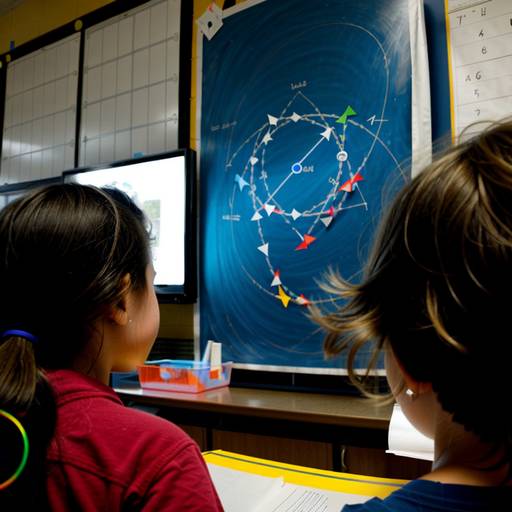
In this 5th grade science lesson, students will explore the concepts of energy, force, and motion. They will learn about potential and kinetic energy through discussions and demonstrations, reinforcing how energy is transformed and transferred. Students will work in small groups to conduct a hands-on experiment involving ramps and toy cars. They will measure the height of the ramp, launch the toy cars using rubber bands, and record data on the distance traveled and time taken. This activity encourages collaboration and critical thinking as students analyze their findings and discuss the relationships between height, energy, and speed. The lesson wraps up with a review of the data and concepts learned, alongside an assessment that includes worksheets and an exit ticket to gauge individual understanding. Extensions and additional resources are provided to reinforce learning for all students.