
Filters
Level
Grade
Subject
Subject Area
Subject Topic
Standard(s)
Audience
Keyword
DurationMinutes
5th Grade Human Body Lesson Plans


In this engaging 5th-grade science lesson, students will explore the major systems of the human body, including the skeletal, muscular, circulatory, respiratory, digestive, and nervous systems. The lesson begins with a captivating video to spark interest, followed by a comprehensive presentation that outlines the function of each body system and emphasizes their interconnections.
Students will then work in small groups to create models of their assigned systems using various materials, fostering teamwork and creativity. Each group will present their model to the class, explaining its function and how it interacts with other systems. The lesson concludes with a reflective discussion on what surprised students about the human body. Assessment will focus on participation, understanding, and the creativity of group projects, while extensions may include a homework assignment or a potential field trip for further learning.

In this 5th-grade life science lesson, students will explore the major systems of the human body, including the skeletal, muscular, circulatory, respiratory, digestive, and nervous systems. The lesson begins with a brief introduction and engaging video to spark curiosity. Students will learn about each body's system and its functions using diagrams and, if available, a skeleton model for visual support.
After instruction, students will work in small groups, each assigned a specific body system. They will research, create a informative poster, and prepare a presentation that includes diagrams and interesting facts about their system. Each group will present their findings to the class, promoting peer learning and discussion.
The lesson concludes with a recap of the systems and their roles in maintaining homeostasis. Students will have a fun homework assignment involving a crossword puzzle that reinforces the concepts covered during the lesson. Assessment will be based on participation, group presentations, and homework completion. Modifications and extensions are available for different learning needs, including a potential field trip or guest speaker to enhance the educational experience. Overall, the lesson aims to deepen students' understanding of human anatomy and its relevance to health.
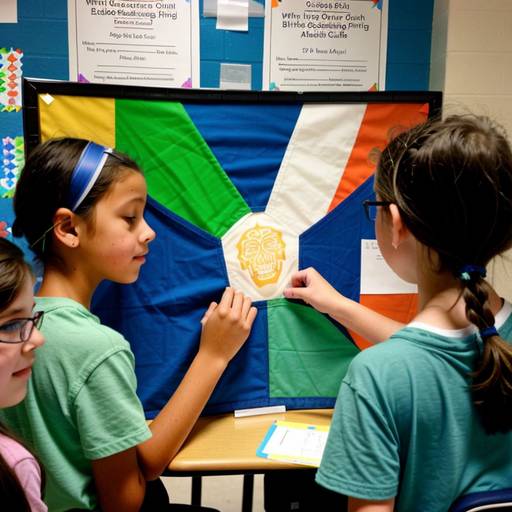
The lesson plan focuses on introducing 5th-grade students to the major systems of the human body, specifically the circulatory, respiratory, muscular, and skeletal systems. Over the course of 60 minutes, students will engage in a variety of activities aimed at understanding how these systems function and work together to maintain health and homeostasis.
The lesson begins with a video introduction followed by a class discussion to activate prior knowledge. Direct instruction includes an overview of each system, illustrated with diagrams to enhance comprehension. Students then break into small groups to create posters highlighting the functions, parts, and interesting aspects of their assigned body system.
Hands-on activities enable students to experience the systems in action, such as using balloons to represent lungs in the respiratory system or straws to simulate blood flow in the circulatory system. The class concludes with group presentations and a discussion summarizing key concepts learned.
Assessment methods include evaluating group posters, reviewing individual handouts, and observing student participation during discussions and activities. Extensions of the lesson encourage further research on diseases related to body systems, while accommodations ensure that all students can effectively participate and learn. The overall goal is to foster engagement with life science and provide a foundational understanding of human biology.

This 5th-grade life science lesson focuses on the major systems of the human body, including the circulatory, respiratory, digestive, and skeletal systems. Students will begin by engaging in a discussion about what they already know, followed by direct instruction using an interactive poster to introduce each system and its key functions. They will then work in small groups to create informative posters highlighting the organs and functions of their assigned body system, incorporating creativity and collaboration. Each group will present their findings to the class, fostering discussion and questions to enhance understanding. The lesson concludes with a reflection on the interconnectedness of the body systems and the opportunity for students to share new facts they learned. Assessment will include evaluating group participation and poster content, along with an exit ticket to gauge individual understanding. Accommodations will be made to support diverse learning needs, ensuring accessibility for all students while promoting curiosity and comprehension of the human body.