
Filters
Level
Grade
Subject
Subject Area
Subject Topic
Standard(s)
Audience
Keyword
DurationMinutes
5th Grade Harmony Lesson Plans

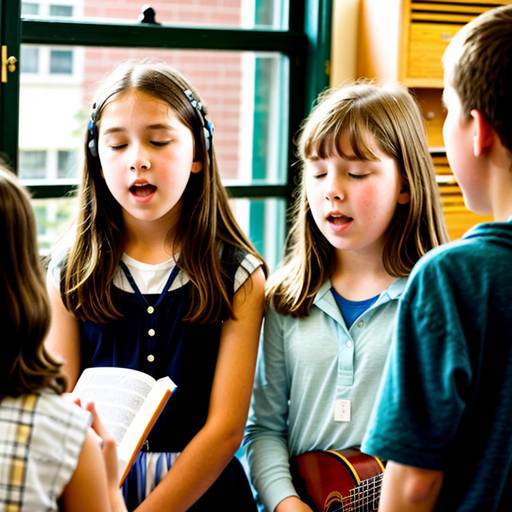
In this 5th-grade music lesson, students will explore the concepts of singing and harmony. The session begins with an introduction to the importance of singing and a basic explanation of harmony and unison. After a vocal warm-up, students will learn a simple song, “Twinkle, Twinkle, Little Star,” focusing on singing it in unison. Once comfortable, they will be introduced to basic harmony parts and practice singing in both unison and harmony in groups.
Students will then break into small groups to create their own harmonies for a familiar melody, fostering creativity and collaboration. Each group will present their unique harmonized versions to the class, allowing for positive feedback and reflection on the experience. The lesson emphasizes teamwork, musical development, and appreciation for the role of harmony in music, culminating in an engaging and interactive atmosphere. Optional extensions encourage further exploration of harmony in well-known songs and the use of recording technology.

In this 60-minute music lesson for 5th graders, students will explore the concept of harmony through singing and collaborative activities. The lesson begins with an engaging discussion about harmony in music, followed by vocal warm-up exercises to enhance their listening and singing skills. Students will learn a two-part song, first practicing the melody and harmony separately before coming together to perform as a unified group. Later, they will work in small groups to create their own simple harmonies for familiar tunes, encouraging creativity and teamwork. The session concludes with performances of their compositions and a discussion on the importance of collaboration in music. Participation, ability to sing their assigned parts, and creativity in the group activity will serve as assessment criteria. Adaptations will be made to support all learners, ensuring a comprehensive and inclusive music experience.

In this 60-minute music lesson for 5th graders, students will explore the concept of harmony through interactive activities and group singing. The lesson begins with an introduction to harmony, prompting students to share examples of songs that feature harmonization. Following a vocal warm-up that includes practicing scales and intervals, students will listen to recordings of harmonious songs, discussing their feelings and observations about the different vocal parts.
Students will then be divided into two groups, with one group learning the melody and the other practicing the harmony of a simple, familiar song. Through collaborative practice, they will receive guidance on blending their voices and supporting each other musically. The lesson will culminate in a performance where the entire class sings together, with opportunities for students to take leadership roles in either the melody or harmony.
The session wraps up with a discussion on their experiences and insights regarding harmony, supported by an exit ticket assessment to reflect on what they learned and enjoyed. Extensions to the lesson encourage further exploration and sharing of harmonious songs at home, enriching their musical understanding and engagement.

In this 5th Grade music lesson, students will explore the concept of harmony in singing. The session begins with a brief discussion about harmony and its emotional impact when multiple voices blend together. After a vocal warm-up to build confidence, students will participate in a listening exercise to identify harmonies in various musical pieces. The class will then be divided into groups to learn and practice different vocal parts of a selected song, fostering teamwork and collaboration. The lesson concludes with a reflection on their experiences and a final performance of the song, showcasing their ability to sing in harmony. Assessment will focus on student engagement and performance quality, while extensions may include exploring additional songs and arranging a performance for an audience.