
Filters
Level
Grade
Subject
Subject Area
Subject Topic
Standard(s)
Audience
Keyword
DurationMinutes
5th Grade Musical Styles Lesson Plans

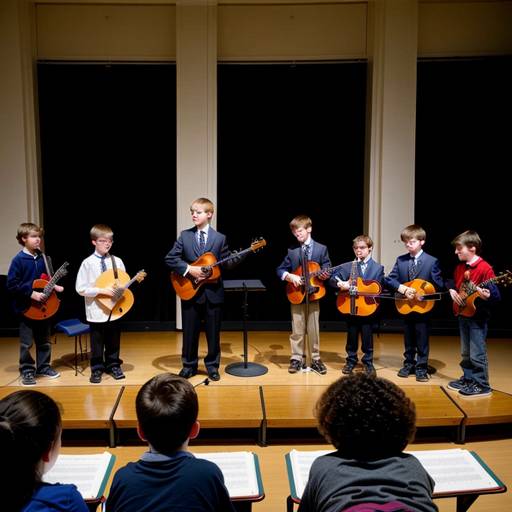
In this engaging 5th-grade music lesson, students will delve into various musical styles and their historical significance. They will explore genres such as Classical, Jazz, Rock, and Folk through listening activities that highlight key instruments, emotions, and influential composers.
After an introduction to the concept of musical styles, students will work in small groups to research their assigned genre, focusing on its characteristics, notable artists, and historical context. Each group will prepare a brief presentation to share their discoveries with the class.
Additionally, students will create a visual representation of their musical style, such as a poster or a song, to enhance their understanding and creativity. The lesson concludes with group presentations, fostering discussion about music's role in reflecting society and its evolution over time. Students will be assessed on participation, collaboration, and the quality of their presentations. Extensions and adaptations are provided to cater to diverse learning needs, ensuring an inclusive and enriching experience.
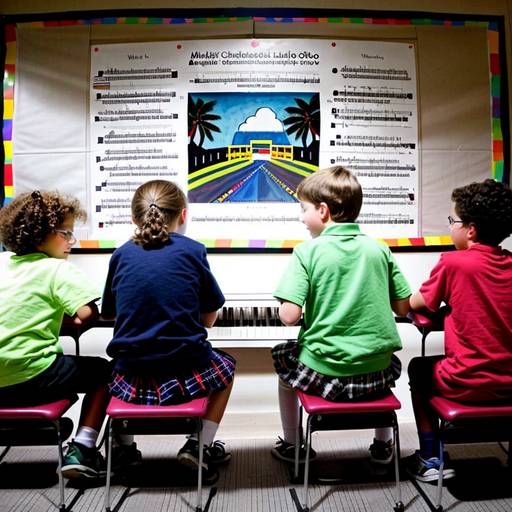
In this 5th-grade music lesson plan, students will explore various musical eras and styles, enhancing their understanding of music history. Over two class periods, they will start with an introduction to different musical eras, such as Baroque, Classical, Romantic, and 20th Century genres like Jazz, Rock, and Hip Hop. The lesson begins with a discussion about the significance of music and includes listening activities where students identify characteristics of each era through audio samples.
In small groups, students will research their assigned musical era, focusing on key composers, instruments, and defining features. They will present their findings to the class, using creative visual aids and audio demonstrations. Following the presentations, students will collaboratively create a visual timeline of music history that highlights important dates, musicians, and significant pieces from each era.
The lesson concludes with a class discussion reflecting on the connections between music and historical events and a brief writing task where students express which musical era resonates with them the most. Optional extended activities may include dressing up and performing music from their assigned era or analyzing modern songs for influences from historical styles. Assessment will be based on participation, presentation quality, and the creativity of the timeline project.