
Filters
Level
Grade
Subject
Subject Area
Subject Topic
Standard(s)
Audience
Keyword
DurationMinutes
5th Grade Time Lesson Plans

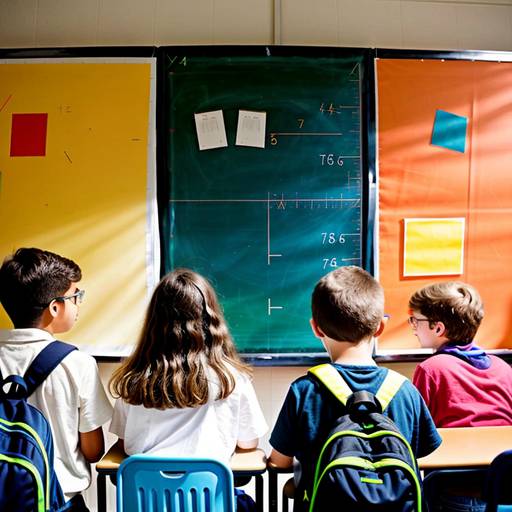
This lesson plan focuses on teaching 5th-grade students the fundamentals of measurement, specifically length and time. It begins with a warm-up discussion that highlights the importance of measurement in everyday life. Students learn about different units of length (inches, feet, meters) and how to read both analog and digital clocks. They engage in a hands-on measurement station activity, where they work in small groups to measure various classroom objects and use stopwatches to time simple tasks. Independent practice involves completing a worksheet that requires them to measure items and record the time taken for activities. The lesson concludes with a class review where students share their observations and reflect on the relevance of measurement in real-life situations. Assessment is conducted through observation during group work and by checking worksheet responses. The plan also offers extensions for further exploration and differentiation strategies to support diverse learners. Finally, it suggests a follow-up lesson to introduce area and volume, allowing students to build on their understanding of measurement.
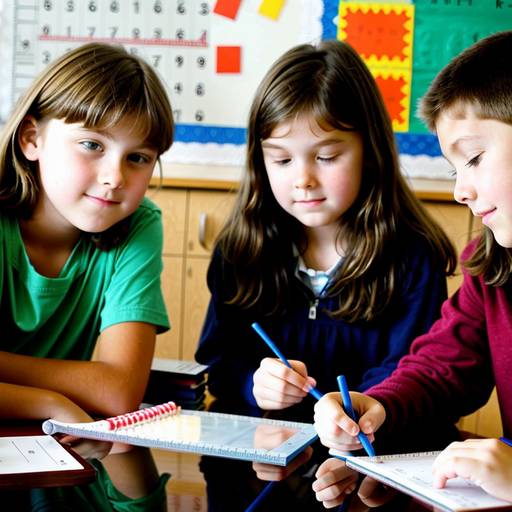
This lesson plan focuses on teaching 5th-grade students the concepts of length measurement and telling time. It begins with an introduction to the importance of measurement in everyday life and the introduction of key vocabulary. Students participate in direct instruction that covers the use of measurement tools and the differences between standard and metric units, as well as how to read analog and digital clocks.
During guided practice, students work in small groups to measure classroom objects using both metric and standard units and practice timing activities with a stopwatch. The lesson includes an outdoor measurement scavenger hunt where students measure various objects and time a simple obstacle course.
To conclude, students gather for a review and discuss real-life applications of their newly acquired measurement skills. They will also complete a reflection assignment at home to deepen their understanding. The lesson incorporates hands-on activities, teamwork, and practical applications, ensuring an engaging and effective learning experience in measurement and time. Assessment is based on the accuracy of measurements, participation in activities, and reflection on real-life situations involving measurement. Modifications are included to support diverse learners and challenge advanced students.
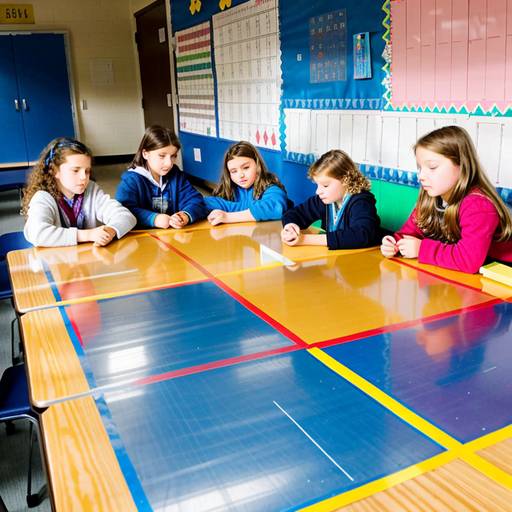
In this 5th-grade math lesson, students will explore the concepts of measurement, focusing on time and distance. The lesson begins with a discussion about the importance of measurement in daily life, followed by an introduction to key units for measuring time (seconds, minutes, hours) and distance (inches, feet, meters, kilometers), including how to convert between these units.
Students will engage in guided practice by measuring various classroom objects using rulers, measuring tapes, and string. They will then record their findings and practice conversions as a group activity. This will be followed by an independent practice session where students complete a worksheet with problems that require them to convert units of time and solve distance-related word problems.
The lesson concludes with a class discussion to review answers, address any questions, and reflect on the importance of measurement and time in everyday life. Assessment will occur through observation during activities and through evaluation of the completed worksheets. Differentiation options are provided to support varying skill levels, and an extension activity is available for early finishers, allowing for additional application of the concepts learned. This interactive and collaborative approach enhances student understanding and engagement with the topic.