
Filters
Level
Grade
Subject
Subject Area
Subject Topic
Standard(s)
Audience
Keyword
DurationMinutes
5th Grade Length Lesson Plans

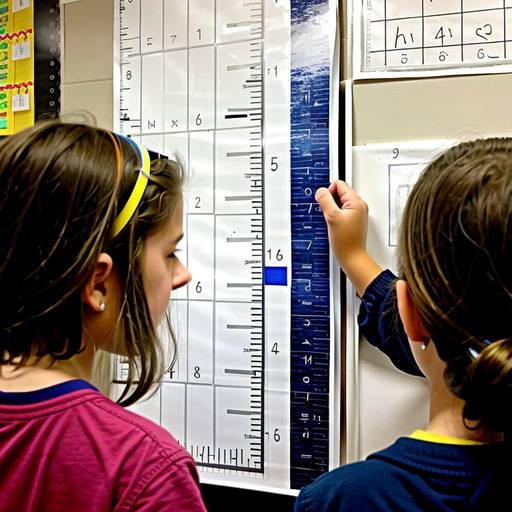
This 5th-grade math lesson focuses on the concept of measurement and length, emphasizing its real-world applications. Students will understand how to measure using standard units—specifically inches, feet, centimeters, and meters—and practice converting between these units. The lesson begins with a discussion on the importance of measurement in everyday life, followed by a demonstration of measuring techniques.
Students will engage in a hands-on activity where they work in small groups to measure various classroom objects and record their findings on a worksheet, including unit conversions. The class will then reconvene to discuss their measurements and any challenges they encountered. To conclude, a short quiz or exit ticket will assess their understanding of the material covered. This lesson aims to reinforce measurement skills while fostering collaboration and real-life connection to mathematics.
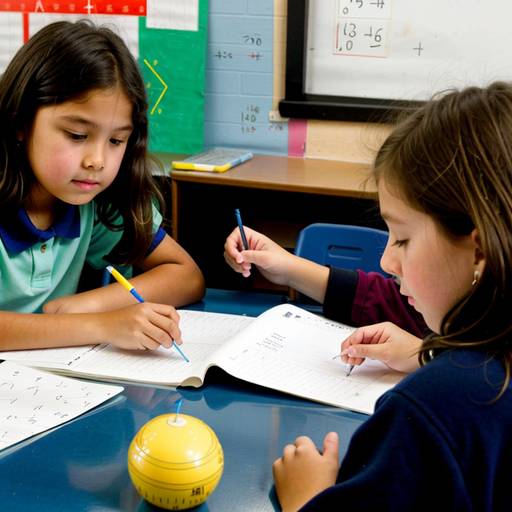
In this 5th-grade math lesson, students will explore the concepts of measurement and length through an engaging and hands-on approach. The activity begins with a storytelling element, introducing students to the significance of measurement in everyday life. Instruction will include demonstrations on how to accurately use rulers and measuring tapes, as well as discussions on standard units of measurement and unit conversions.
Students will then participate in a guided practice activity, where they will measure various classroom objects using both inches and centimeters, recording their findings on worksheets. They will apply what they have learned by converting measurements and solving related problems.
To reinforce their understanding, students will complete an independent practice worksheet that includes measurement problems and a word problem that requires them to apply their skills. The lesson will conclude with students sharing their measurement discoveries and reflecting on their learning experiences. Assessment will be based on the worksheets and participation in activities.
Overall, this lesson promotes hands-on learning, collaboration, and critical thinking through the exploration of measurement.
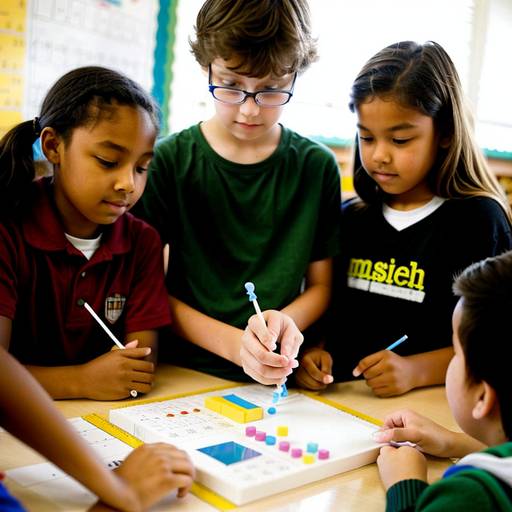
In this 5th-grade math lesson focused on measurement and length, students will learn to measure various objects using standard units like inches, feet, centimeters, and meters. The session begins with a discussion on the importance of measurement in everyday life and a demonstration of measurement tools. Students will engage in an estimation activity, predicting the lengths of classroom objects, followed by a hands-on measurement activity in small groups where they will measure the actual lengths and compare them to their estimates. A class discussion will allow students to reflect on their findings and understand the discrepancies between estimation and actual measurements. The lesson concludes with a summary of key concepts and an assignment for students to measure objects at home, further reinforcing their learning. Through observation and worksheet review, teachers will assess student understanding, while differentiation strategies will support varied learners and extend challenges for advanced students.
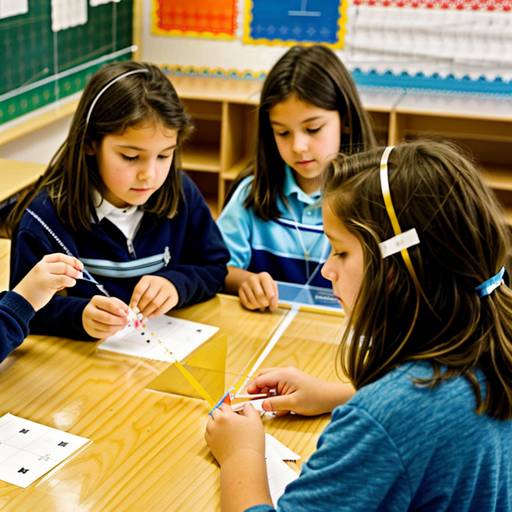
This 5th-grade math lesson focuses on measurement and length, guiding students to understand and apply the concepts of measuring using standard units like inches and centimeters. The lesson begins with an engaging discussion about the importance of measurement in daily life, followed by a demonstration on how to properly use rulers and tape measures. Students participate in group activities where they measure various objects, record their findings, and convert measurements between inches and centimeters. Throughout the lesson, they practice reading measurements, work collaboratively to create data charts, and ultimately generate line plots to display their measurements. The session concludes with a review of key learnings and an exit ticket exercise to assess understanding and address any questions. Differentiation strategies are included to support diverse learning needs, ensuring all students engage meaningfully with the concepts of measurement in a hands-on environment.