
Filters
Level
Grade
Subject
Subject Area
Subject Topic
Standard(s)
Audience
Keyword
DurationMinutes
5th Grade Narrative Writing Lesson Plans

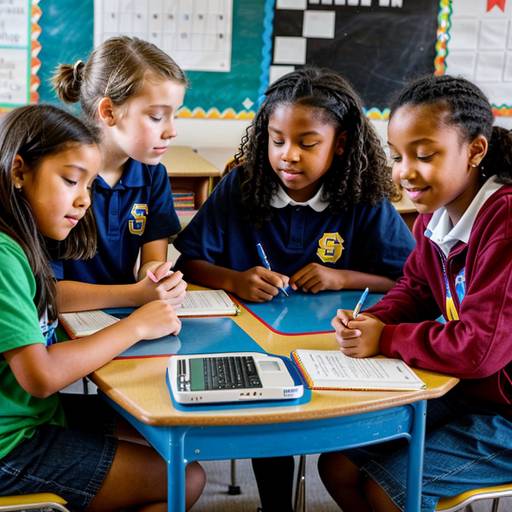
In this 5th-grade language arts lesson plan, students will explore the elements of narrative writing, which include characters, setting, plot, conflict, and resolution. The lesson begins with a warm-up activity where students share memorable personal events with a partner, leading to a class discussion on what makes these moments impactful.
The teacher then introduces the key components of narrative writing by analyzing an example narrative, guiding students to identify its elements. Students will learn to plan their own narratives using a graphic organizer, where they outline their chosen event's details. After completing the organizer, students will share their ideas with a partner for feedback.
Next, students will draft a rough version of their personal narratives in their notebooks, focusing on incorporating sensory details and emotions to engage their readers. The lesson concludes with a wrap-up discussion, where students can share excerpts from their narratives. Assessment will involve monitoring participation, collecting graphic organizers and drafts, and providing feedback on their use of narrative structure and clarity. Extensions and adaptations will be offered to meet diverse learning needs.
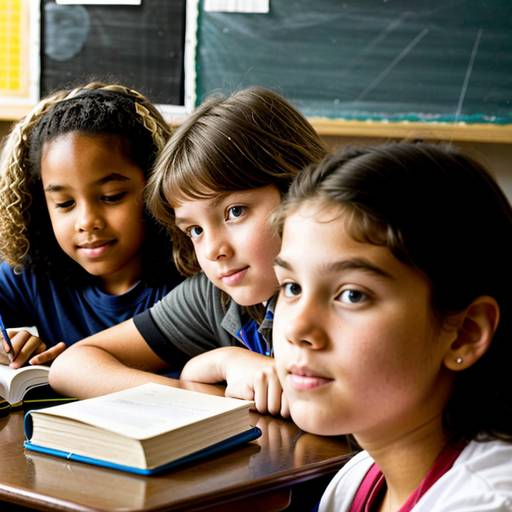
This lesson plan focuses on introducing 5th-grade students to the elements of narrative writing. It begins with a discussion about beloved stories, highlighting key components such as characters, setting, plot, conflict, and resolution. Through a mini-lesson, students analyze excerpts from narrative texts to understand how descriptive language enhances storytelling.
In small groups, students brainstorm ideas for their own narratives, addressing character, setting, and conflict. They then independently craft a narrative story in their writing journals, utilizing the narrative elements discussed. The lesson concludes with students sharing their stories with the class, fostering peer feedback and a deeper appreciation for storytelling. Assessment will include observation of participation and review of students' narratives for the application of narrative elements and descriptive language. Extensions and differentiation strategies are provided to support various learning needs, encouraging creativity and collaboration in writing.