
Filters
Level
Grade
Subject
Subject Area
Subject Topic
Standard(s)
Audience
Keyword
DurationMinutes
5th Grade Creative Writing Lesson Plans


This 5th-grade language arts lesson focuses on creative writing, where students will craft their own short stories featuring a hero and an adventure. The lesson begins with an engaging discussion on favorite story characters, highlighting the characteristics that define heroes. Students are introduced to key story elements—such as plot, setting, characters, conflict, and resolution—through a handout and a model reading.
They will collaboratively brainstorm a list of potential heroes and adventures, which they can use for their stories. Students will then create an outline based on their selected hero and adventure, incorporating feedback from peers to strengthen their ideas. After outlining, students will embark on the writing process, using descriptive language to develop their narratives and employing dialogue to enhance character development.
The lesson concludes with a few students sharing excerpts from their drafts with the class, promoting a sense of community and celebration of creativity. Ongoing assessment will occur through observation and evaluation of the stories, with differentiated support provided as needed. An optional extension allows students to illustrate their stories or write sequels, deepening their engagement with the writing process.
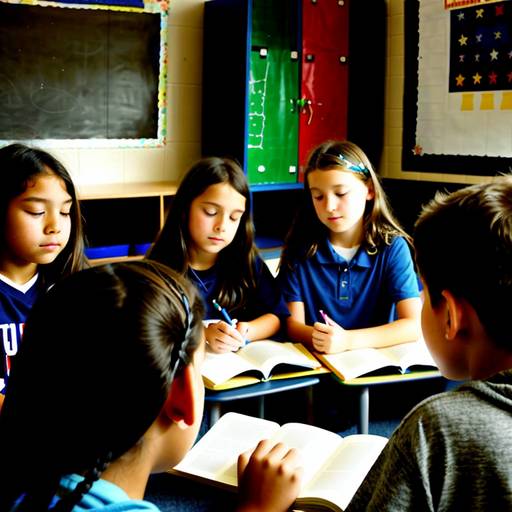
In this 5th-grade language arts lesson plan, students will engage in creative writing by crafting their own imaginative stories based on provided prompts. The lesson begins with a discussion about creativity in storytelling, highlighting memorable elements from their favorite books and movies. A mini-lesson focuses on the use of descriptive language and sensory details to enhance writing, along with the importance of character and setting development.
After the instruction, students will spend time writing a short story while incorporating their newfound knowledge about description and detail. To foster collaboration, students will then share their stories with a partner, providing feedback to one another. The lesson concludes with a group sharing session, where some students may read their stories aloud to the class, followed by a reflection on the writing process. Assessment will be based on participation, the creativity of the written work, and the effective use of descriptive language. Extensions include displaying student work and organizing a storytelling event to further celebrate their creativity.
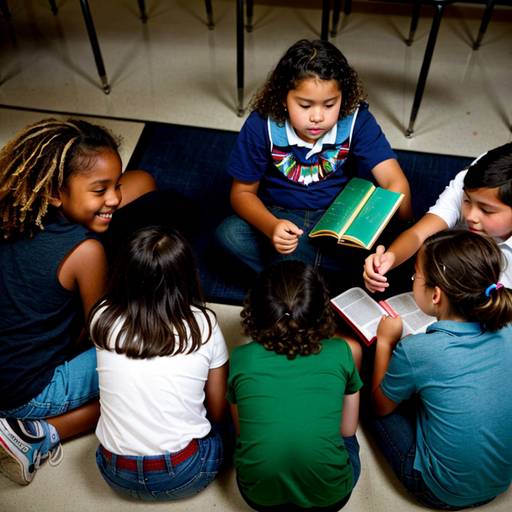
This lesson plan focuses on enhancing 5th-grade students' writing and creative expression through personal narratives. The two-class session begins with an introduction to storytelling and the value of personal experiences. Students engage in brainstorming activities using graphic organizers to outline their memories, identifying key elements such as setting, characters, emotions, and events. They then write their narratives, incorporating descriptive language to enrich their storytelling.
In the following class, the emphasis shifts to revising their work through peer review, where students provide and receive constructive feedback. They create illustrations to complement their narratives and prepare for sharing their stories with the class, practicing public speaking skills in a supportive environment. The lesson culminates with students presenting their narratives, fostering connections and engagement among peers. Overall, the plan emphasizes writing development, creativity, and collaboration while encouraging students to reflect on the significance of their personal experiences.
In this 5th-grade language arts lesson, students will explore the elements of storytelling as they create their own imaginative stories. The lesson begins with a discussion on the components of a good story, followed by a read-aloud of an engaging excerpt. Students will participate in brainstorming and outline activities, developing characters, settings, and plotlines using a structured template. After collaborating with a partner to refine their ideas, each student will independently draft their story in their journals, focusing on using descriptive language. The lesson concludes with a sharing session where students can present their ideas and favorite excerpts to the class. Assessment will involve reviewing the story templates and drafts to provide feedback on creativity and storytelling elements. Extension activities will involve illustrating scenes from their stories, and differentiation will accommodate varying skill levels among students.