
Filters
Level
Grade
Subject
Subject Area
Subject Topic
Standard(s)
Audience
Keyword
DurationMinutes
5th Grade Painting Lesson Plans

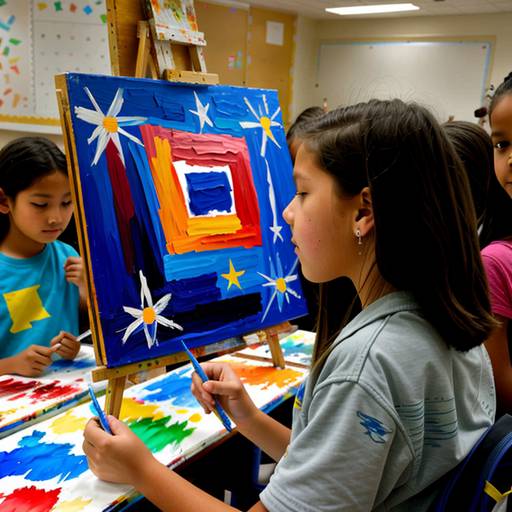
In this 5th-grade art lesson, students will explore various painting techniques to create imaginative landscapes. Over two class periods, they will gain an understanding of methods such as wet-on-wet, dry brush, sponging, and splattering. The first class will involve a discussion about different techniques, a demonstration, and time for students to sketch their landscape ideas. In the second class, they will paint their landscapes using at least three of the techniques learned, encouraging creativity and experimentation. Students will share their artwork with peers, discussing their processes and inspirations. The lesson aims to enhance their understanding of texture, color mixing, and artistic expression while fostering engagement and collaboration. Assessment will focus on their application of techniques, creativity, and effort, with opportunities for extensions and adaptations to meet diverse learning needs.
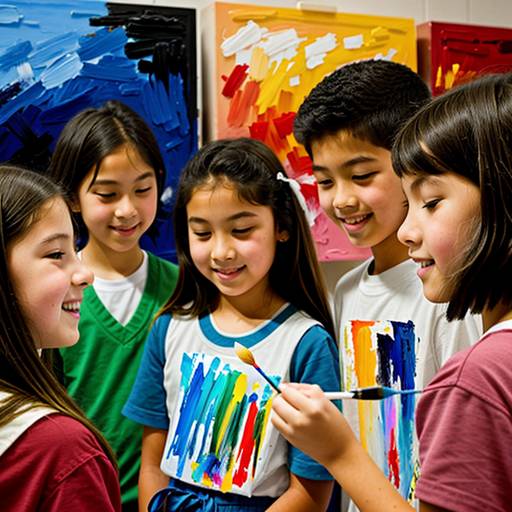
In this 5th-grade art lesson, students will explore various painting techniques using brushes to deepen their understanding of color mixing and application methods. The lesson begins with a discussion of the importance of different brush techniques in art, accompanied by visual examples. In a demonstration, the teacher will showcase techniques like using flat brushes for broad strokes, round brushes for detail, stippling for texture, and fan brushes for effects such as foliage or clouds.
Following the demonstration, students will practice these techniques on small pieces of paper, experimenting with color mixing and brush strokes while receiving guidance from the teacher. Once they’ve gained confidence, students will create their own paintings, incorporating at least three different brush techniques. They will choose a theme that inspires them, and the final artworks will encourage personal expression and creativity.
The lesson concludes with a sharing session where students present their paintings and discuss the techniques utilized and the emotions they aimed to convey. Students will be assessed on their participation, technique application, creativity, and effort. Extensions may include collaborative projects or writing reflections on their artwork, further enhancing their learning experience.
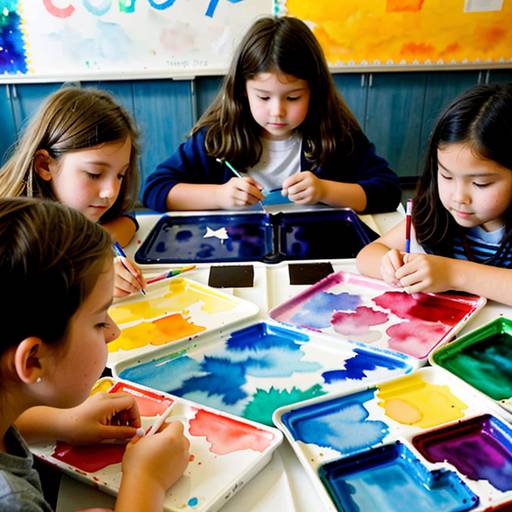
In this 5th-grade art lesson, students will explore the use of watercolor painting techniques inspired by nature. The class will begin with a discussion on watercolor as a medium and an overview of various techniques, including wet-on-wet, wet-on-dry, and methods for creating textures using salt and plastic wrap. Following a demonstration, students will sketch inspiration images from nature on their watercolor paper and apply the techniques learned to create their own artworks. As they work independently, the teacher will provide guidance and support. The lesson will conclude with a mini gallery walk, where students share their creations and the techniques they used. Assessment will focus on the application of techniques, creativity, and participation, with opportunities for extension through additional projects and exploration of famous watercolor artists.
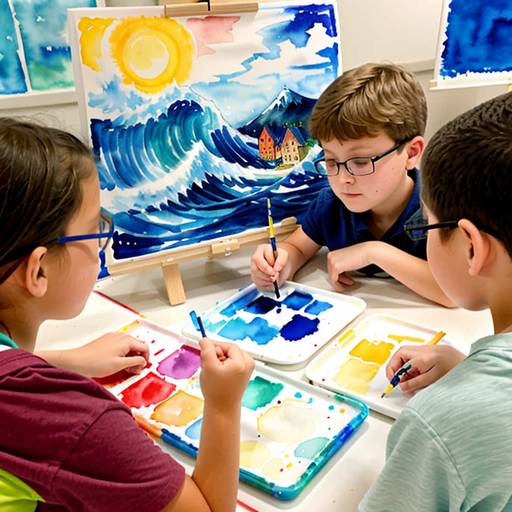
This 5th-grade art lesson focuses on exploring various watercolor techniques while encouraging creativity and self-expression. Over two class periods, students will learn and practice techniques such as wet-on-wet, wet-on-dry, and dry brush. By observing and discussing famous watercolor artworks, they will gain insight into the medium's history and applications.
In the first session, a demonstration will highlight each technique, followed by guided practice where students can experiment with colors and techniques on their own. After sharing their experiences in small groups, students will prepare to create their own final artwork.
In the second session, students will sketch their ideas and then paint their compositions using at least two techniques learned. After completing their artworks, a gallery walk will allow them to showcase their creations and provide feedback to peers. The lesson concludes with a reflection, discussing challenges faced and insights gained throughout the process.
Assessment will focus on their application of techniques and overall creativity, while optional extensions may include researching famous watercolor artists or collaborating on a class mural. The lesson aims to enhance students' artistic skills and foster a deeper appreciation for watercolor painting.