
Filters
Level
Grade
Subject
Subject Area
Subject Topic
Standard(s)
Audience
Keyword
DurationMinutes
5th Grade Art Techniques Lesson Plans

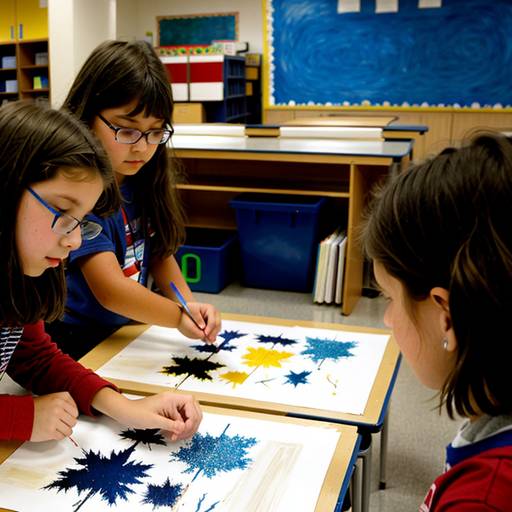
In this 5th-grade art lesson, students explore the exciting techniques of printmaking, specifically monoprinting and relief printing. Over two class sessions, they begin by learning about the history and applications of printmaking through discussion and visual examples. The teacher demonstrates both techniques, guiding students in planning their own unique designs. In the second session, students create their prints using the techniques learned, experimenting with color and texture. The lesson culminates in a gallery walk where students showcase their artwork and articulate their creative process. The assessment focuses on participation, creativity, and understanding of the techniques, while differentiation strategies provide support to diverse learners. Overall, this engaging lesson fosters artistic expression and critical thinking in a hands-on environment.
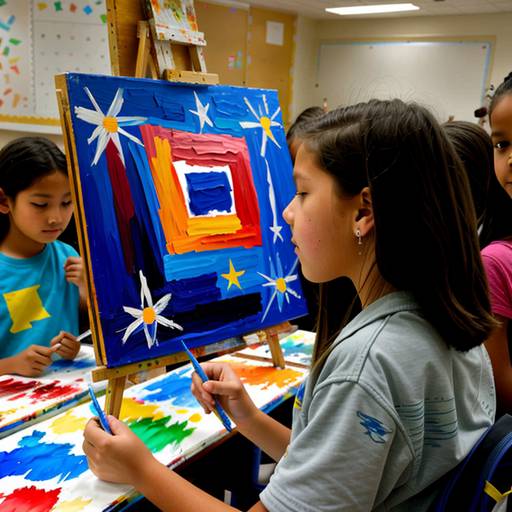
In this 5th-grade art lesson, students will explore various painting techniques to create imaginative landscapes. Over two class periods, they will gain an understanding of methods such as wet-on-wet, dry brush, sponging, and splattering. The first class will involve a discussion about different techniques, a demonstration, and time for students to sketch their landscape ideas. In the second class, they will paint their landscapes using at least three of the techniques learned, encouraging creativity and experimentation. Students will share their artwork with peers, discussing their processes and inspirations. The lesson aims to enhance their understanding of texture, color mixing, and artistic expression while fostering engagement and collaboration. Assessment will focus on their application of techniques, creativity, and effort, with opportunities for extensions and adaptations to meet diverse learning needs.
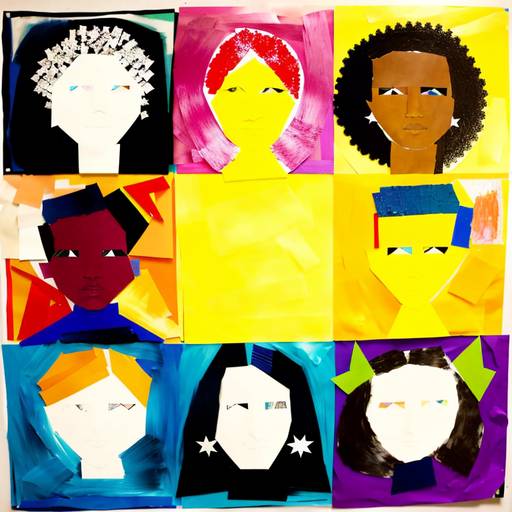
In this 5th-grade art lesson, students will explore the techniques of collage and mixed media as they create their own artistic compositions. The lesson spans two class periods, beginning with an introduction to collage art, featuring examples of famous artists and discussions about various materials and methods. Students will practice cutting, layering, and arranging different items while brainstorming a theme for their collages, such as nature or family.
During the second class, students will use their gathered materials to create their collages on a larger background paper, focusing on composition, color, and texture. They will also reflect on their work through written descriptions and presentations to the class, sharing their artistic choices, themes, and inspiration.
Assessment will be based on participation, creativity, and the final collage's ability to convey the theme effectively. Extensions to the lesson may include digital collage creation and showcasing students' work in a display. Overall, this lesson aims to cultivate creativity and self-expression while introducing important art techniques and concepts.
In this two-day art lesson plan for 5th graders, students will explore various drawing techniques, focusing on contour lines, shading, and color theory while developing their observational skills. On the first day, they will engage in warm-up exercises to practice contour drawing with real objects and experiment with different shading techniques. Additionally, the lesson will introduce basic color theory, highlighting how colors can influence character design and emotions.
For the second day, students will create their own unique characters, drawing inspiration from their favorite books, cartoons, or video games. They will incorporate the techniques learned, refining their character's design by adding details and personality traits. Students will have the opportunity to share their work with peers, receiving feedback and reflecting on their artistic process. The lesson emphasizes creativity, technique application, and collaboration while fostering a supportive environment for artistic growth.
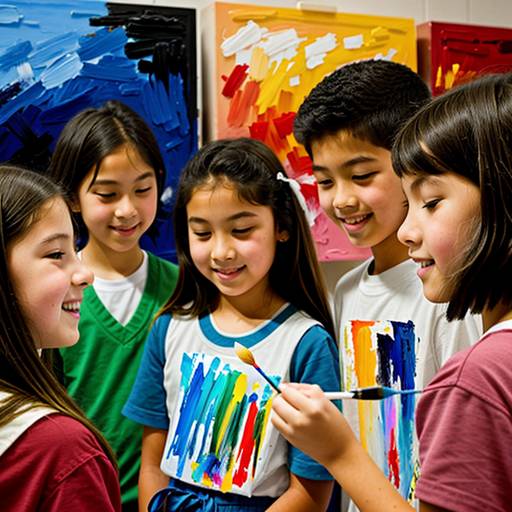
In this 5th-grade art lesson, students will explore various painting techniques using brushes to deepen their understanding of color mixing and application methods. The lesson begins with a discussion of the importance of different brush techniques in art, accompanied by visual examples. In a demonstration, the teacher will showcase techniques like using flat brushes for broad strokes, round brushes for detail, stippling for texture, and fan brushes for effects such as foliage or clouds.
Following the demonstration, students will practice these techniques on small pieces of paper, experimenting with color mixing and brush strokes while receiving guidance from the teacher. Once they’ve gained confidence, students will create their own paintings, incorporating at least three different brush techniques. They will choose a theme that inspires them, and the final artworks will encourage personal expression and creativity.
The lesson concludes with a sharing session where students present their paintings and discuss the techniques utilized and the emotions they aimed to convey. Students will be assessed on their participation, technique application, creativity, and effort. Extensions may include collaborative projects or writing reflections on their artwork, further enhancing their learning experience.
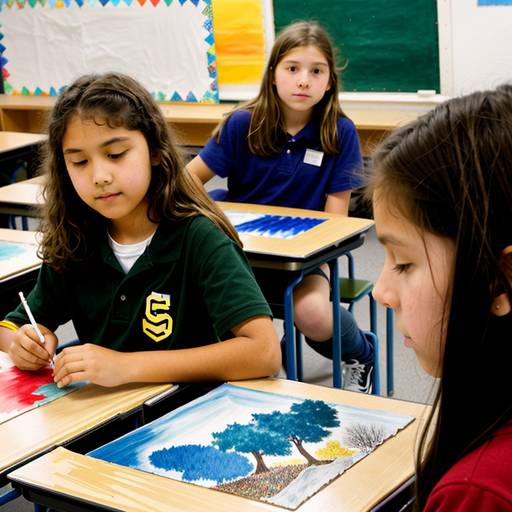
This 5th-grade art lesson introduces students to the techniques and processes of printmaking, engaging them in both creative and hands-on activities. The lesson begins with a discussion about the history and significance of printmaking, complemented by the exploration of various techniques such as relief printing and monoprinting. Students will create designs on paper and then transfer these to foam or Styrofoam materials to carve their prints.
In the second class, they will learn the printing process, applying ink to their carved plates and making impressions on newsprint or construction paper. The lesson culminates in a presentation where students showcase their prints and share their creative inspirations, while classmates provide feedback. Through this experience, students will develop their artistic skills, gain an understanding of printmaking, and create unique works of art to reflect their creativity and personal expression. The lesson also offers opportunities for extensions, allowing for integration with other subjects and encouraging students to explore themes in their artwork.
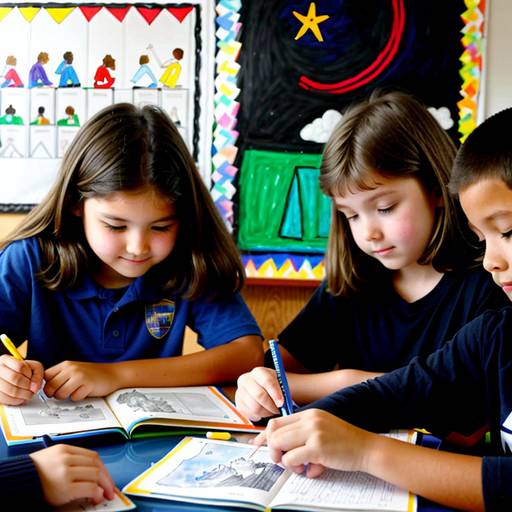
In this 5th-grade art lesson, students will explore the concepts of value and shading to create depth in their drawings. The lesson begins with an introduction to the principles of light and shadow using examples from famous artworks to illustrate how artists achieve dimension. Following this, students will engage in guided practice by drawing simple objects while focusing on the effect of light on form using a value scale. After gaining confidence, they will create their own compositions featuring at least three objects, applying their understanding of shading techniques to enhance depth. The lesson concludes with a gallery walk where students can showcase their artwork, discuss their experiences, and reflect on their learning. Assessment will be based on their application of shading, creativity, and participation. The lesson also includes opportunities for extensions, such as experimenting with colored pencils or drawing from still-life arrangements.
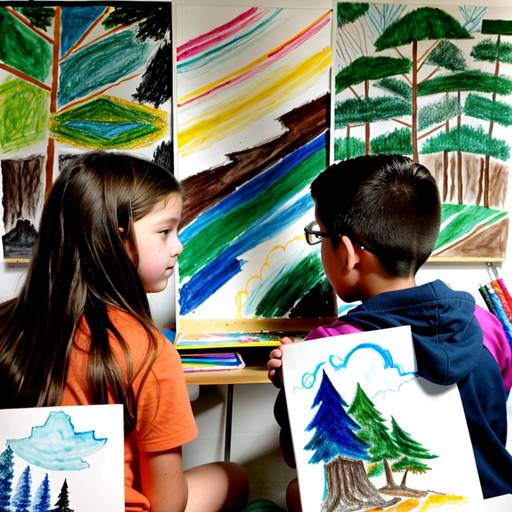
In this 5th-grade art lesson, students will explore drawing techniques by focusing on various lines and textures found in nature. The lesson begins with a discussion on different types of lines and textures, accompanied by reference images for inspiration. Following a demonstration of line techniques such as hatching, cross-hatching, and stippling, students will engage in guided practice, sketching outlines of their chosen natural elements while incorporating these techniques.
Once they've practiced, students will independently create a final artwork, utilizing varied lines and textures to enhance their drawing. Afterward, they will have the opportunity to share their work in a gallery-style presentation, fostering discussion about their artistic processes and discoveries. The lesson includes clean-up time and emphasizes creativity and personal expression through the use of diverse drawing methods. Assessment will be based on the application of techniques and the originality of their artwork, with accommodations available to ensure all students can participate fully. Extensions include creating additional drawings at home and organizing nature walks for further inspiration.
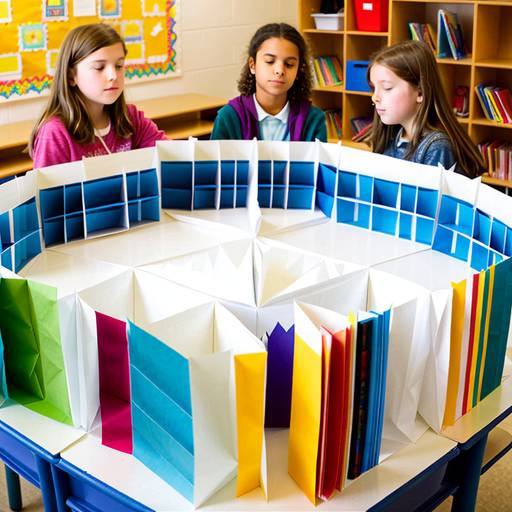
In this 5th grade art lesson, students will explore the art of collage by creating layered compositions that express a theme or tell a story. The lesson begins with a discussion about what collage is, including examples from famous artists and an overview of essential elements such as layering, texture, and composition.
Students will then observe a demonstration on basic collage techniques, followed by a brainstorming session to select their themes. Using a variety of materials, including colored paper, textured elements, and drawing supplies, they will craft their individual collages, applying the techniques learned.
Once the collages are complete, students will engage in a reflection and critique session where they share their work with peers. This culminates in a class gallery walk, allowing students to display their creations and provide feedback to one another. The lesson wraps up with a discussion on the techniques used and an optional homework assignment to enhance their collages or incorporate a narrative element. Assessment will focus on creativity, effort, and the ability to communicate their themes effectively. Extension activities may include writing a short story that complements their visual art.
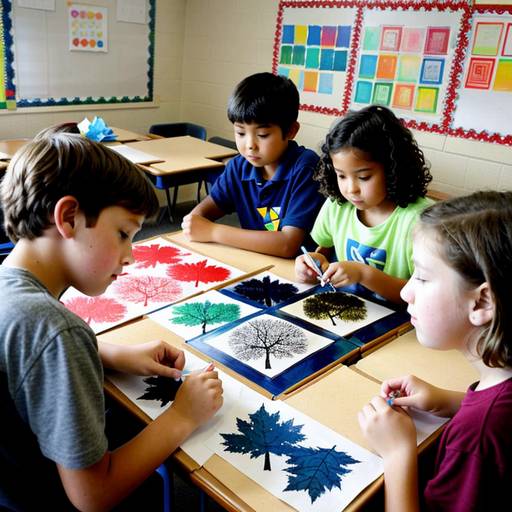
This art lesson for 5th graders focuses on the techniques of printmaking, specifically through the creation of stamps. Over two class periods, students will first learn about the history and various methods of printmaking through discussion and visual examples. They will then design their own unique stamps using foam sheets or potato halves, applying safe crafting techniques. In the second session, students will execute their designs by creating prints on heavyweight paper with water-based acrylic paints, experimenting with colors and layering. The lesson concludes with a reflection session where students share their creations and display their artwork in a classroom gallery. Assessment will be based on participation, creativity, and the ability to articulate their artistic process. Extensions of the project could include larger scale prints or integrating digital design elements.