
Filters
Level
Grade
Subject
Subject Area
Subject Topic
Standard(s)
Audience
Keyword
DurationMinutes
5th Grade Art Periods Lesson Plans

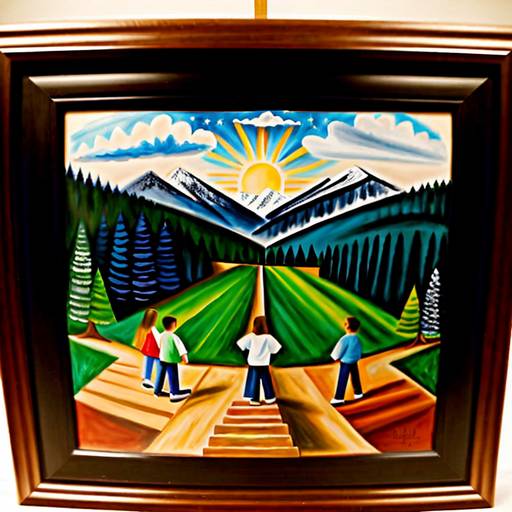
In this two-day art lesson, 5th-grade students will explore various art periods, including Prehistoric, Ancient, Renaissance, and Modern Art. The first class will focus on introducing key characteristics and historical contexts through a slideshow presentation and group discussions, allowing students to examine and analyze works from each period.
During the second class, students will create their own art pieces inspired by a chosen period, employing techniques and styles they’ve learned. They will have the opportunity to present their artwork to their classmates, explaining the influence of their selected period on their creative choices. Assessment will focus on participation, completion of artwork, and the quality of presentations. Extension activities may include a mini-exhibit of their work or research on specific artists. This lesson aims to enhance students' appreciation for art history while encouraging creativity and artistic expression.
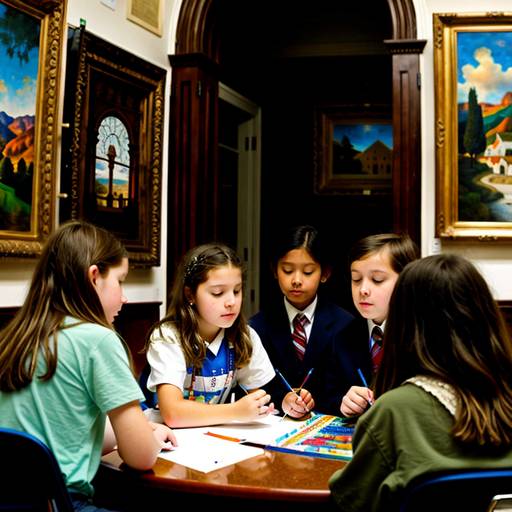
In this 5th-grade lesson, students explore various art periods and their significance in art history. The lesson begins with an introduction to the concept of art history, followed by group research where students investigate specific art movements such as the Renaissance, Impressionism, and Abstract art. Each group presents their findings, discussing key artists and their contributions, supported by visual examples of iconic artworks.
In the second class, students create their own pieces of art inspired by the period they found the most intriguing, applying relevant techniques and styles. They then participate in a gallery walk to showcase their artwork and discuss their creative processes. This lesson encourages students to engage in art history while fostering their artistic skills and personal expression. Reflection on their learning journey and the connections between art and everyday life further enriches the experience. Assessment is based on participation, creativity in their artwork, and reflections on their learning outcomes.