
Filters
Level
Grade
Subject
Subject Area
Subject Topic
Standard(s)
Audience
Keyword
DurationMinutes
4th Grade Programming Robots Lesson Plans
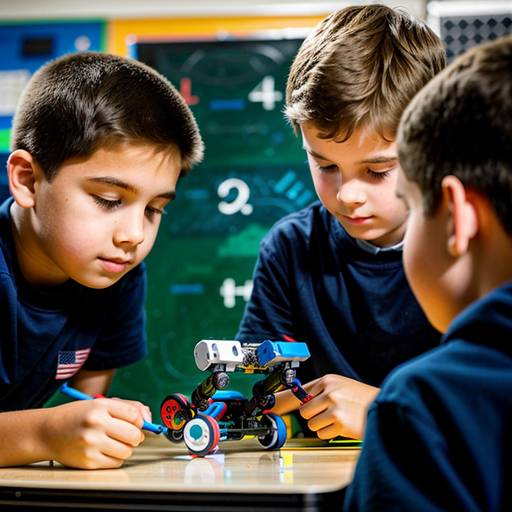
In this 4th Grade technology lesson, students will explore the fundamentals of robotics and programming through hands-on activities. They will start by discussing what robots are and identifying their components such as sensors and motors. Working in small groups, students will brainstorm, design, and build their own robots using provided kits and craft materials, focusing on a specific task their robot will perform.
Once their robots are constructed, students will learn to program their devices using basic coding commands to control movements and actions. The lesson culminates in a testing phase where students will demonstrate their robots' functionality, troubleshoot any issues, and reflect on their experiences. By the end of the lesson, students will have gained collaborative skills, problem-solving techniques, and foundational knowledge in robotics and programming.
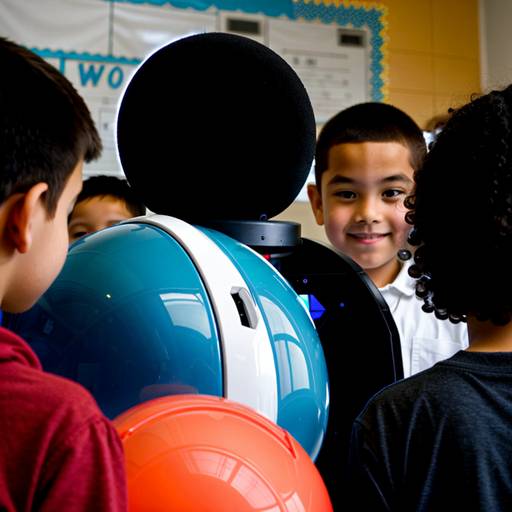
In this 4th-grade technology lesson, students will explore the fundamentals of robotics and programming by working with various types of robots. The lesson begins with an engaging discussion about robots in everyday life and progresses to an introduction of the components that make up a robot and the basics of block-based programming.
Students will be divided into small teams, where they will create an obstacle course and program their robots to navigate through it using the programming software. Through hands-on experimentation, they will test their programs, make observations, and iterate on their designs to overcome challenges.
At the end of the lesson, students will share their experiences and learnings, reflecting on what they found effective and what they would like to explore further. Assessment will involve observing group collaboration and participation, as well as having students write an exit ticket summarizing their insights and questions. The lesson encourages critical thinking, creativity, and teamwork, laying a solid foundation for future exploration in robotics and programming concepts.

In this engaging 4th-grade technology lesson, students explore the fundamentals of robotics and programming through hands-on activities. Pairs of students work together to build simple robots using a robotics kit, learning about key components such as sensors and motors. After constructing their robots, they dive into a programming software to create basic commands that control their robots' movements.
The class sets up an obstacle course where students test their robots, adjusting their programming to overcome challenges successfully. Throughout the lesson, valuable skills such as collaboration, problem-solving, and critical thinking are emphasized as students navigate obstacles and share their experiences. The session culminates in a reflection, where students discuss their learnings, fostering a deeper understanding of robotics and its applications. Extensions include more complex programming challenges and a showcase event, promoting further exploration of technology.
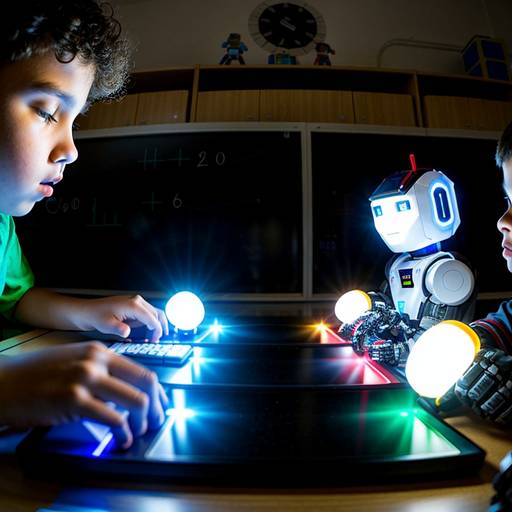
This lesson plan is designed for 4th-grade students and spans three class sessions focused on robotics and programming. It begins with an introduction to robotics, helping students understand what robots are and their various applications in the real world. Students learn basic programming concepts through hands-on activities using visual programming languages, which prepares them for building and programming their own robots in subsequent sessions.
In the second session, students collaborate in small groups to design and build their robots based on a specific task challenge, emphasizing teamwork and communication skills. The final session emphasizes programming, where students apply their programming knowledge to code their robots to perform the tasks they envisioned.
The culminating activity features a friendly competition, showcasing each group’s robot and its capabilities. This plan integrates problem-solving, creativity, and collaboration, while also providing opportunities for student reflection and assessment of their understanding of robotics and programming. Extensions for interested students include optional after-school club meetings and sharing their projects with a broader community.