
Filters
Level
Grade
Subject
Subject Area
Subject Topic
Standard(s)
Audience
Keyword
DurationMinutes
4th Grade Photo Editing Lesson Plans
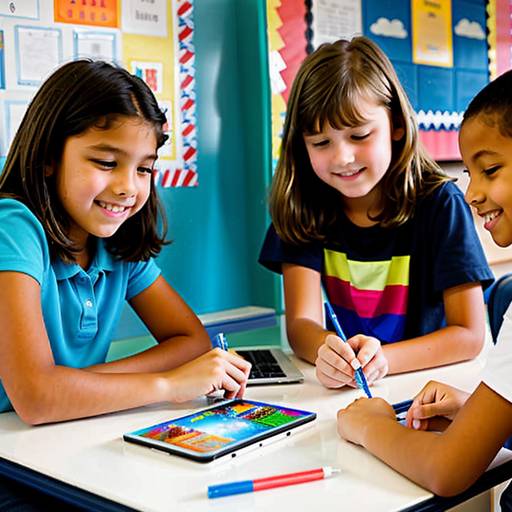
In this 4th-grade technology lesson, students will explore the basics of multimedia creation and photo editing. They will learn to combine images, text, and sounds to tell a story effectively. The lesson begins with an introduction to multimedia and a demonstration of photo editing software and multimedia tools. Students will then participate in a hands-on activity, working in pairs to create a simple multimedia project based on a chosen theme. They will edit photos, add text, and optionally incorporate sound, resulting in a presentation that showcases their creativity. The session concludes with a sharing segment where selected groups will present their projects to the class. Assessment will focus on participation, effort, and the overall quality of the completed projects, with opportunities for extensions and adaptations to meet diverse learning needs.
In this technology lesson for 4th graders, students will learn to create a digital storybook by integrating multimedia elements such as images, text, and narration. The lesson is divided into two days. On the first day, students are introduced to the concept of multimedia and basic photo editing techniques, allowing them to practice editing sample photos. They will then brainstorm and outline their story ideas, focusing on narrative structure.
On the second day, students will select and edit their images, which they will use to create a storybook page using presentation software. They will learn to import images, add text to convey their narratives, and experiment with layout and design elements. The lesson concludes with a sharing session, where students reflect on their experiences and what they learned about multimedia creation and digital citizenship. Assessment will be based on creativity, use of photo editing techniques, narrative clarity, and responsible image usage. Extensions and modifications are provided to accommodate different learning levels.
The first day begins with an introduction to multimedia components, followed by a demonstration of basic photo editing tools. Students are then given hands-on practice to edit sample images, promoting engagement and skill development.
On the second day, students apply their newly acquired skills to create a short visual story. They select and edit images, write accompanying text, and combine these elements into a multimedia presentation. The lesson concludes with students sharing their projects with the class, fostering collaboration and public speaking skills. Assessment is based on creativity, clarity, and effective use of multimedia elements, while extensions allow for further engagement through sharing projects with families and incorporating audio components. Overall, this lesson promotes creativity and digital literacy in an interactive learning environment.
In this lesson, 4th-grade students will engage in multimedia creation and photo editing by developing a digital collage that narrates a story or conveys a message. The lesson spans two class periods, during which students will first explore basic functions of photo editing software through demonstrations and hands-on practice. They will brainstorm and plan their creative projects, selecting images and texts that reflect their ideas. In the second session, students will create their collages using the skills they've learned, followed by presentations to their classmates explaining their artistic choices and storytelling. This activity not only enhances their technical skills in digital editing but also promotes creativity, communication, and collaboration. Assessment will include observing student participation, evaluating planning worksheets, and using a rubric for the final projects to ensure a comprehensive understanding of the concepts.