
Filters
Level
Grade
Subject
Subject Area
Subject Topic
Standard(s)
Audience
Keyword
DurationMinutes
4th Grade Internet Skills Lesson Plans
In this 4th-grade technology lesson, students will explore essential internet skills and the concept of netiquette. The lesson begins with an engaging discussion on kindness in online interactions, transitioning into direct instruction on basic internet navigation and important online etiquette rules. Students will participate in small groups to discuss various scenarios related to digital communication, applying their understanding of netiquette. Each student will then practice their skills by posting positive comments on a collaborative platform. The class will conclude with a discussion about what they learned and an exit ticket activity where each student will identify one way they plan to practice respectful online behavior moving forward. This lesson not only enhances their technical abilities but also encourages responsible interactions in the digital world.

This lesson plan is designed for 4th-grade students to help them develop essential internet skills and understand the principles of proper online behavior, or netiquette. The lesson begins with an interactive discussion about digital citizenship, encouraging students to share their experiences with the internet. It then focuses on teaching effective search techniques, such as using keywords and evaluating the reliability of sources, through guided practice.
Next, students receive handouts detailing netiquette guidelines and engage in discussions about appropriate and inappropriate online behavior, reinforced by role-playing activities. They then participate in a group activity where they evaluate various online scenarios, determining which reflect good netiquette and which need improvement.
The lesson concludes with a recap of the key concepts learned, encouraging students to apply these skills both in school and at home. Assessment is done through informal observations during discussions and the collection of worksheets. Extensions include creating a classroom "Netiquette Poster" and potentially establishing a class blog for further practice. The overall aim is to equip students with the skills and understanding necessary to navigate the online world responsibly and respectfully.

This 4th-grade technology lesson focuses on developing students' internet skills and email etiquette, aiming to foster responsible online interactions. The session begins with a discussion about online preferences and the importance of safe behavior while communicating digitally. Students learn about internet safety practices, such as protecting personal information and engaging respectfully online, illustrated via a brief video or presentation.
The lesson then transitions to email etiquette, highlighting the structure of a formal email, including the subject line, greeting, body, closing, and signature. Students receive a handout with etiquette tips and collaboratively review a sample email.
In a hands-on activity, students will practice composing an introductory email to their teacher, ensuring they apply the proper structure and polite language discussed earlier. The lesson concludes with a reflection on the importance of these skills in both personal and academic contexts. Assessment is informal, based on observation and the quality of the emails sent. Extensions include creating digital posters summarizing the learned concepts and engaging in peer-to-peer email exchanges. This lesson ultimately equips students with essential skills for navigating online communication effectively.
This 4th-grade technology lesson focuses on teaching students essential internet skills and effective online research techniques. The lesson aims to empower students to search for information using search engines, refine their queries, and evaluate the credibility of their sources. It begins with an engaging discussion about online research, followed by direct instruction on utilizing search engines and identifying reliable websites. Students are then encouraged to engage in a guided research activity, where they answer provided questions, take organized notes using a structured template, and share their findings with the class. The lesson incorporates hands-on practice, promotes collaboration among students, and emphasizes the significance of using trustworthy sources. Through this experience, students will develop critical research skills essential for navigating the digital world responsibly.
In this 4th-grade technology lesson, students will explore essential internet skills while learning about internet safety. The session begins with an engaging discussion to assess prior knowledge and introduces learners to effective search techniques and the importance of identifying reliable sources. Through a combination of guided instruction and group activities, students will discuss scenarios that promote safe online behavior and develop strategies to respond to potentially unsafe situations.
They will also participate in an independent research challenge where they practice finding information online and recognizing trustworthy sources. The lesson concludes with a review of key concepts and the distribution of handouts on internet safety tips and a checklist for identifying reliable sources. The assessment will include observation of group participation and evaluation of individual research responses, ensuring that students understand how to navigate the online world responsibly and effectively.
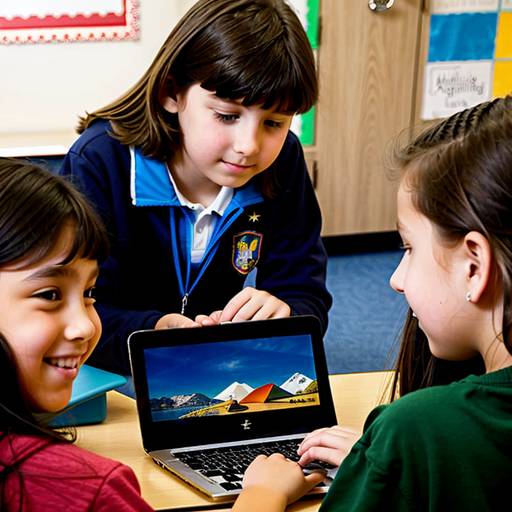
In this 4th-grade technology lesson, students will learn the fundamentals of using the internet effectively, focusing on search engine basics. The class will begin with a discussion about students' experiences using the internet to gather information. The teacher will demonstrate how to search using various keywords in a search engine, illustrating how to refine searches for better results.
Following the demonstration, students will engage in an activity where they will conduct searches related to specific questions, documenting their findings and evaluating the websites for credibility. In pairs, they will explore their chosen topics more deeply, utilizing a checklist to assess the trustworthiness and relevance of the information they find. The lesson will conclude with students sharing interesting facts with the class, emphasizing the importance of reliable sources in their research.
Through this lesson, students will gain essential skills in online searching, enabling them to navigate the digital world confidently and responsibly.
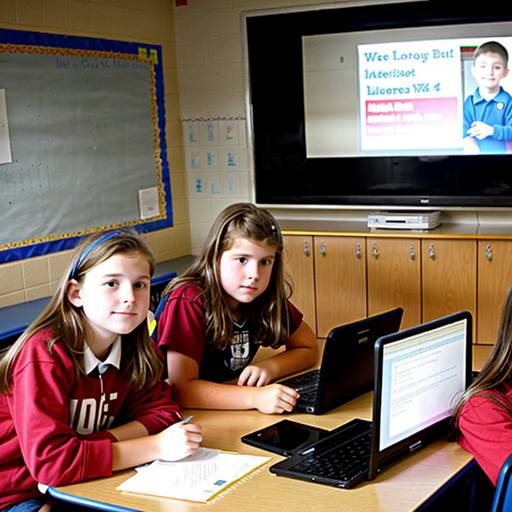
In this 4th-grade technology lesson, students will develop essential internet skills for effective and responsible online research. The lesson begins with a discussion about the importance of the internet as a research tool, highlighting how to identify reliable sources. Using a projector, the teacher will demonstrate effective search techniques and review tips for internet safety. Students will then work in small groups, assigned different research topics, to gather information using curated reliable websites. Each student will take notes and later write a summary paragraph about their topic, focusing on paraphrasing rather than copying. The lesson concludes with group presentations and a recap emphasizing the importance of source evaluation and online safety. Assessment will involve observing group participation, and reviewing summary paragraphs for understanding. Extensions will encourage students to further explore related topics for future presentations. Adaptations will be made for students needing additional support, ensuring a comprehensive and engaging learning experience for all.
In this 4th-grade technology lesson, students will learn the fundamentals of email communication and appropriate online etiquette. The lesson will begin with a discussion to gauge prior knowledge and interest in emails, followed by a structured overview of the essential components of an email, such as the subject line, greeting, body, closing, and signature. The significance of polite and clear communication will be emphasized through an introduction to email etiquette.
During guided practice, students will draft an email based on a provided scenario, allowing them to apply what they have learned. They will then engage in a peer review to share their emails and offer constructive feedback to one another. The lesson will conclude with selected students sharing their drafts while reinforcing key takeaways about effective communication.
Assessment will be conducted through observation of student participation and evaluation of their email drafts. Optional extensions may include discussions about attachments and internet safety. By the end of the lesson, students will be better prepared to communicate effectively via email, cultivating essential skills for their digital interactions.
In this 4th-grade technology lesson, students will focus on essential internet skills and the importance of netiquette. The lesson begins with a discussion that encourages students to share their knowledge about the internet, followed by an introduction to safe navigation and evaluating online sources. Key rules of netiquette are presented, emphasizing respectful communication, thinking before posting, and protecting personal privacy.
Students will engage in guided group activities where they analyze scenarios related to online interactions and develop appropriate responses using netiquette principles. This collaborative activity encourages problem-solving and peer-to-peer learning. For independent practice, students will create colorful posters highlighting three netiquette rules they consider most important, allowing them to express their creativity while reinforcing the lesson's core concepts.
The session concludes with a review of what was learned, providing an opportunity for students to share their reflections on netiquette. Assessment will be based on participation in discussions, group activities, and the creativity and understanding demonstrated in their posters. Opportunities for extension activities are also provided, encouraging students to reflect on their online experiences and practice their communication skills further. Overall, the lesson aims to equip students with vital skills for navigating the digital world safely and respectfully.
This lesson for 4th-grade students focuses on essential internet skills, particularly emphasizing privacy settings and online safety. Students will learn what personal information is, the significance of protecting it, and how to navigate the online world responsibly. The lesson begins with a discussion about students’ online activities, followed by a demonstration of privacy settings on popular platforms. Students will assess safe versus unsafe online behaviors through interactive scenarios.
In a group activity, students will create personal online safety plans, outlining rules for internet use, adjustments to privacy settings, and trusted individuals to contact when facing uncomfortable situations online. The class will conclude with a review of key concepts and encourage students to reflect on their learning by writing down insights and questions on sticky notes.
Assessment will be based on worksheet responses, group participation, and reflection notes. Adaptations will be provided for students needing extra support or those looking for more advanced challenges. By the end of the lesson, students will be equipped with the knowledge and skills to navigate the internet safely and protect their personal information.