
Filters
Level
Grade
Subject
Subject Area
Subject Topic
Standard(s)
Audience
Keyword
DurationMinutes
4th Grade Privacy Protection Lesson Plans
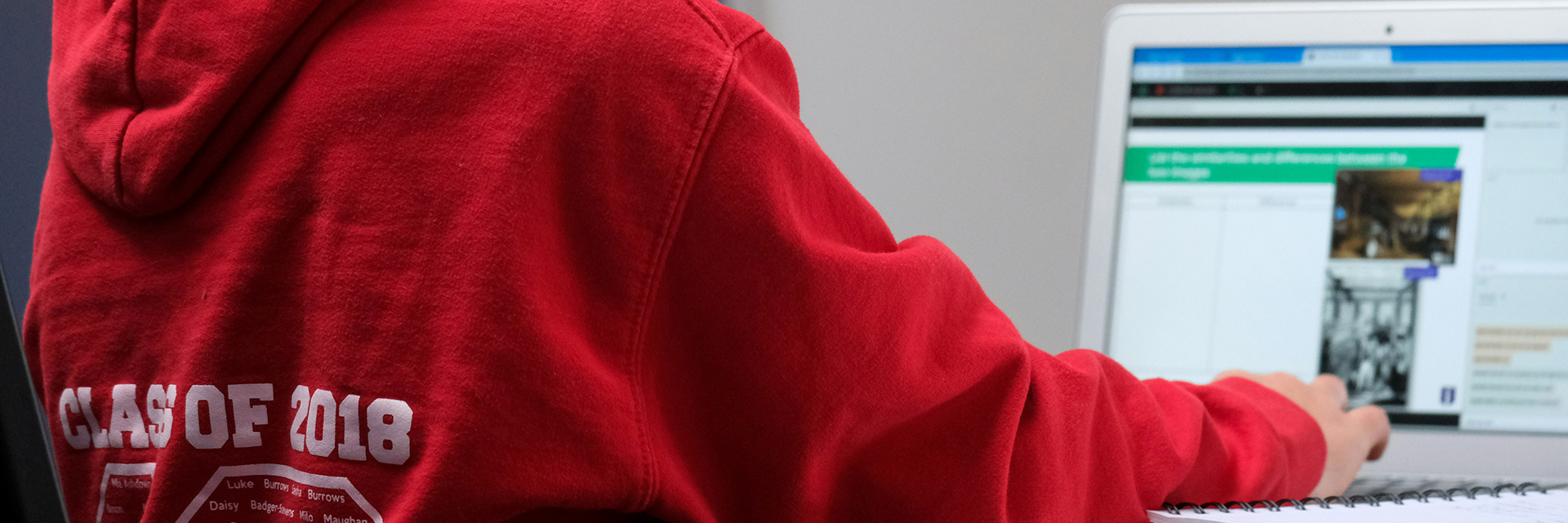

In this 4th-grade technology lesson, students engage in understanding the concepts of digital citizenship and privacy protection. The lesson begins with a class discussion about responsible technology use, followed by a short video that highlights the importance of keeping personal information private. Students then participate in a group activity where they analyze various online scenarios related to privacy, discussing appropriate responses and the rationale behind them. The session concludes with a reflection activity, where students express their learning and commit to actions that will help protect their privacy online. The lesson aims to empower students with the knowledge and skills to navigate the digital world safely and responsibly. Extension activities include creating a digital citizenship poster and hosting a parent night to reinforce safe online practices at home.

In this 4th-grade technology lesson, students will explore the concepts of digital citizenship and online privacy protection. The lesson begins with a classroom discussion about the internet and students' online activities, followed by an introduction to the importance of responsibly managing personal information. Through a presentation, students will learn to identify personal information and understand the risks associated with oversharing.
Next, students will work in small groups to analyze and discuss various privacy scenarios, fostering collaborative problem-solving skills. They will then come together to create a class 'Privacy Protection Pledge,' outlining key guidelines for safeguarding personal information online. To conclude the lesson, students will receive "Digital Detective Badges" as a recognition of their commitment to practicing online privacy.
Assessment will occur through observation of student participation during discussions and the quality of the created pledge. Extensions and adaptations are included to further engage students and accommodate diverse learning needs, ensuring a comprehensive understanding of digital citizenship and privacy protection.

This lesson plan is designed for 4th-grade students to explore the concepts of digital citizenship and privacy protection in an engaging manner. The session begins with an interactive discussion about students' online activities and introduces key terms related to responsible technology use. Through a presentation and group discussions, students learn about the importance of privacy and how to recognize safe online behavior.
Students then work in small groups to analyze various online scenarios, determining which actions are safe and which may pose privacy risks. Afterward, they create informative posters that convey an aspect of digital citizenship or privacy protection, fostering creativity and reinforcing their understanding. The lesson concludes with reflective journaling, where students consider how they will apply their newfound knowledge both at school and at home. Assessment is based on participation, group contributions, and poster quality, with extensions available for further learning. Overall, the lesson emphasizes the shared responsibility of being a good digital citizen.
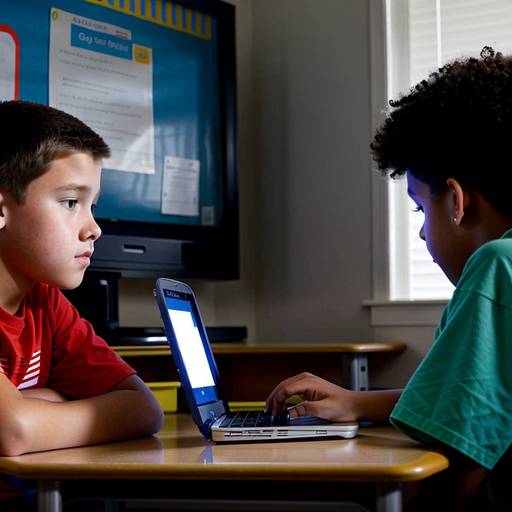
This lesson plan for 4th-grade students focuses on educating them about digital citizenship, privacy protection, and respectful online behavior. The lesson begins with a discussion to help students articulate their understanding of digital citizenship before watching a short video highlighting its importance.
Following the video, students participate in small group activities where they analyze various scenarios involving digital dilemmas, discussing solutions that exemplify good digital citizenship. To reinforce their learning, each student creates a poster outlining rights and responsibilities related to online behavior and privacy.
The session wraps up with a reflection on key concepts, encouraging students to consider how they will apply what they've learned to their own digital interactions. Assessment includes participation in discussions, the quality of the posters, and the ability to share insights during the wrap-up. Optional extensions encourage further exploration of privacy settings with parental guidance and the creation of digital projects to present in future classes. Overall, the lesson aims to equip students with the essential skills and knowledge to navigate the digital world safely and thoughtfully.