
Filters
Level
Grade
Subject
Subject Area
Subject Topic
Standard(s)
Audience
Keyword
DurationMinutes
4th Grade Digital Citizenship Lesson Plans

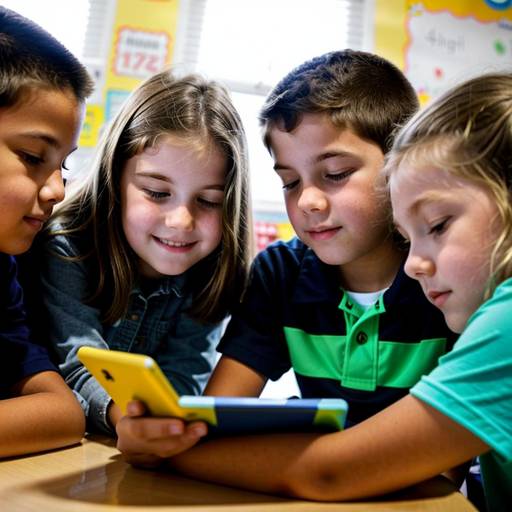
In this 4th-grade technology lesson, students will explore the concepts of digital citizenship and online safety through interactive discussions and group activities. The lesson begins with an engaging introduction where students share their thoughts on digital citizenship, followed by a presentation covering key aspects of online safety, such as protecting personal information and recognizing online dangers.
Students will participate in a Think-Pair-Share activity to reflect on their online experiences before working collaboratively in small groups. Each group will analyze various scenarios depicting safe and unsafe online behavior, determining the best practices for online interactions. They will create short skits based on these scenarios to present to the class, facilitating further discussion.
The lesson concludes with a class reflection on learned strategies for staying safe online, as well as an exit ticket activity where students can express what they've learned and any remaining questions. The lesson emphasizes critical thinking, responsibility, and the importance of being informed digital citizens. An extension activity challenges students to create digital posters or slideshows about online safety to share with the wider school community.
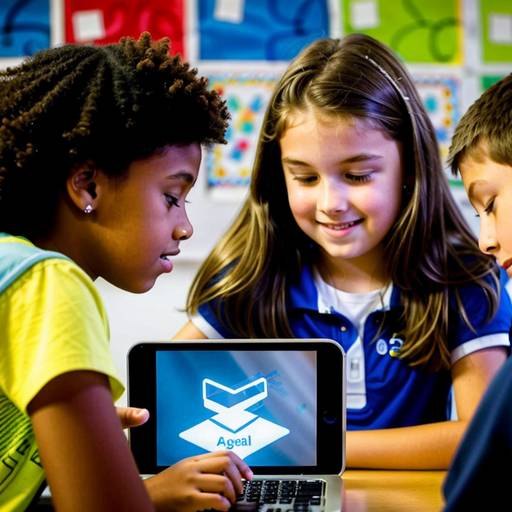
This lesson plan is designed for 4th-grade students to explore the concepts of digital citizenship and cyberbullying awareness. Students will engage in discussions to define digital citizenship and identify various forms of cyberbullying, understanding their emotional impact on victims. Through an interactive video and group role-playing activities, students will practice responding to cyberbullying scenarios. The lesson emphasizes the importance of responsible and respectful online behavior, culminating in students signing a Digital Citizenship Pledge to commit to these principles. Assessment will be based on participation in discussions and role-plays. The plan also includes extension activities, such as creating informative posters and writing short stories related to the topics covered.

In this 4th-grade technology lesson, students engage in understanding the concepts of digital citizenship and privacy protection. The lesson begins with a class discussion about responsible technology use, followed by a short video that highlights the importance of keeping personal information private. Students then participate in a group activity where they analyze various online scenarios related to privacy, discussing appropriate responses and the rationale behind them. The session concludes with a reflection activity, where students express their learning and commit to actions that will help protect their privacy online. The lesson aims to empower students with the knowledge and skills to navigate the digital world safely and responsibly. Extension activities include creating a digital citizenship poster and hosting a parent night to reinforce safe online practices at home.

In this 4th-grade lesson on digital citizenship and cyberbullying awareness, students will explore the importance of being responsible and respectful online. The session begins with a discussion about their online activities, leading to an introduction of digital citizenship concepts. Students will engage in group activities where they analyze scenarios depicting cyberbullying, discussing the impact on individuals and identifying ways to respond positively. The lesson emphasizes the role of bystanders as upstanders, encouraging students to think critically about how they can support peers and promote a safe online environment. The class will conclude with a reflective discussion, where students share their insights and action steps for fostering kindness in digital spaces. An assessment via exit tickets will gauge understanding, and a take-home handout will reinforce the concepts learned. Additionally, students will create posters to promote online kindness, contributing to a supportive classroom atmosphere.

In this 4th-grade technology lesson, students will explore the concepts of digital citizenship and online privacy protection. The lesson begins with a classroom discussion about the internet and students' online activities, followed by an introduction to the importance of responsibly managing personal information. Through a presentation, students will learn to identify personal information and understand the risks associated with oversharing.
Next, students will work in small groups to analyze and discuss various privacy scenarios, fostering collaborative problem-solving skills. They will then come together to create a class 'Privacy Protection Pledge,' outlining key guidelines for safeguarding personal information online. To conclude the lesson, students will receive "Digital Detective Badges" as a recognition of their commitment to practicing online privacy.
Assessment will occur through observation of student participation during discussions and the quality of the created pledge. Extensions and adaptations are included to further engage students and accommodate diverse learning needs, ensuring a comprehensive understanding of digital citizenship and privacy protection.
This lesson plan focuses on teaching 4th-grade students the principles of digital citizenship and raising awareness about cyberbullying. The lesson engages students through discussions, interactive activities, and group scenarios that illustrate various forms of cyberbullying. Students will learn to define digital citizenship, identify the impacts of cyberbullying on individuals and communities, and explore effective strategies for prevention and intervention.
The lesson includes a guided activity where students work in groups to analyze real-life cyberbullying situations, followed by class discussions to foster understanding and empathy. To conclude, students will reflect on their learning by completing a worksheet that encourages them to think about how they can contribute positively to the online community. Overall, the lesson aims to empower students with the knowledge and skills necessary to navigate the digital world responsibly and supportively.

This lesson plan is designed for 4th-grade students to explore the concepts of digital citizenship and privacy protection in an engaging manner. The session begins with an interactive discussion about students' online activities and introduces key terms related to responsible technology use. Through a presentation and group discussions, students learn about the importance of privacy and how to recognize safe online behavior.
Students then work in small groups to analyze various online scenarios, determining which actions are safe and which may pose privacy risks. Afterward, they create informative posters that convey an aspect of digital citizenship or privacy protection, fostering creativity and reinforcing their understanding. The lesson concludes with reflective journaling, where students consider how they will apply their newfound knowledge both at school and at home. Assessment is based on participation, group contributions, and poster quality, with extensions available for further learning. Overall, the lesson emphasizes the shared responsibility of being a good digital citizen.
In this 4th grade technology lesson, students will learn about the concept of a digital footprint and the significance of maintaining a positive online presence. The lesson begins with an engaging introductory activity that compares physical footprints to digital ones, followed by a brief, age-appropriate video explaining the topic.
Students will explore the definition of a digital footprint, discussing its active and passive forms, as well as real-life examples of how online actions can impact individuals both positively and negatively. In small groups, learners will brainstorm ways they create digital footprints and present their findings to the class, highlighting both positive and negative aspects.
To reinforce understanding, the class will participate in an interactive quiz reviewing the concepts covered. Finally, students will reflect on their learning by sharing one commitment they will make to enhance their digital footprint. Through discussions and activities, the lesson emphasizes responsible digital citizenship and encourages students to be mindful of their online actions.
Assessment will include participation in group activities, quiz performance, and individual reflections to ensure comprehension and application of the concepts discussed. Adjustments will be made for differing learning needs, and an optional homework assignment will invite students to outline their future strategies for managing their digital presence.
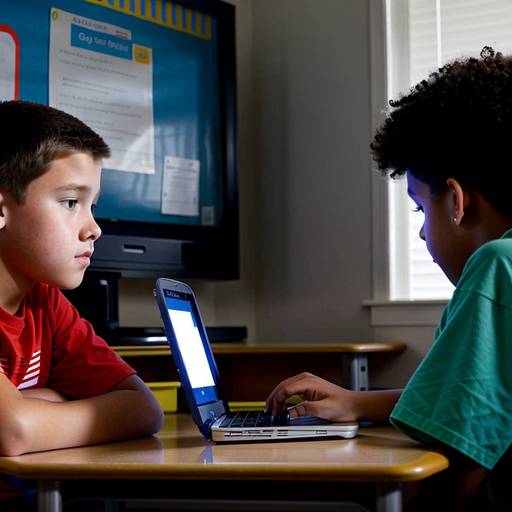
This lesson plan for 4th-grade students focuses on educating them about digital citizenship, privacy protection, and respectful online behavior. The lesson begins with a discussion to help students articulate their understanding of digital citizenship before watching a short video highlighting its importance.
Following the video, students participate in small group activities where they analyze various scenarios involving digital dilemmas, discussing solutions that exemplify good digital citizenship. To reinforce their learning, each student creates a poster outlining rights and responsibilities related to online behavior and privacy.
The session wraps up with a reflection on key concepts, encouraging students to consider how they will apply what they've learned to their own digital interactions. Assessment includes participation in discussions, the quality of the posters, and the ability to share insights during the wrap-up. Optional extensions encourage further exploration of privacy settings with parental guidance and the creation of digital projects to present in future classes. Overall, the lesson aims to equip students with the essential skills and knowledge to navigate the digital world safely and thoughtfully.
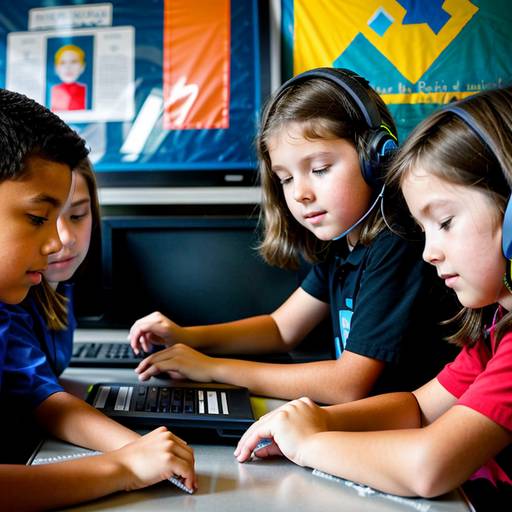
In this 60-minute lesson for 4th graders, students will explore the concept of digital citizenship and the importance of safe online behavior, with a focus on understanding and addressing cyberbullying. The lesson begins with a warm-up discussion about friendships in the digital world, followed by a definition of digital citizenship and its key principles.
Students will work in small groups to analyze scenarios depicting both cyberbullying and positive online interactions, discussing how to identify and handle such situations. This will lead to role play activities, where students will act out their scenarios, illustrating the negative impacts of cyberbullying and effective responses.
Afterward, the class will engage in a discussion about solutions and the importance of supporting one another in maintaining a safe online environment. To reinforce the lesson, students will receive a Digital Citizenship Contract outlining respectful online behavior and consequences for cyberbullying. They are encouraged to discuss the contract with their families and return it signed.
The lesson concludes with a recap of key points and an emphasis on promoting kindness in digital interactions. Assessment will be based on student participation in discussions and activities, as well as the completion of the contract, ensuring that students understand their responsibilities as digital citizens. Extension activities include creating posters that promote positive digital behaviors and researching related topics for further exploration.