
Filters
Level
Grade
Subject
Subject Area
Subject Topic
Standard(s)
Audience
Keyword
DurationMinutes
4th Grade Coding Projects Lesson Plans
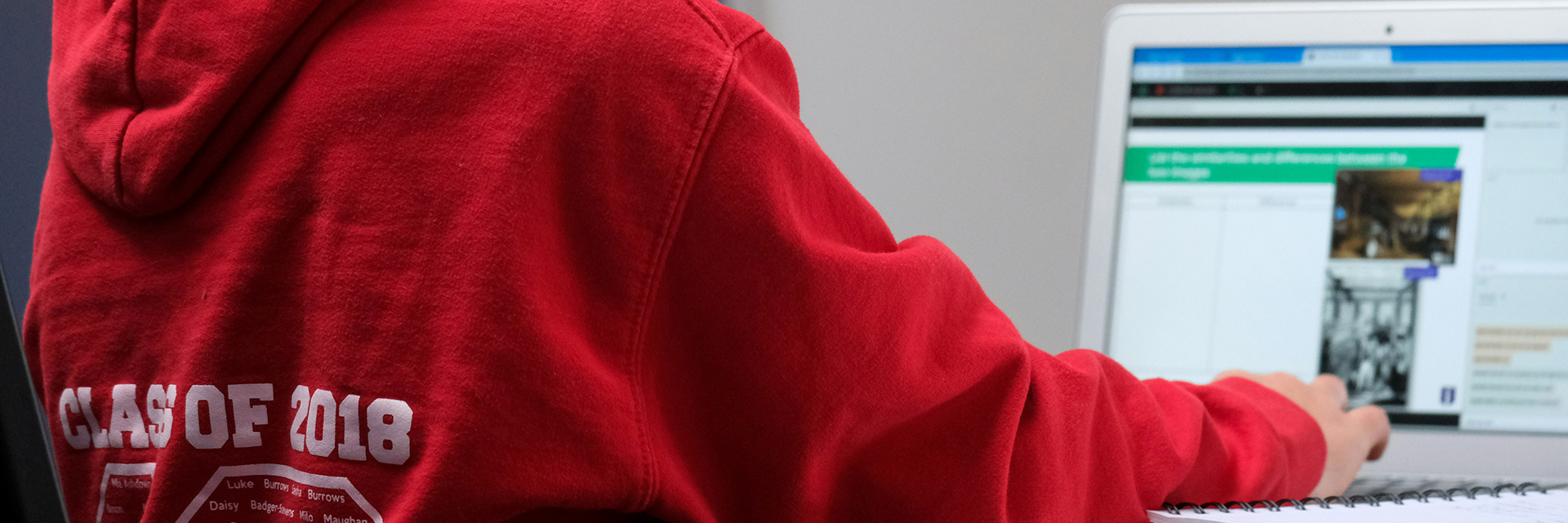

In this 4th-grade technology lesson plan, students will be introduced to the fundamentals of coding through the visual programming language Scratch. The lesson begins with a discussion about coding and its relevance in everyday technology, accompanied by an overview of the Scratch interface and its coding blocks. Students will engage in an exploration activity to familiarize themselves with Scratch, followed by a planning phase where they will design their own interactive games based on storyboards they create.
In the second part of the lesson, students will actively code their games, applying the concepts they learned about movement, objectives, and game mechanics. They will present their projects to the class, showcasing their creativity and the unique elements of their games. The lesson concludes with a reflection on their coding experience. Students will be assessed based on participation, planning documentation, and the complexity of their game creations, with opportunities for future extensions in coding concepts and collaboration.
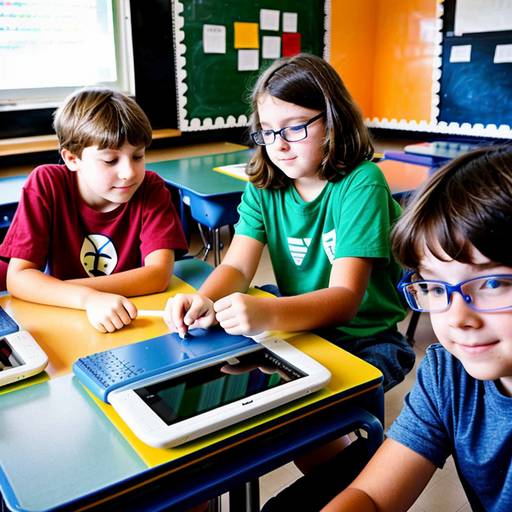
This lesson plan for 4th-grade students focuses on introducing the fundamentals of coding through interactive activities. Students will learn key concepts such as algorithms, sequences, loops, and conditionals. The lesson begins with a discussion about the significance of coding in everyday life, followed by a demonstration using a block-based programming platform like Scratch or Code.org. Guided practice allows students to collaboratively create a basic coding project while incorporating the learned concepts.
During independent work, students will partner up to brainstorm and develop their own unique projects, such as simple animations or games, utilizing loops and conditionals. The lesson culminates in presentations where each pair shares their creations and discusses the challenges and solutions they encountered. Assessment will be based on participation and the application of coding concepts in their projects. The plan also includes extensions for further exploration and accommodations to support diverse learning needs, ensuring an engaging experience for all students.

This technology lesson plan targets 4th-grade students, focusing on introducing coding concepts through the creation of interactive stories using a block-based coding platform like Scratch. Over the course of 60 minutes, students will engage in discussions about coding's importance, learn basic coding commands, and plan their unique stories, identifying key elements like characters and plot interactions. Following this, they will actively create their interactive stories by incorporating various coding elements, encouraging creativity and collaboration. The lesson concludes with peer-sharing sessions where students present their projects, receive feedback, and reflect on their learning experiences. Assessment will focus on engagement, story outlines, and the final interactive stories, while extensions allow for further refinement and exploration of coding outside the classroom.
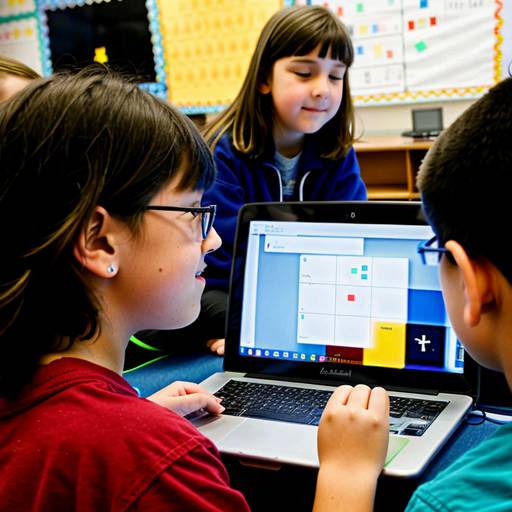
In this 4th-grade technology lesson, students will explore the basics of coding through the understanding of algorithms, which serve as step-by-step instructions for problem-solving. The lesson begins with a warm-up discussion on coding, followed by an introduction to a coding platform where students will learn about essential concepts like sequences, loops, and conditions. They will engage in an interactive activity where they create their own algorithm based on a common task.
Guided practice allows students to develop a simple coding project, such as an animation or interactive scene, based on a theme of their choice. As they work on their projects, students will reflect on their learning and share their creations with the class. The lesson concludes with a recap of key concepts, emphasizing the importance of algorithms in programming and the troubleshooting process of debugging. Assessment will focus on collaboration, creativity, and understanding of coding concepts, with opportunities for further exploration in follow-up lessons. Adaptations will be made to support diverse learners and challenge advanced students.