
Filters
Level
Grade
Subject
Subject Area
Subject Topic
Standard(s)
Audience
Keyword
DurationMinutes
4th Grade Rules Lesson Plans

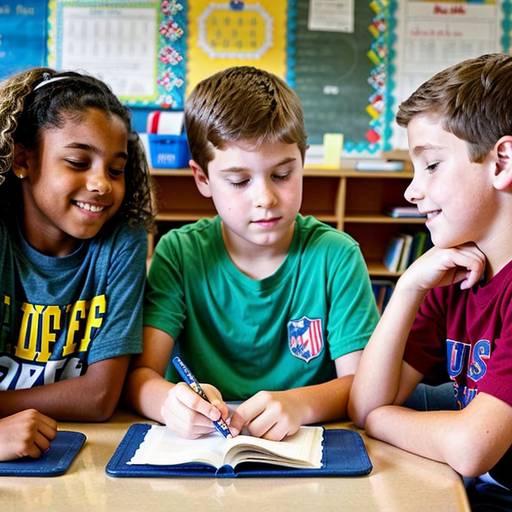
In this engaging 4th-grade social studies lesson, students will explore the purpose and importance of rules within a community. The lesson begins with a class discussion about the characteristics of a good community and how rules contribute to safety and order. Students will work in small groups to analyze specific community settings, brainstorming relevant rules for each scenario and sharing their ideas with the class.
Next, the class will collaboratively review a worksheet on common community rules, categorizing them into themes such as safety and respect, which enhances their understanding of each rule's significance. Students will then reflect individually by proposing a new rule for their community, writing their ideas on post-it notes to create a collaborative "Community Rule Board."
The lesson concludes with a summarization of key points about rule-following and encourages students to think of ways they can positively impact their community. Assessment will be based on participation in discussions and group activities. The lesson is designed to foster teamwork, critical thinking, and a sense of responsibility among students as active members of their community. Extensions may include inviting community leaders for discussions and planning a service project to reinforce the principles learned. Adaptations are also available to support varying levels of student engagement.
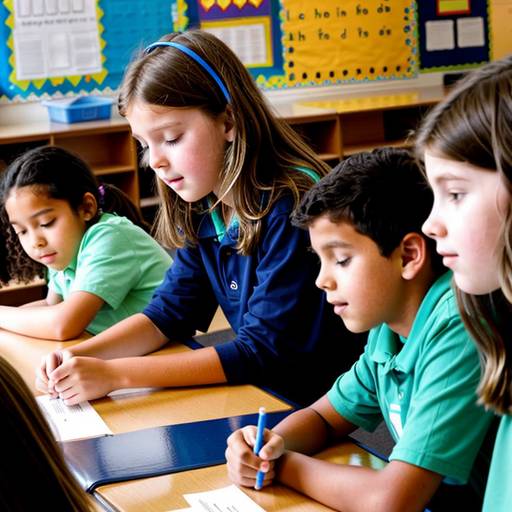
In this 4th-grade social studies lesson, students will explore the essential role of community rules and responsibilities in fostering a safe and caring environment. The lesson begins with a discussion on the characteristics that make a community a good place to live, followed by an introduction to various community roles, such as teachers, parents, and firefighters. Students will then work in small groups to brainstorm rules that their assigned roles should follow to contribute positively to the community. Each group will present their findings on chart paper.
In an independent reflection activity, students will write down one important rule they believe is vital for a caring community and share it with the class. The lesson concludes with a recap of the significance of rules and how students can actively contribute to their community. Assessment will be based on participation, group presentations, and individual reflections. This engaging lesson encourages students to understand their roles within the community and the importance of cooperation and responsibility.
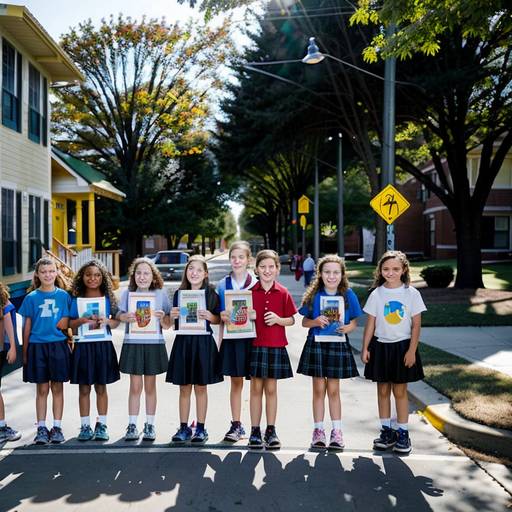
This 4th-grade social studies lesson focuses on the concepts of community and the importance of rules for maintaining a safe and functioning environment. Students will first engage in discussions to define what a community is and brainstorm its key elements. Working in small groups, they will create visual representations of their community, highlighting important locations and features.
The lesson will then transition to exploring community rules, where students will identify and discuss common rules, their purposes, and the potential consequences of not having them. Each student will select a rule they consider important and find images to represent it, compiling their work on a handout.
In the closure of the lesson, students will share their selected rules and contribute to a collaborative poster titled "Our Community Rules," which will be displayed in the classroom. This interactive approach culminates in students understanding how community rules contribute to a thriving and respectful society. The lesson emphasizes participation, creativity, and critical thinking while providing opportunities for discussion and visual learning.

This 4th-grade social studies lesson focuses on understanding communities and the significance of rules within them. The lesson begins with a class discussion to establish a shared definition of "community" and explore its various forms. Students engage in a dialogue about the importance of rules, examining how they contribute to safety and well-being.
In small groups, students brainstorm essential rules for their community, sharing their ideas with the class. Following this discussion, they create a community poster that illustrates three important rules, allowing for creativity and individual expression. The lesson concludes with students presenting their posters and reflecting on their commitments to following rules within their community. Assessment includes participation in discussions, evaluation of the posters, and an exit ticket where students identify a personal rule to uphold.
The lesson can be extended through field trips or guest speakers, and adaptations are included to support diverse learning needs. This approach fosters student engagement and deepens their understanding of community dynamics and responsibilities.