
Filters
Level
Grade
Subject
Subject Area
Subject Topic
Standard(s)
Audience
Keyword
DurationMinutes
4th Grade Roles Lesson Plans

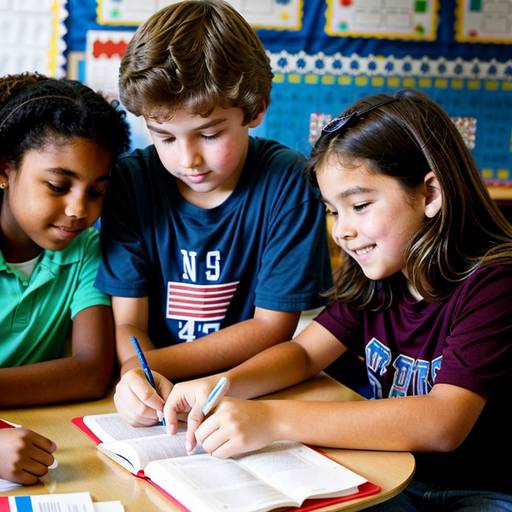
In this 4th-grade social studies lesson, students will explore the diverse roles within their community and understand how each contributes to its overall functioning. The lesson begins with a class discussion about the concept of community and the various jobs individuals perform. Students will be introduced to different community roles, such as police officers, teachers, and healthcare providers, through pictures and descriptions.
Working in small groups, students will select a role, discuss its responsibilities, and prepare a brief skit or presentation to demonstrate its importance. After each group presents, the class will engage in a discussion to reflect on the significance of these roles and the positive impacts they have on the community. To deepen their understanding, students will receive a worksheet to interview a community worker they know, allowing them to connect classroom learning to real-life experiences.
Assessment will be based on group participation and the completion of the worksheet. Adjustments will be made to accommodate different learning needs, ensuring that all students can engage with the lesson effectively. Finally, the lesson provides opportunities for follow-up activities, such as a field trip or guest speaker, to further enrich students' understanding of their community.
This 4th-grade social studies lesson focuses on helping students understand the various roles within their community and the importance of community helpers. The class begins with a discussion about who contributes to making the neighborhood a better place, encouraging students to share their thoughts. Students then work in small groups to explore specific community roles, discussing their functions and significance. Following this, they engage in a creative activity where they create a collage that visually represents different community helpers and includes descriptions of each role. The lesson concludes with students sharing their collages with the class, fostering a reflective discussion on the vital contributions of these helpers. Assessment is based on participation and the creativity demonstrated in their collages, while extensions include possible field trips or guest speakers to enhance their understanding. Overall, the lesson aims to instill appreciation for community members who play essential roles in daily life.
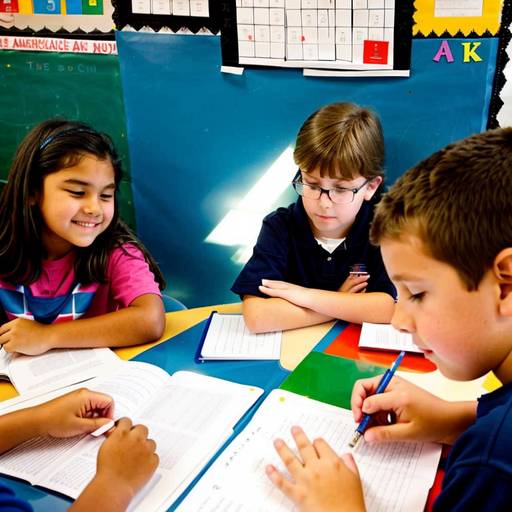
This fourth-grade social studies lesson focuses on exploring the various roles within a community and understanding their significance. Students will engage in a class discussion to identify different community occupations and their responsibilities. They will work in small groups to create a visual representation of their community, incorporating specific roles and illustrating how each contributes to the overall functioning of the community. Each group will present their project to the class, fostering collaboration, critical thinking, and public speaking skills. The lesson culminates with a reflection activity where students write about a community role they find intriguing. Assessment will be based on participation during discussions and the quality of group presentations. Extensions may include field trips or guest speakers to enhance learning further, while accommodations will be provided to support diverse learners.
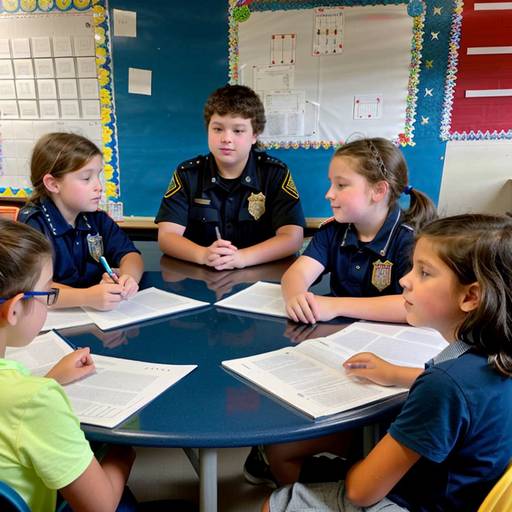
In this 4th-grade social studies lesson, students will explore the concept of community by identifying and discussing various roles within it, such as teachers, police officers, and doctors. They will learn about the responsibilities associated with each role and how these contribute to the overall well-being of the community.
The lesson begins with a group discussion to define what a community is and the roles that comprise it. Students will then work in small groups to select community roles from provided cards, creating posters that highlight the role's title, responsibilities, and illustrations. Each group will present their posters to the class, fostering a collaborative learning environment.
To conclude, students will reflect on their own roles in the community by writing about their personal responsibilities. Assessment will be based on group participation, the quality of the posters, and individual reflections. Additional extensions may include inviting community leaders for discussions or encouraging students to interview someone in a specific role. Overall, the lesson emphasizes the importance of individual contributions to the community and fosters an understanding of civic responsibilities.