
Filters
Level
Grade
Subject
Subject Area
Subject Topic
Standard(s)
Audience
Keyword
DurationMinutes
4th Grade Space Exploration Lesson Plans

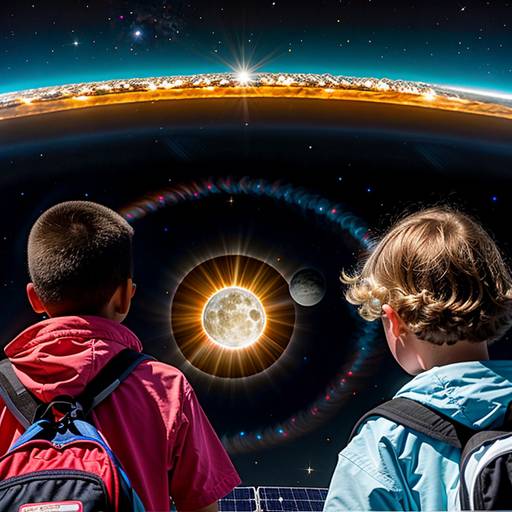
This lesson plan is designed for 4th-grade students, focusing on astronomy and space exploration by introducing them to our solar system. Over two class periods, students will learn about the eight planets, exploring their characteristics and significance within our solar neighborhood. The lesson begins with an engaging video and a discussion on space exploration, followed by group research on individual planets using fact cards.
Students will then create models of the planets to understand their size, color, and unique features, while also incorporating the concepts of orbit and rotation. A collaborative activity will see students representing the solar system on a large poster board, emphasizing the correct order and distance between planets. Throughout the lesson, students will engage in discussions, present their findings, and complete reflection worksheets to consolidate their learning.
The plan encourages creativity, teamwork, and critical thinking while also offering opportunities for further exploration and extension activities to maintain interest in the subject. Overall, the lesson aims to foster curiosity about space and enhance students' understanding of our place in the universe.
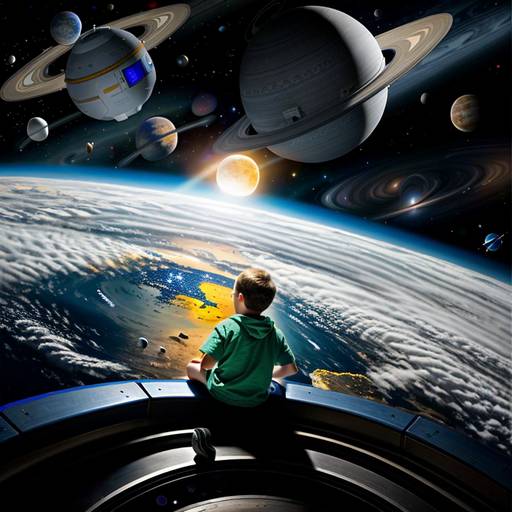
In this 4th-grade science lesson, students will explore the solar system and space exploration. The lesson begins with a discussion about space and an engaging presentation that highlights key components of the solar system, including planets, the sun, and the role of astronauts. After introducing essential vocabulary, students will work in small groups to create models of assigned planets using Styrofoam balls and other materials, encouraging teamwork and creativity.
Each group will present their model to the class, sharing interesting facts about their assigned planet. Following the group activity, students will complete a worksheet that requires them to summarize what they learned and draw a picture of their favorite planet or spacecraft. The lesson concludes with a class discussion where students can share their favorite facts or experiences. The assessment will involve evaluating participation in discussions, presentations, and completeness of the worksheets. Opportunities for extension include creating a classroom display of the solar system and exploring further documentaries or virtual field trips related to space exploration. Reflection activities will help the teacher assess student engagement and areas for improvement in future lessons.
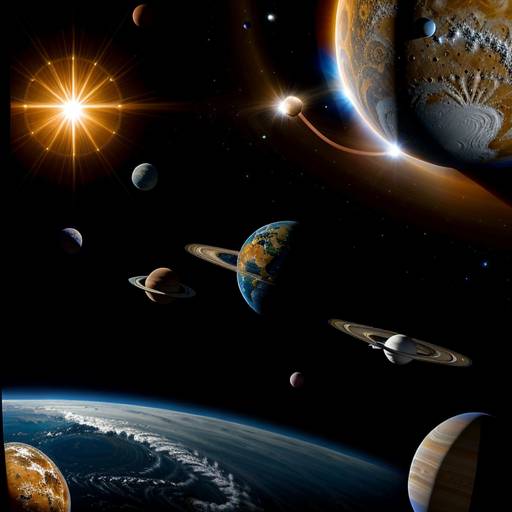
In this 4th-grade science lesson, students will explore the solar system and learn about the individual planets and space exploration. The lesson begins with an engaging discussion to assess prior knowledge and introduces key concepts about the solar system, including the order of the planets and their main characteristics.
Following direct instruction, students will work in small groups to research a specific planet using provided fact cards and model representations. Each group will prepare a short presentation to share interesting facts about their planet with the class. This collaborative activity encourages teamwork and enhances communication skills.
The lesson concludes with a reflective discussion where students can express what they learned. To reinforce their understanding, students will complete a "Planet Journal" worksheet to document information about the planets. Assessment will focus on group participation, presentation clarity, and the completion of the journal. Optional extensions include creating a model of a favorite planet or exploring space-related resources further, while modifications are provided to ensure all students can engage meaningfully with the content.
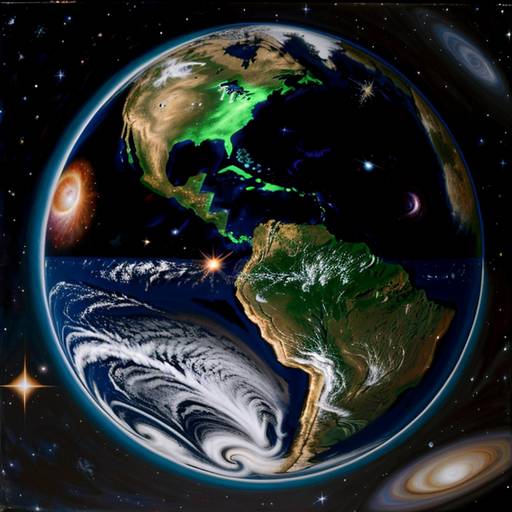
In this 4th-grade science lesson plan, students will engage in exploring the solar system and understanding celestial bodies such as planets, moons, and stars. The lesson begins with a discussion about astronomy, followed by a short video that introduces the solar system. Students will learn about the order of the planets, their characteristics, and how they relate to Earth, as well as the importance of space exploration and key missions.
Following this introduction, students will work in small groups to research a specific planet or celestial body, creating informative posters that highlight its features and interesting facts. Each group will then present their findings to the class, fostering engagement and discussion. The lesson concludes with a recap of key concepts and an assignment for students to complete at home, illustrating significant milestones in space exploration.
Assessment will include participation in discussions, evaluation of group posters, and the completion of the take-home worksheet. The lesson offers opportunities for extensions, such as field trips or invitations to guest speakers, and encourages students to observe the night sky and document their findings in a personal journal.