
Filters
Level
Grade
Subject
Subject Area
Subject Topic
Standard(s)
Audience
Keyword
DurationMinutes
4th Grade Gymnastics Lesson Plans

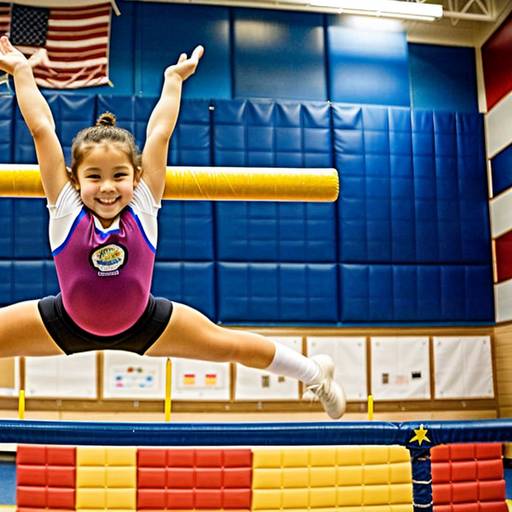
This 4th-grade physical education lesson focuses on developing balance and coordination through engaging gymnastics and sports activities. The session begins with an introduction to the importance of these skills in both sports and gymnastics, followed by a warm-up that includes dynamic stretches and aerobic movements to prepare students for physical activity.
Students participate in a balance beam activity, where they practice walking across the beam in various directions to improve their balance. The lesson then transitions to coordination stations, where students rotate through several activities, including hula hooping, jump roping, and weaving through cones. Each station emphasizes different coordination skills and encourages students to challenge themselves.
In the final segment, students work in groups to create simple gymnastic routines that incorporate balance movements, coordination components, and creative movements, which they then present to the class. The lesson concludes with a cool-down session that focuses on deep breathing and gentle stretching to relax the muscles.
Assessment is carried out through observation of students' performance and their ability to work cooperatively during routines. The lesson emphasizes teamwork, creativity, and the importance of trying new skills while reinforcing fundamental movement concepts.
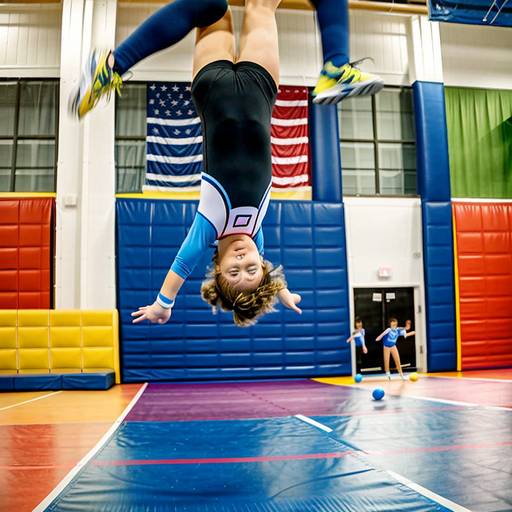
This lesson plan is designed for 4th-grade students in a physical education class, focusing on basic skills in gymnastics and sports. The objectives include developing physical skills such as jumping, rolling, and flipping safely, promoting good sportsmanship and teamwork, and building confidence in physical activities.
The lesson begins with an introduction that highlights the importance of gymnastics and sets safety rules. A dynamic warm-up follows, featuring fun movements to engage students. The class is then divided into small groups, rotating through three skill stations that emphasize tumbling, balance beam navigation, and hurdle jumping. Each station allows students to practice specific skills in a safe environment.
A relay race incorporates the skills learned at the stations, promoting teamwork and encouragement among students. The lesson concludes with a cool-down period that includes gentle stretching and a reflection session, where students can share their experiences and what they learned. Assessment is conducted through observation of participation, skill execution, and sportsmanship throughout the activities.
Adaptations are included to ensure all students can participate, with modifications for varying skill levels and physical abilities. The lesson emphasizes the enjoyment of movement and encourages students to practice their skills at home. Safety measures are prioritized, with close supervision during all activities to foster a positive and supportive learning environment.