
Filters
Level
Grade
Subject
Subject Area
Subject Topic
Standard(s)
Audience
Keyword
DurationMinutes
4th Grade Dynamics Lesson Plans


In this engaging 4th-grade music lesson, students will explore the concept of dynamics in music, focusing on the principles of loudness and softness. The lesson begins with an introduction to dynamic markings such as forte, piano, mezzo piano, mezzo forte, crescendo, and decrescendo, using discussions and interactive call-and-response exercises to reinforce understanding.
Students will then be divided into small groups, each assigned a specific dynamic marking. They will create short musical phrases using instruments or body percussion, incorporating the dynamics they’ve learned. After rehearsal, each group will present their compositions to the class, allowing for constructive feedback and reflection on their performances.
The lesson concludes with a recap of the key concepts and encourages students to listen for dynamics in their favorite music, promoting active engagement with music outside the classroom. Assessment will be based on participation, group performance, and optional written reflections on the dynamic elements found in music they encounter. This lesson provides a hands-on approach to understanding musical dynamics while fostering teamwork and creativity.
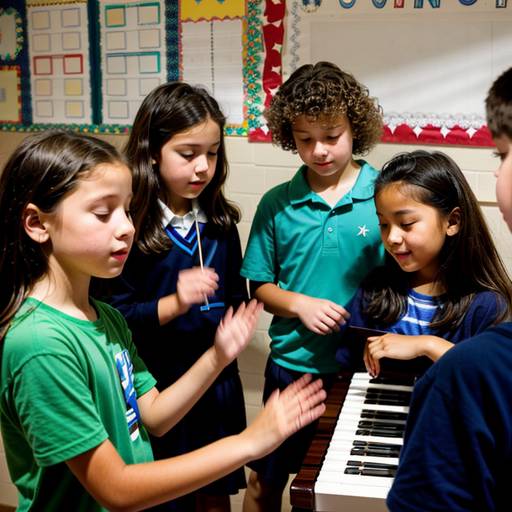
In this 4th-grade music lesson, students will explore the concept of dynamics in music, focusing on how loudness and softness can enhance expressiveness. The lesson begins with an introduction to dynamic terms, including forte, piano, mezzo forte, mezzo piano, crescendo, and decrescendo. Students will engage in active listening exercises, identifying changes in volume within a selected piece of music.
Following the listening activity, the class will study a familiar song, discussing sections where dynamic contrasts can be applied. Students will be divided into small groups to practice and perform their assigned sections, incorporating appropriate dynamic variations. The lesson concludes with a creative reflection activity where students will draw their own dynamic symbols and discuss their learning experience with a partner.
Assessment will focus on participation in group activities, performances, and the reflective creative task. The lesson is adaptable for diverse learners, ensuring that all students can engage with the material effectively. This approach not only builds understanding of music theory but also fosters teamwork and creativity among students.

In this 4th-grade music lesson, students will explore the concept of dynamics—how music can vary in loudness and softness. The lesson begins with a discussion on their experiences with dynamic sounds in music, followed by an introduction to key terms like "piano," "forte," "crescendo," and "decrescendo." Students will engage in a listening activity, analyzing music clips that exemplify these dynamics and expressing their feelings about the changes in sound.
Next, the class will participate in a vocal exercise, actively demonstrating contrasts in volume through their voices and movements. In small groups, students will explore classroom instruments to create their own short musical pieces that incorporate at least two dynamic changes. Each group will present their composition to the class, reflecting on how they used dynamics to enhance their music.
The lesson concludes with a brief discussion and encourages students to observe dynamics in their favorite songs at home for further exploration. Performance and collaboration will be assessed throughout the session, fostering creativity and a deeper understanding of musical dynamics.
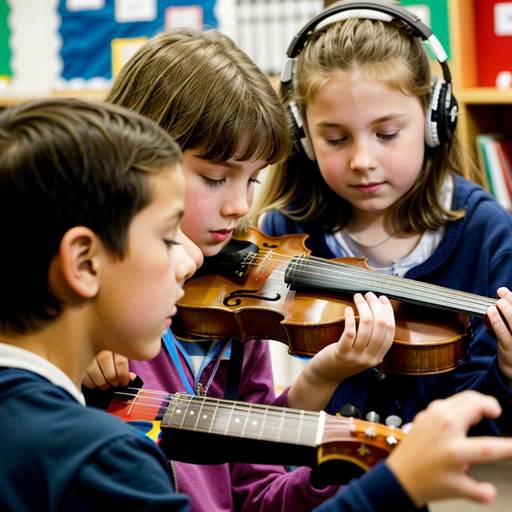
This lesson plan is designed for 4th-grade students to explore and understand the concept of dynamics in music, focusing on loudness and softness. The lesson begins with a discussion about dynamics, introducing essential terms and symbols such as piano (soft), forte (loud), crescendo (getting louder), and decrescendo (getting softer).
Students engage in active listening by analyzing a selection of musical pieces that showcase varied dynamics. Following this, they participate in a hands-on activity where they form small groups to create and perform their own short musical pieces, incorporating at least three different dynamics. Each group will present their work to the class, providing an opportunity for observation and feedback.
The lesson concludes with a class discussion on what students learned regarding dynamics and an individual worksheet activity that reinforces their understanding of the concepts. The lesson also includes extensions for homework, encouraging students to explore dynamics in their favorite songs, and accommodates different learning needs through tailored activities. Overall, this lesson encourages creativity, collaboration, and critical listening skills while fostering an appreciation for the nuances of musical expression.