
Filters
Level
Grade
Subject
Subject Area
Subject Topic
Standard(s)
Audience
Keyword
DurationMinutes
4th Grade Time Patterns Lesson Plans

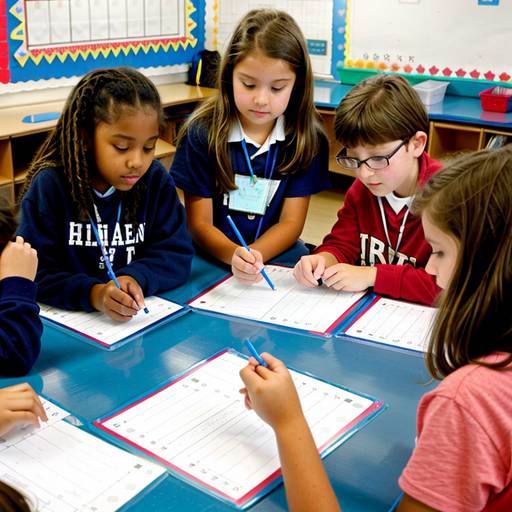
In this 4th-grade math lesson, students will engage with the concepts of reading analog and digital clocks, calculating elapsed time, and identifying time patterns. The lesson begins with a discussion on the importance of time, followed by direct instruction on how to read both types of clocks and calculate elapsed time through simple examples. Students will then participate in group activities where they will work collaboratively to match clock times, solve elapsed time problems, and explore patterns. After working independently on worksheets that reinforce these skills, the class will come together to share their discoveries and review key concepts. The lesson will culminate in a quick interactive game to reinforce learning and ensure understanding. Assessment will be informal, based on observations during group work and the evaluation of completed worksheets. Extension activities will provide additional challenges for students ready to advance their understanding further. Adjustments will be made to support diverse learners, ensuring all students grasp the fundamental concepts related to time.
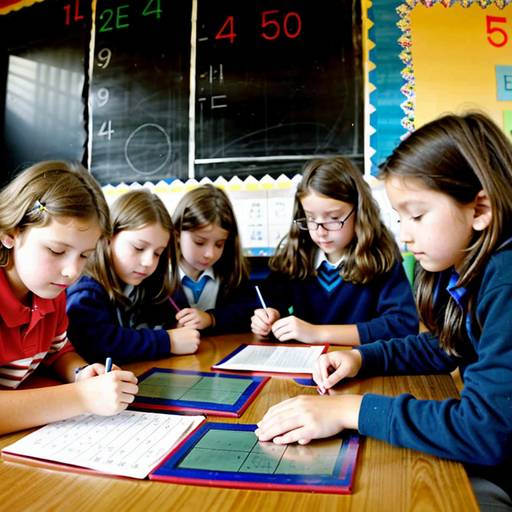
In this 4th-grade math lesson, students will explore the concepts of time and time patterns through engaging activities. The lesson begins with a discussion on the significance of time in daily life, followed by instruction on how to read both analog and digital clocks. Students will learn about time patterns, such as intervals of 15 minutes, 30 minutes, and 1 hour, using relatable examples.
During guided practice, students will work with analog clocks to set various times and discuss corresponding time patterns in pairs. They will then complete a worksheet that includes reading clocks and solving word problems related to time independently. The class will come together to review worksheet answers and reflect on the importance of understanding time in real-life scenarios.
To assess student understanding, the teacher will evaluate worksheet responses and observe participation throughout the activities. The lesson will include differentiation strategies for students of varying skill levels and offer extensions, such as creating a personal daily schedule. The overall goal is to provide students with a solid grasp of time and its patterns, making math both engaging and relevant to their everyday experiences.

This 4th-grade math lesson focuses on helping students understand how to read and interpret both analog and digital clocks. The lesson emphasizes the importance of time in daily life and introduces the concept of time patterns, such as hourly and half-hour intervals.
Students will begin with a discussion about the relevance of time and then engage in a hands-on demonstration of clock reading. They will work in small groups to create daily schedules based on assigned time patterns, fostering collaboration and reinforcing their understanding.
Following the group activity, students will complete worksheets with reading and problem-solving tasks related to time. The lesson concludes with a review session where students share their solutions and reflect on the significance of recognizing time patterns. Assessment includes observation of group dynamics and evaluation of completed worksheets. Extensions are available for students who finish early, offering challenges related to time-based puzzles or insights into global time differences. This comprehensive lesson ensures a balanced approach to learning about time and its practical applications.
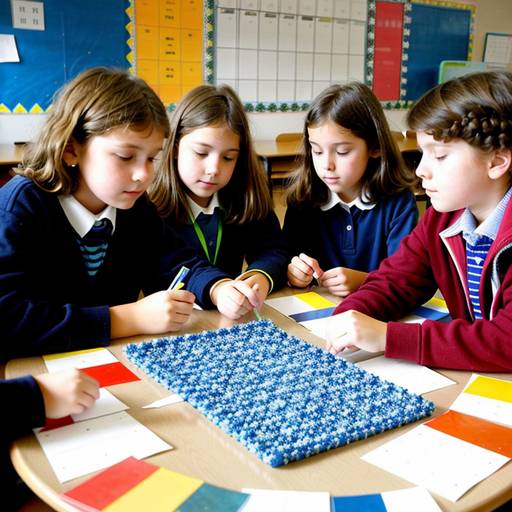
In this 4th-grade math lesson, students will explore the concept of time and its patterns through interactive activities. The lesson begins with a captivating story about a time traveler, which serves as a hook to engage students in discussions about time measurement and significance.
Students will learn how to read both analog and digital clocks, understand the difference between AM and PM, and practice converting hours into minutes. Guided practice involves matching clock formats and completing a daily schedule based on time patterns.
For independent practice, students will create their own schedules using a template, incorporating their daily activities and illustrating time patterns creatively. The lesson concludes with a class discussion where students share their discoveries about time patterns.
Assessment will involve observing student participation, reviewing worksheet accuracy, and evaluating the completed schedules. Differentiation strategies will be in place to support students who need additional help, while advanced students will be challenged with more complex tasks. An extension activity may involve tracking activities on a countdown calendar to discover emerging patterns over time. This lesson aims to foster a deeper understanding of time and its practical applications in students' daily lives.