
Filters
Level
Grade
Subject
Subject Area
Subject Topic
Standard(s)
Audience
Keyword
DurationMinutes
4th Grade Time Lesson Plans

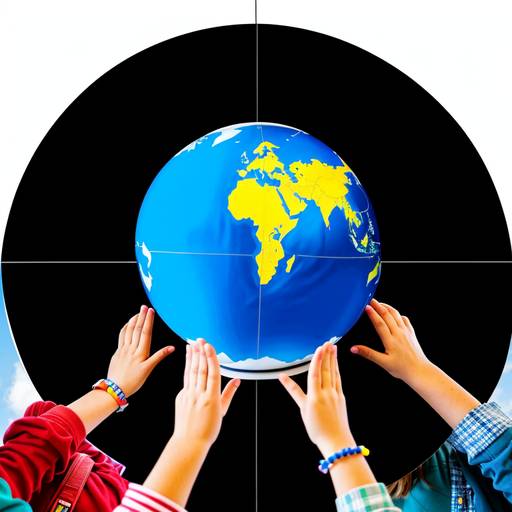
In this 4th-grade math lesson, students will explore the concept of time and time zones, learning how to read both analog and digital clocks. The lesson begins with a discussion about the importance of time and how it varies across the globe. Students will examine a world map to understand the division of the Earth into different time zones and practice converting time between these zones through guided and independent activities. They will work on worksheets that present time conversion problems and create their own scenarios involving different cities' times. The class will come together to review the lesson, emphasizing the significance of understanding time zones in communication and travel. Assessment will be based on worksheet completion and participation, while extensions and adaptations support diverse learners and provide opportunities for deeper exploration of the topic.
In this 4th-grade math lesson, students will explore the concept of time and the significance of time zones. They will learn how to measure time and understand the geographical divisions that cause different areas to have varying local times. The lesson begins with a discussion of students' personal experiences with time differences, followed by direct instruction on how to read time on a clock and convert times between different zones using a world map.
During guided practice, students will work on worksheets to reinforce their understanding of time zone conversions. Following this, they will be divided into small groups, where they will research specific cities from different time zones and create presentations that highlight current local times and cultural activities. The lesson concludes with a recap and a homework assignment focused on further practice with time conversions.
Assessment will be based on class participation, the completion of worksheets, and the quality of group presentations. Extensions will encourage students to engage with the concept of time through tracking their daily schedules and contributing to a classroom "world clock" bulletin board. This comprehensive approach aims to make the concept of time zones relatable and applicable to students’ lives.
In this 4th-grade math lesson, students will engage with the concepts of reading analog and digital clocks, calculating elapsed time, and identifying time patterns. The lesson begins with a discussion on the importance of time, followed by direct instruction on how to read both types of clocks and calculate elapsed time through simple examples. Students will then participate in group activities where they will work collaboratively to match clock times, solve elapsed time problems, and explore patterns. After working independently on worksheets that reinforce these skills, the class will come together to share their discoveries and review key concepts. The lesson will culminate in a quick interactive game to reinforce learning and ensure understanding. Assessment will be informal, based on observations during group work and the evaluation of completed worksheets. Extension activities will provide additional challenges for students ready to advance their understanding further. Adjustments will be made to support diverse learners, ensuring all students grasp the fundamental concepts related to time.
This 4th-grade math lesson focuses on measurement and time, aiming to help students understand how to measure lengths using standard units like inches and centimeters, as well as how to read and interpret time on both analog and digital clocks. The lesson begins with a discussion to activate prior knowledge, followed by direct instruction where the teacher demonstrates measurement techniques and clock reading. Students then engage in guided practice, measuring various classroom objects in small groups and converting given times between analog and digital formats.
Afterward, learners complete a quiz to assess their understanding independently. The lesson concludes with a review of key concepts and a discussion where students can share their experiences. Extensions and adaptations are included to challenge advanced learners and support those needing additional help. Overall, this lesson is designed to provide hands-on activities that enhance students' skills in measurement and time, meeting critical math standards.
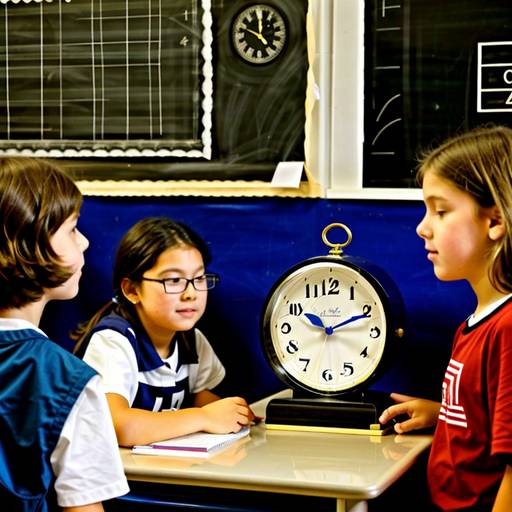
In this 4th-grade math lesson, students will explore the concepts of telling time and understanding time zones. The lesson begins with a discussion highlighting the importance of knowing the time, particularly when traveling and scheduling events. Students will review how to read both analog and digital clocks, followed by an introduction to time zones and how they are divided around the world, utilizing a world map for reference.
Through guided practice, students will engage in a matching activity that pairs cities with their respective time zones and calculate local times based on different starting points. They will also practice drawing times on blank clock faces.
For independent practice, students will complete worksheets featuring problems that require them to read clocks, convert time between zones, and solve word problems related to time and travel. The lesson concludes with a review of key concepts and an exit ticket that allows students to reflect on their learning. Assessment will be conducted through ongoing monitoring and the collection of worksheets to evaluate student understanding. Enrichment opportunities for advanced learners may include discussions on Daylight Saving Time and research projects on global time zones.
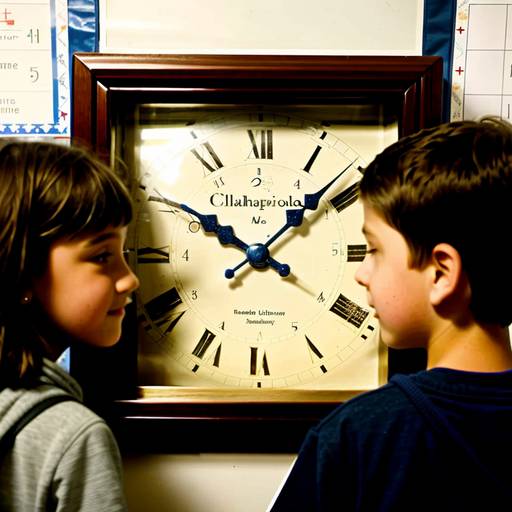
In this 4th-grade math lesson plan, students will focus on understanding time, specifically how to read both analog and digital clocks, as well as calculate elapsed time. The lesson begins with a class discussion to activate prior knowledge about time, followed by demonstrations on reading different clock formats. Students will receive direct instruction on calculating elapsed time through guided examples and will have the opportunity to practice in small groups using scenario cards that pose real-world time-related problems.
They will then engage in independent practice through worksheets designed to reinforce their skills in calculating elapsed time. The lesson concludes with a review of key concepts and a quick assessment to evaluate understanding. Additionally, students will be assigned homework to further solidify their learning. Extensions will be available for advanced students, providing them with more complex calculations involving multiple events. Through interactive activities and practical applications, this lesson aims to make the concept of time relatable and enjoyable for the students.
This lesson plan focuses on teaching 4th-grade students how to tell time and calculate elapsed time. Students will start with an engaging introduction that encourages them to think about time in a fun, imaginative way. The lesson will include direct instruction on reading both analog and digital clocks, followed by an explanation of elapsed time with example problems.
During guided practice, students will work in pairs to manipulate clock worksheets, reinforcing their understanding of telling time and applying their skills to solve elapsed time word problems. Independent practice will allow them to solidify their learning as they complete worksheets with various scenarios.
The lesson will conclude with a review and discussion about the importance of time in everyday life, further connecting their learning to real-world applications. Assessment will be conducted through worksheet collection and informal observation during activities. Extensions and modifications will cater to diverse learning needs, ensuring all students are engaged and challenged.
In this 4th-grade math lesson, students will explore the concepts of measurement and time through engaging activities. The lesson begins with a discussion on the importance of measurement and time in everyday life, followed by a hands-on measurement activity where students work in groups to measure various classroom items using rulers and measuring tapes. They will record their findings in both inches and centimeters and present their results to the class.
After the measurement activity, students transition to learning about time. They will practice telling time using a movable clock and engage in a worksheet exercise that includes questions about time-telling and calculating durations. The lesson concludes with a brief review and an opportunity for students to ask questions.
Assessment will be conducted through the completion of worksheets, group presentations, and observation during activities. Extensions for quicker learners include a "Measurement and Time Scavenger Hunt." For homework, students will create a "Measurement Diary" to record items measured and times checked during their day. Overall, this lesson aims to enhance students' practical skills in measurement and time while making learning interactive and relatable.
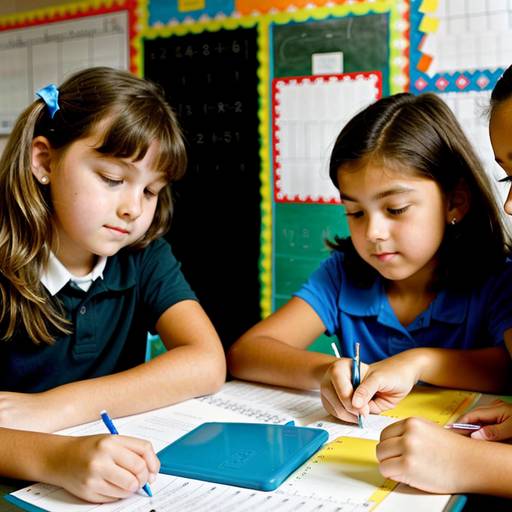
This 4th-grade math lesson focuses on measurement and time, guiding students to understand and convert between different units of time (hours, minutes, seconds) and measure lengths using standard units (inches, feet, centimeters, meters). The lesson begins with an engaging discussion about daily activities related to time, followed by a demonstration on how to tell time and understand time conversions.
Students are introduced to measurement concepts and tools, such as rulers, and practice measuring classroom items. In small groups, they engage in a hands-on activity where they measure various objects and time simple tasks, recording their results. The independent practice involves solving a worksheet that combines measurement and time conversion problems, reinforcing the concepts learned.
The lesson concludes with a review and discussion of how time and measurement play important roles in everyday life. Assessment is conducted through observation during group activities and evaluation of worksheet accuracy. An extension activity allows interested students to further explore measurement by creating a "Measurement Collage." Overall, this lesson aims to build students' confidence and practical skills in measurement and time.
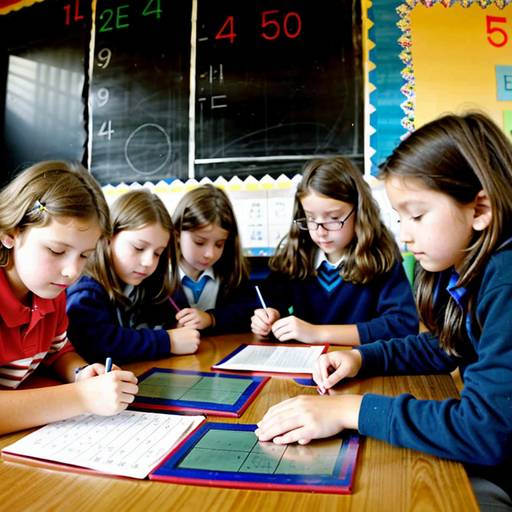
In this 4th-grade math lesson, students will explore the concepts of time and time patterns through engaging activities. The lesson begins with a discussion on the significance of time in daily life, followed by instruction on how to read both analog and digital clocks. Students will learn about time patterns, such as intervals of 15 minutes, 30 minutes, and 1 hour, using relatable examples.
During guided practice, students will work with analog clocks to set various times and discuss corresponding time patterns in pairs. They will then complete a worksheet that includes reading clocks and solving word problems related to time independently. The class will come together to review worksheet answers and reflect on the importance of understanding time in real-life scenarios.
To assess student understanding, the teacher will evaluate worksheet responses and observe participation throughout the activities. The lesson will include differentiation strategies for students of varying skill levels and offer extensions, such as creating a personal daily schedule. The overall goal is to provide students with a solid grasp of time and its patterns, making math both engaging and relevant to their everyday experiences.