
Filters
Level
Grade
Subject
Subject Area
Subject Topic
Standard(s)
Audience
Keyword
DurationMinutes
4th Grade Budgeting Lesson Plans


In this 4th grade math lesson, students will explore the concepts of money, budgeting, and making financial choices. The class will begin with a discussion about the role of money in everyday life and the importance of budgeting. Following a mini-lesson on how to create a budget template that includes sections for income, expenses, and savings, students will work in small groups to manage a set amount of play money, making decisions about how to allocate funds for various items represented by flashcards.
The lesson consists of two main activities: first, students will collaboratively design a budget, prioritizing their spending based on needs versus wants. Next, they will engage in a marketplace simulation where they can "purchase" items with their play money, reinforcing their budgeting decisions.
To conclude, groups will present their budgets and spending choices, reflecting on their experiences and the lessons learned about financial management. Assessment will be based on group participation, completed budget worksheets, and discussions on budgeting challenges. Extensions could involve tracking personal allowances or discussing real-world budgeting scenarios, furthering their understanding of financial responsibility.
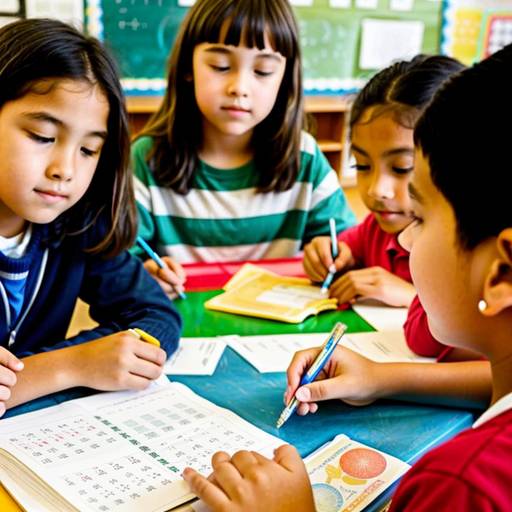
This 4th-grade math lesson focuses on the concepts of money and budgeting. The lesson begins with an engaging discussion about the purposes of money, followed by an introduction to budgeting and its significance in managing finances. Students review different coins and bills before working through an example scenario where they must allocate a budget for a birthday party.
In guided practice, students break into small groups to create a budget for an event using play money, calculating their total expenses against a fixed budget. They then work independently on a budget worksheet, planning their hypothetical event expenditures. The lesson concludes with a few students sharing their budgets and decisions, reinforcing the importance of making thoughtful spending choices. Assessment is conducted through observation and review of the worksheets, while a follow-up activity encourages students to track their spending habits at home. This approach promotes collaboration, critical thinking, and real-world application of math skills.
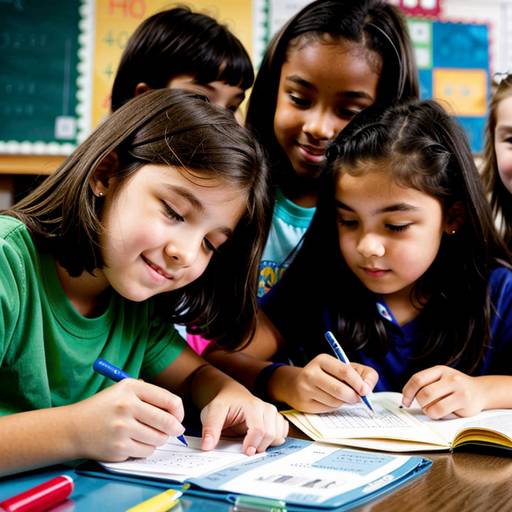
In this engaging math lesson for 4th graders, students will learn the fundamentals of money management, focusing on identifying the values of different coins and bills and understanding basic budgeting concepts. The lesson begins with a discussion about money and its role in daily life, followed by hands-on activities that allow students to practice recognizing and using play money.
Next, students will explore common expenses and the components of a budget, collaboratively creating a sample budget for a class project. They will then complete a worksheet where they allocate a hypothetical amount of money to various wants and needs, fostering practical budgeting skills.
In pairs, students will discuss their budgeting choices and share their decisions with the class, reinforcing the lesson’s concepts. The class will conclude with reflections on the importance of managing money and making informed spending choices, alongside considerations for future lessons that could deepen their understanding of financial literacy.
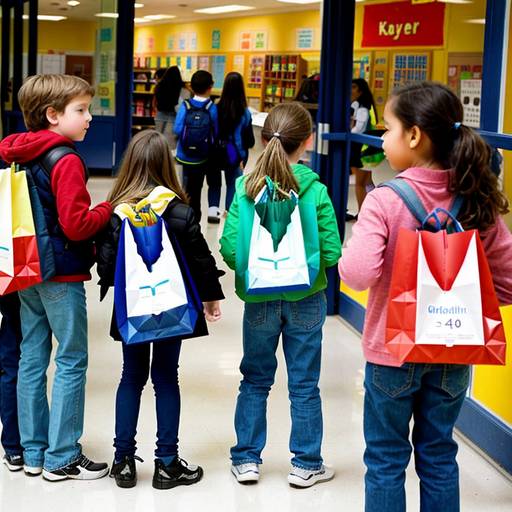
In this engaging 4th-grade lesson, students explore essential concepts related to money, budgeting, and smart spending through interactive activities. The lesson begins with a discussion on the importance of money in everyday life, introducing key vocabulary such as "budget," "expenses," "savings," and "spending." Students learn how to create a simple budget and categorize expenses as needs or wants.
The main activity involves dividing students into small groups, where they receive a set amount of play money to "shop" in a mock store stocked with labeled items. Each group must fill out a budget worksheet while keeping track of their spending and making decisions about their purchases. Afterward, groups present their shopping choices and explain their budgeting strategies to the class.
The lesson concludes with a reflective discussion on the challenges faced in staying within a budget and the importance of distinguishing between needs and wants. Assessment focuses on group participation, completed worksheets, and student reflections on their learning experience. Extensions for the lesson include discussions about saving for larger items and an introduction to understanding interest in future lessons, equipping students with essential life skills in money management.