
Filters
Level
Grade
Subject
Subject Area
Subject Topic
Standard(s)
Audience
Keyword
DurationMinutes
4th Grade Measurement Lesson Plans

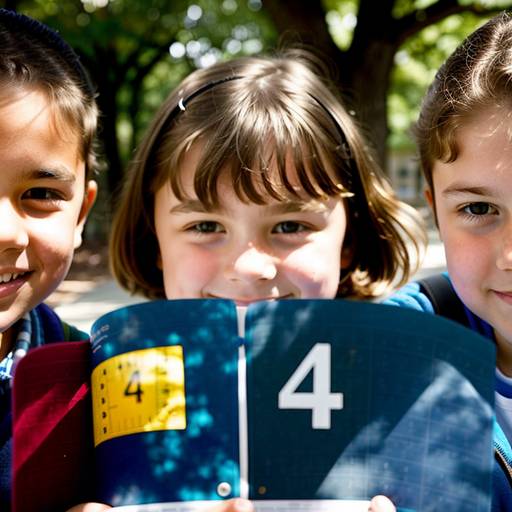
In this 4th-grade math lesson plan, students will explore the concepts of length measurement and temperature. They will learn to measure objects using both inches and centimeters, while also understanding how to read thermometers in Fahrenheit and Celsius scales. The lesson includes direct instruction on measurement techniques and temperature conversions, where students will practice converting between the two temperature scales.
Students will work in small groups, participating in hands-on activities where they measure various objects and conduct a temperature experiment using warm and cold water. They will predict, measure, and then convert the temperatures they record, enhancing their understanding through practical application.
The lesson concludes with group presentations of their findings and a reflection on the real-world applications of measurement and temperature in daily life. Optional homework will involve monitoring and recording daily temperatures, reinforcing the skills learned in class. Assessment will involve observing participation during activities, reviewing group posters for accuracy, and checking the submitted homework for understanding. Extensions of the lesson could explore weather reporting and the impact of environmental factors on temperature.
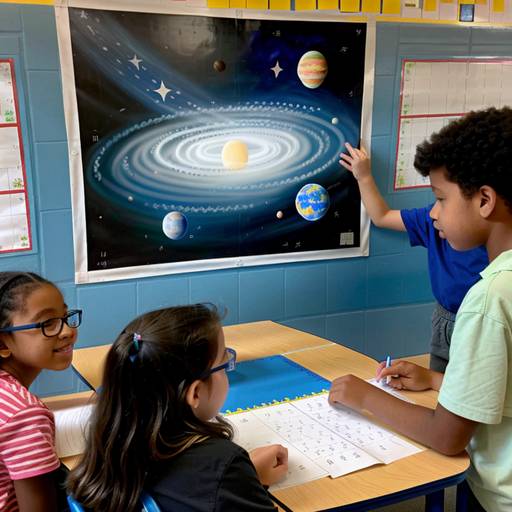
This 4th-grade math lesson focuses on teaching students the concepts of measurement and area through interactive and hands-on activities. The lesson begins with a discussion about the significance of measurement in everyday life and introduces the concept of area as the space inside shapes, specifically rectangles. Students learn how to measure length and width using rulers and apply the formula for calculating area: Area = Length × Width.
During guided practice, students work in small groups to measure various rectangular objects in the classroom and calculate their areas. Afterward, they individually complete a worksheet featuring several rectangles to reinforce their understanding. The lesson concludes with a review of key concepts, allowing students to share their measurements and calculated areas. Assessment is conducted through observation during group work and the evaluation of completed worksheets, ensuring that all students grasp the material. Differentiation strategies are included to support diverse learning needs, and extensions offer opportunities for further exploration of measurement concepts.
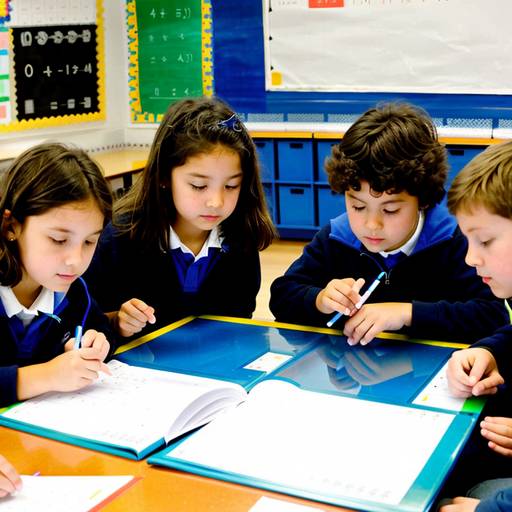
In this 4th-grade math lesson, students will explore the concepts of measurement and volume through a combination of direct instruction, guided practice, and hands-on activities. The lesson begins with a discussion about the importance of measurement in everyday life, followed by an introduction to volume, cubic units, and the formula for calculating the volume of rectangular prisms.
Students will work in pairs to measure the dimensions of various rectangular containers using rulers or measuring tapes and then calculate their volume using the introduced formula. The hands-on component involves filling the measured containers with water or using blocks to observe the concept of volume in action, allowing students to compare their estimations and calculations.
The lesson concludes with a recap of key concepts, a brief formative assessment to gauge understanding, and a preview of the next lesson about measuring volume in irregular shapes. Adaptations are included to support varying levels of learner needs, and extension activities encourage further exploration of measurement and volume through real-world applications.
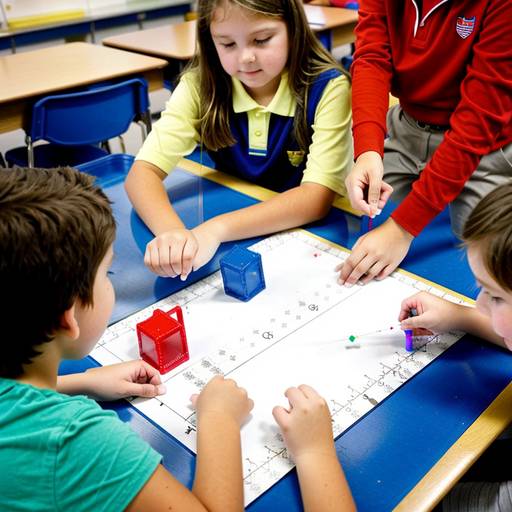
This 4th-grade math lesson focuses on the concepts of measurement, specifically weight and length, encouraging students to explore and practice these skills through hands-on activities. Students will learn to differentiate between weight and length and use standard units such as grams, kilograms, centimeters, and meters. The lesson begins with an introduction to measurement, followed by direct instruction on how to properly use scales and rulers. In guided practice, students work in small groups to measure and record the weight and length of various classroom objects. During independent practice, they will complete a worksheet where they measure additional objects of their choice and document their findings. The lesson concludes with a class discussion where students share their results and reflect on the importance of measurement in everyday life. Assessment will be based on the completed worksheets and observations of group interactions. Accommodations are provided for students needing extra support, and extensions are suggested for those ready to explore advanced concepts.
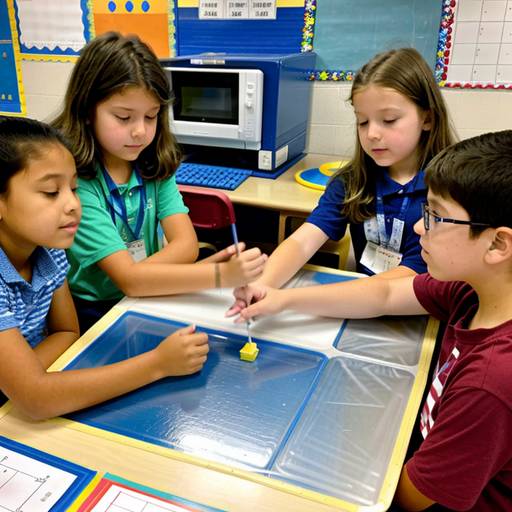
In this 4th-grade mathematics lesson, students will explore the concepts of measurement and area. The lesson begins by engaging students in a discussion about the importance of measurement in everyday life. They will learn to use rulers and measuring tapes to accurately measure the length and width of various classroom objects. Through direct instruction, students will be introduced to the formula for calculating area (Area = Length × Width) and will practice measuring and calculating area during guided activities.
In small groups, students will measure different objects, record their findings, and calculate the area for each. After the guided practice, they will work independently on worksheets to reinforce their understanding of area calculations. An optional extension activity allows students to create a mini garden on grid paper, incorporating their area calculations into a creative project.
The lesson concludes with a class discussion, where students share their measurements and findings, solidifying their understanding of how measurement and area apply to real-world scenarios. Assessment will be conducted through monitoring group work, reviewing worksheets, and checking for collaboration and accuracy, ensuring that all students grasp the fundamental concepts. Differentiation strategies will be employed to support students who may need additional help, as well as offering challenges for those ready to advance their skills.
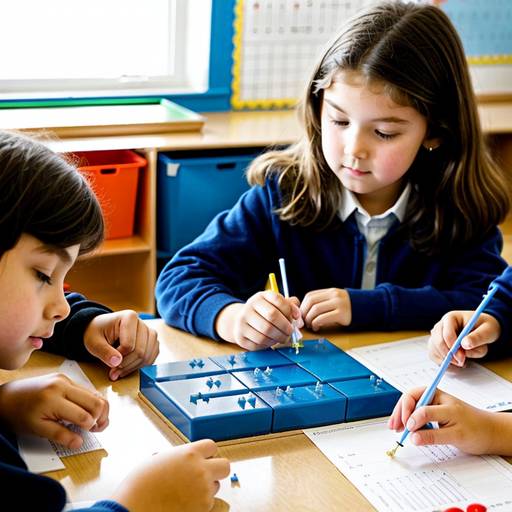
In this 4th-grade math lesson, students are introduced to the concepts of measurement and volume. The lesson begins with a discussion on real-life applications of measurement, followed by direct instruction on using standard units such as cups, pints, quarts, and liters. Students are then divided into small groups for a hands-on activity where they measure the volume of various containers using measuring cups and record their findings, while also practicing unit conversions. After the group activity, students participate in a class discussion to share their discoveries and challenges. The lesson concludes with an assessment in the form of a worksheet that includes volume-related problems and word problems. Throughout the lesson, differentiation strategies are incorporated to meet the diverse needs of students, ensuring all can engage with the material effectively. Reflection on student engagement and understanding is encouraged for future lesson adjustments.
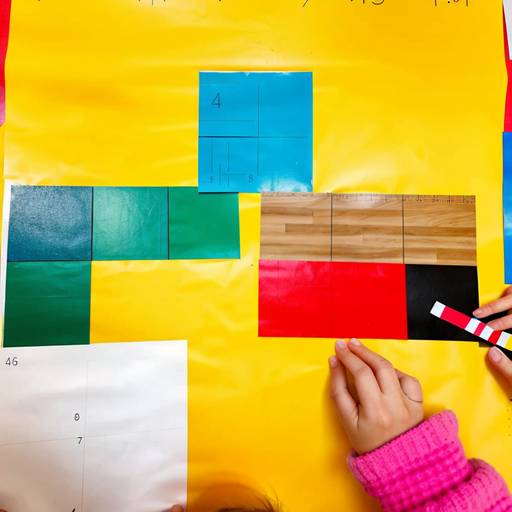
In this 4th-grade math lesson, students will explore the concepts of measurement and perimeter through engaging hands-on activities. The lesson begins with a discussion on the importance of measurement and introduces perimeter as the distance around shapes, including the relevant formula for rectangles. Students will practice measuring various classroom objects in small groups during a scavenger hunt, where they will calculate the perimeter based on their measurements. Following the scavenger hunt, each student will draw a rectangle on graph paper, measure its dimensions, and determine its perimeter. The lesson concludes with a review of key concepts, allowing students to share their findings. Assessment will be based on observation during activities and the collection of worksheets and drawings. Extensions and adaptations are included to cater to diverse learning needs, ensuring that all students can engage meaningfully in the exploration of measurement and perimeter.
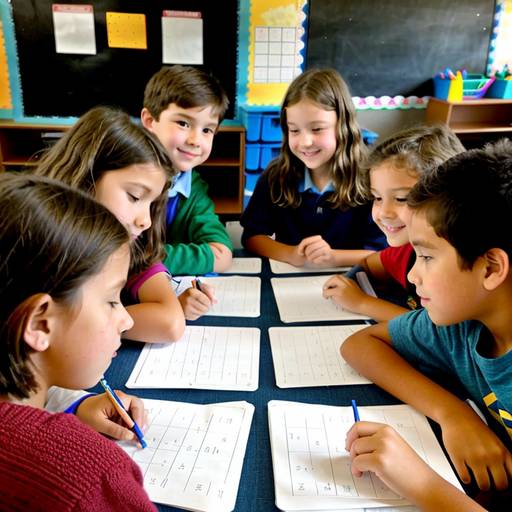
This 4th-grade math lesson focuses on the concepts of measurement and length, emphasizing the importance of these skills in everyday life. Students will learn to accurately measure various objects using standard units such as inches, feet, centimeters, and meters. The lesson begins with a discussion about the significance of measurement, followed by a demonstration of using rulers and measuring tapes.
Students will work in pairs to practice measuring classroom objects and recording their findings on worksheets, reinforcing correct measuring techniques and unit identification. After guided practice, they will independently measure specific items in the classroom and document their results, while creating a comparison chart.
The lesson concludes with a sharing session where students present their measurements, followed by a recap of the key concepts learned. To assess understanding, the teacher will observe participation, review the worksheets, and assign a homework task encouraging students to measure an item at home. Extensions for advanced learners and adaptations for students needing additional support are also included to enhance learning outcomes.
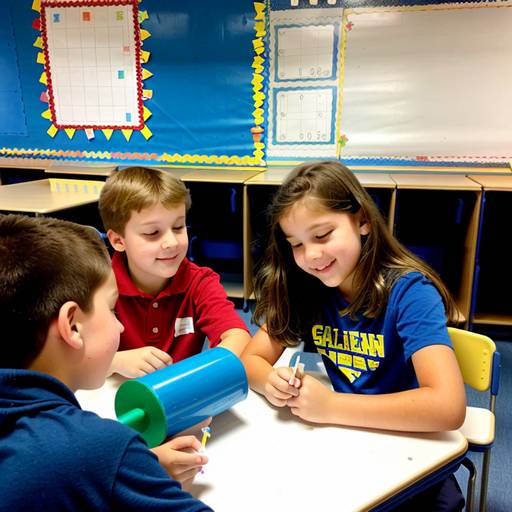
This 4th-grade math lesson focuses on measurement and length, enabling students to grasp the concepts of measuring using standard units such as inches, feet, centimeters, and meters. The lesson begins with a discussion about the importance of measurement in everyday life and introduces key vocabulary. Following direct instruction on using rulers and meter sticks, students engage in guided practice by measuring various classroom objects in pairs and recording their measurements.
In independent practice, students create a Length Comparison Chart to display their findings and write short comparisons about the lengths of the measured objects. The lesson concludes with a group discussion to reflect on their measurements and the significance of using different units. Assessment involves reviewing worksheets and participation, while differentiation strategies are provided to support all learners. Extensions include planning a measurement scavenger hunt and introducing unit conversions in future lessons. Overall, the lesson promotes hands-on engagement, collaboration, and practical application of measuring skills.
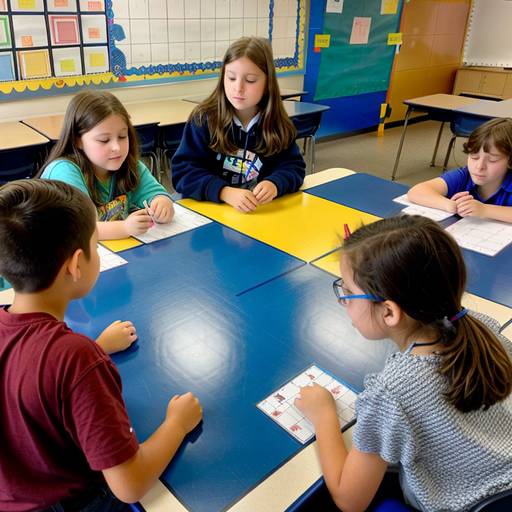
In this 60-minute math lesson designed for 4th graders, students will explore the concepts of measurement and area through hands-on activities involving objects in their classroom. The lesson begins with a discussion of area and its practical applications, followed by a demonstration of how to calculate area using the formula Area = Length x Width.
Students will then engage in guided group practice by measuring various classroom objects, recording their findings, and calculating their areas. After that, they will work independently to measure and draw another object of their choice, applying what they've learned to calculate its area on grid paper.
The lesson concludes with a class discussion where groups share their calculations and observations, reinforcing their understanding of area. Assessment will be informal, through observation and review of students’ completed work, ensuring they grasp the concept. Extensions and support strategies are included for diverse learners to enhance engagement and understanding.