
Filters
Level
Grade
Subject
Subject Area
Subject Topic
Standard(s)
Audience
Keyword
DurationMinutes
4th Grade Comparing Fractions Lesson Plans

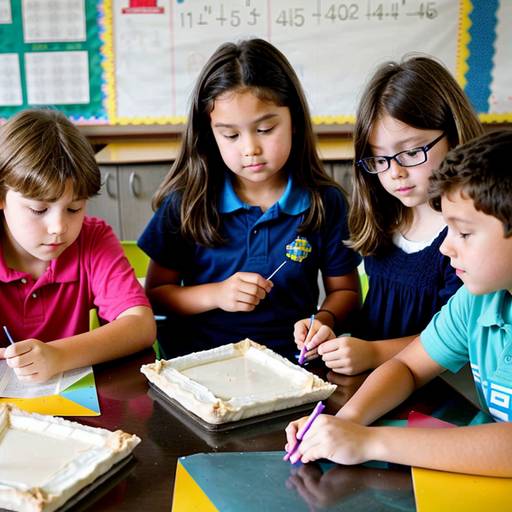
In this engaging 60-minute math lesson for 4th graders, students will explore the concept of fractions and learn how to compare them effectively. The lesson begins with a warm-up discussion regarding fractions as parts of a whole, using visual representations such as paper plates divided into different fractions.
During direct instruction, students will be introduced to rules for comparing fractions, including techniques for both like and unlike denominators. Following this, they will participate in a hands-on activity where they color and label their paper plates, allowing them to visualize the fractions they are working with. Paired activities will encourage students to compare their fractions and discuss their findings with a partner, fostering collaboration and deeper understanding.
For independent practice, students will complete worksheets featuring various fraction comparison problems that reinforce the concepts learned. The lesson concludes with a review, inviting students to share their answers and reasoning, and offers opportunities for extension with more advanced topics for those ready to dive deeper. Assessment will involve observing student participation and reviewing worksheet responses for comprehension. This interactive approach aims to build both understanding and enthusiasm for working with fractions.
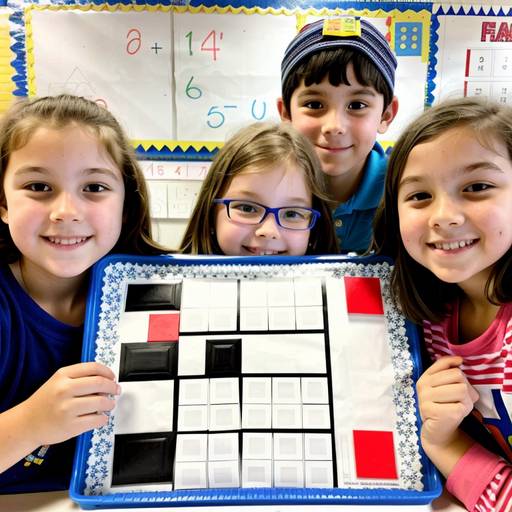
This 4th-grade math lesson focuses on teaching students about fractions and how to compare them effectively. The lesson begins with an engaging discussion to introduce the concept of fractions as parts of a whole, using real-life examples. Students will learn to compare fractions through direct instruction involving visual models, such as fraction circles, and methods for finding common denominators.
During guided practice, students will work in pairs to create and compare their own fractions using hands-on materials and write their comparisons using symbols (<, >, =). Following this collaborative activity, students will complete a worksheet that reinforces their understanding by requiring them to visualize and compare fractions both numerically and on a number line.
The lesson concludes with a class recap where students share their findings and reflect on the concepts learned. Assessment will be based on observation during activities and evaluation of the completed worksheets, with accommodations provided for different learning needs. The overall goal is to ensure students grasp the foundational skills related to fractions and can confidently compare them in various contexts.