
Filters
Level
Grade
Subject
Subject Area
Subject Topic
Standard(s)
Audience
Keyword
DurationMinutes
4th Grade Art Techniques Lesson Plans

This art lesson plan for fourth-grade students focuses on introducing them to basic printmaking techniques using everyday materials. Over the course of two to three class periods, students will engage in hands-on activities that inspire creativity and exploration. Initially, they will learn about printmaking and the materials involved, including Styrofoam and brayers, while discussing the elements of good design.
In the first session, students will create their own printing plates by sketching designs on Styrofoam and then applying paint to prepare for printing. They will incorporate natural objects to enhance the textures of their prints. The subsequent class will allow them to transfer their designs onto heavyweight paper, generating multiple prints and experimenting with various techniques.
By the final session, students will have the opportunity to add finishing touches to their artwork and present their prints in a gallery-style format, allowing for peer observation and feedback. The lesson emphasizes creativity, engagement with nature, and collaboration, while also addressing art standards related to creation, response, and connection to the world. Assessment will focus on participation, originality, and presentation, fostering a reflective discussion about the creative process and the relationship between art and nature.
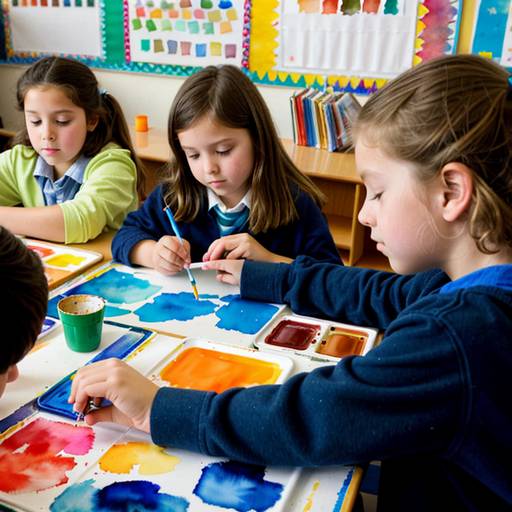
In this engaging 4th-grade art lesson, students will explore the world of watercolor painting by learning fundamental techniques such as wet-on-wet and wet-on-dry application, as well as gradient blending. The session begins with an introduction to various watercolor styles through visual examples, followed by a demonstration where the teacher showcases how to mix colors and execute the different techniques effectively.
Students will then have the opportunity to create their own original artwork on watercolor paper, encouraged to think creatively about themes such as nature or emotions. As they paint, they will apply the techniques they learned, experimenting with color mixing and brushwork.
Throughout the activity, the teacher will circulate, providing support and positive feedback. Upon completion, students will share their creations with a partner and have the chance to present their work to the class, discussing their artistic choices and experiences. The lesson concludes with a cleanup session and a reflection on the skills learned, allowing students to express their enjoyment and new insights gained from the painting process. Overall, this lesson promotes creativity, artistic expression, and a hands-on understanding of watercolor techniques.
In this 4th-grade art lesson, students will explore the technique of collage through the creation of nature-themed artworks. The lesson spans two class sessions, during which students will learn about the concept of collage and its significance in the art world, as well as identify various materials that can be used in their projects.
In the first session, students will engage in brainstorming activities to generate ideas about elements of nature, followed by an exploration of different materials they can incorporate into their collages. They will then sketch a rough design to plan their compositions.
During the second session, students will bring their sketches to life by assembling their collages, focusing on layering techniques to enhance texture and depth. After completing their artwork, students will share their creations in small groups, discussing their artistic choices and experiences. The lesson emphasizes creativity, composition, and the use of diverse materials, along with opportunities for reflection and assessment based on engagement and collaboration.
Extensions to the lesson include the possibility of creating a class collage and organizing a gallery walk. Modifications are available for students needing additional support, ensuring all learners can participate in this engaging art-making experience.
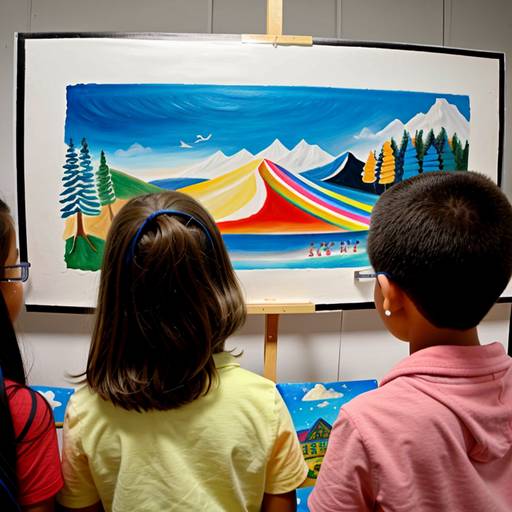
In this 4th-grade art lesson, students will explore basic painting techniques using both watercolor and acrylic paints. The lesson begins with a warm-up discussion about landscapes, allowing students to share personal experiences and view examples of various landscape artworks. Students will learn about color mixing, practicing with primary and secondary colors before sketching their own landscape scenes.
During the painting process, students will be divided into two groups based on their preferred medium, focusing on specific techniques such as blending, layering, and texturing. They will then create their colorful landscape paintings.
As the lesson concludes, students will present their artwork to the class, reflecting on their creative choices and the challenges they faced. Clean-up procedures will be discussed to ensure proper care for art materials. Assessment will be based on participation, effort, and creativity in their final pieces. Extension activities and adaptations are provided to accommodate diverse learners and encourage further artistic exploration.
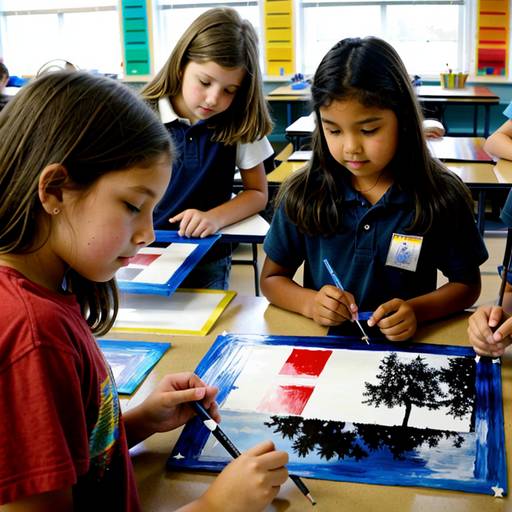
This lesson plan for 4th-grade students introduces printmaking techniques through a hands-on exploration of natural materials. Over two class periods, students engage in creating original prints inspired by nature. They learn how to design and carve printing plates using foam or cardboard, which they use to make relief prints. In the second class, students experiment with natural items like leaves and flowers to create unique prints, applying paint to these textures and pressing them onto paper. The lesson emphasizes creativity and expression as students arrange their prints into a collage. Throughout the process, students reflect on their experiences, discuss their techniques and designs, and showcase their artwork in a collaborative environment. Assessment focuses on creativity, technique application, and student engagement during both sessions.
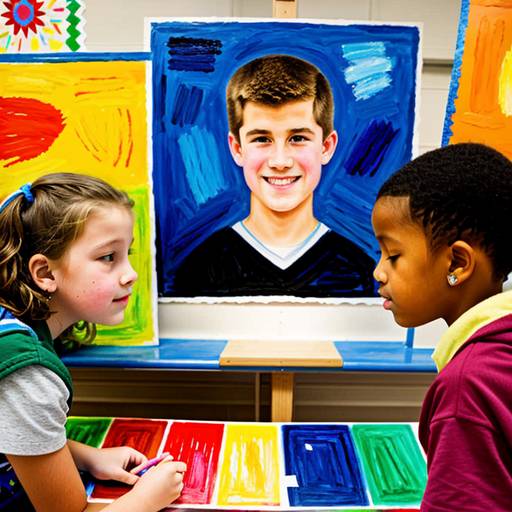
In this 4th-grade art lesson, students will explore the connection between color and emotion by creating personal drawings that represent specific feelings. The lesson begins with a discussion about emotions and how colors can evoke different responses, using a chart to illustrate common color associations. Following a demonstration of various drawing techniques such as shading and blending, students will select an emotion from provided cards and sketch a rough draft of their artwork.
Using colored pencils, crayons, or optional watercolors, they will apply the techniques demonstrated to enhance their expressive drawings. The activity culminates in a sharing session, where students present their artwork, explain their chosen emotions, and discuss their creative choices. The lesson emphasizes creativity, emotional expression, and the application of art techniques, with opportunities for both guided support and advanced exploration for students with varying skill levels.
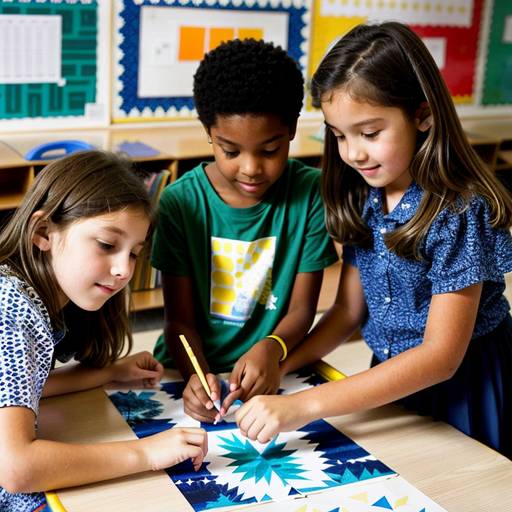
In this lesson plan designed for 4th-grade students, learners will delve into the world of printmaking by exploring texture and pattern inspired by nature. The lesson spans two class periods, beginning with an introduction to natural textures and the fundamentals of relief printing. Students will carve their own printing plates using soft foam or cardboard, applying various nature items to create unique designs. Following this, they will create prints using paint and explore color layering techniques.
In the second class, students will apply paint to their plates and make prints, culminating in a sharing session where they reflect on their creative processes and artistic choices. Assessment will focus on participation, creativity, and the techniques applied. Extensions include keeping a printmaking journal and gathering natural materials for additional projects. This engaging lesson combines hands-on art-making with an appreciation for the textures found in the environment.
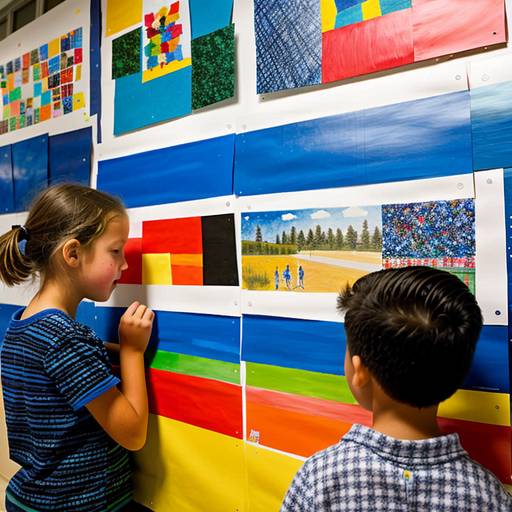
In this 4th-grade art lesson, students will explore the art technique of collage by creating their own layered masterpieces. The lesson begins with an introduction to the concept of collage and its historical significance, accompanied by examples from notable artists. Students will then brainstorm personal themes related to their hobbies, interests, or memories, which will serve as the foundation for their collages.
After a brief exploration of the available materials, including magazines, newspapers, and various decorative items, students will arrange their chosen pieces on a base before gluing them down. The focus will be on layering and creating visual interest through balance and contrast. Once completed, students will have the opportunity to share their collages with classmates, explaining their artistic choices and the meanings behind them.
Reflective discussions will emphasize the learning experience and the capabilities of collage as a medium for expression. Assessment will involve observing participation and creativity, as well as evaluating the final collages based on their artistic quality and the effectiveness of their thematic representation. Additionally, extensions of the lesson may include writing descriptions of the collages and organizing a gallery walk for peer appreciation. Adaptations will be made for students needing extra support or for those seeking to challenge themselves further with mixed media techniques.
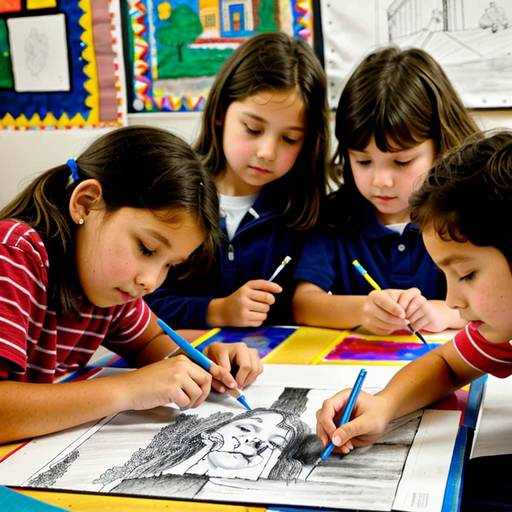
In this 4th-grade art lesson, students will explore the concepts of line types and layering techniques to create depth in their drawings. The lesson begins with a discussion on depth and how various lines can convey texture, followed by a demonstration showcasing different line types and layering in a drawing. Students then engage in guided practice by collaboratively drawing a layered landscape, applying the techniques discussed. Afterward, they will independently create their own artwork using their understanding of lines and layering to depict a chosen theme. The lesson concludes with a gallery walk, allowing students to share their work and reflect on the techniques used. Assessment will focus on students’ application of line and layering techniques in their artwork, and extensions may include artist statements and further exploration of color blending.

In this 4th-grade art lesson, students will explore collage as an artistic technique by creating their own mixed media artworks that express personal themes or concepts. The lesson is structured over two sessions, beginning with an introduction to collage and its history, followed by an exploration of various materials such as construction paper, magazines, and natural elements. Students will brainstorm and prepare their ideas and materials before transitioning to the creation of their collages. They will implement concepts of composition and balance while focusing on creativity and self-expression. The lesson concludes with a sharing session, where students reflect on their process and artworks. Assessment will be based on participation and the creativity demonstrated in their final pieces. Optional extensions include collaborative projects and the introduction of additional art techniques.