
Filters
Level
Grade
Subject
Subject Area
Subject Topic
Standard(s)
Audience
Keyword
DurationMinutes
4th Grade Art Periods Lesson Plans

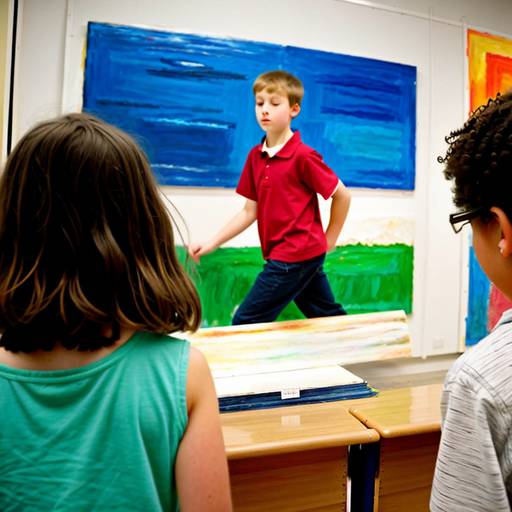
In this 4th-grade art history lesson, students will explore various art periods, including Impressionism, Cubism, and Pop Art, to understand their defining characteristics. The lesson begins with a discussion about the significance of art and a presentation of iconic artworks from different periods. Students will work in small groups to investigate and present information on assigned art movements, fostering collaboration and critical thinking. Following the presentations, each student will create their own mixed-media artwork inspired by their favorite art period, incorporating its distinctive elements. The lesson concludes with a class gallery walk, where students share their creations and reflect on what they learned, promoting both artistic expression and an understanding of art history. Assessment will focus on participation, creativity, and the connection between their artworks and the art movements studied. Additionally, options for extending the lesson to further engage with art history concepts are included.
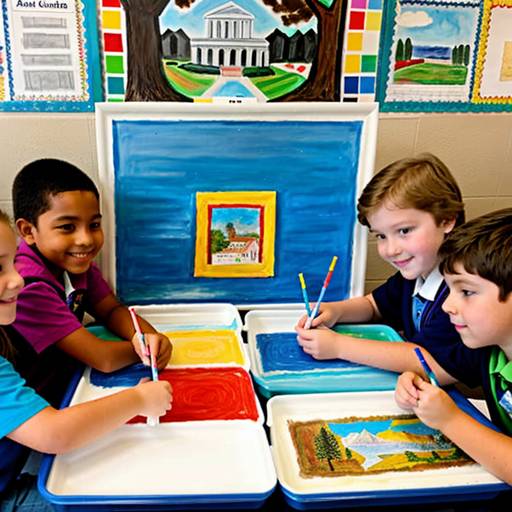
In this 4th-grade art lesson, students will explore various art periods in history, including Renaissance, Impressionism, Cubism, and Modern Art. The lesson begins with a brief introduction to the significance of art history, highlighting key characteristics and notable artists from each period through visual aids.
Students will then work in small groups, where they will discuss their assigned art period and prepare a presentation that includes an artist and artwork they find interesting. Following the presentations, each student will create their own artwork inspired by the techniques and themes of their group's art period, using watercolors or colored pencils on construction paper.
Finally, students will showcase their creations in a show-and-tell format, explaining how their artwork relates to the art period they studied. This lesson encourages creativity while enhancing understanding of how art reflects cultural values and historical context. Assessments will focus on participation in discussions, the quality of the presentations, and the creativity and relevance of the completed artworks. Extensions include creating a gallery display of student works for the school community.
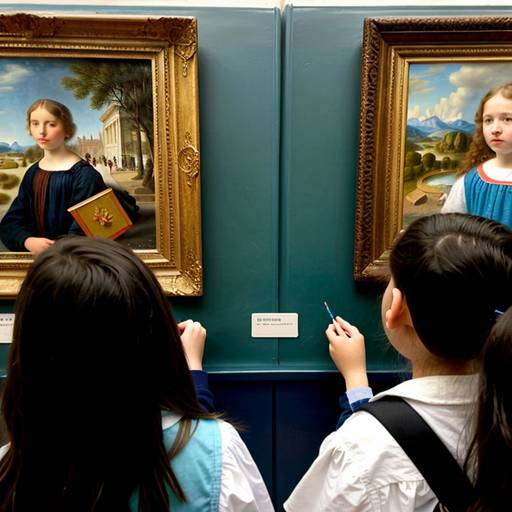
In this 4th-grade art lesson, students will explore significant art periods in history, such as the Renaissance, Impressionism, Cubism, and Pop Art. The lesson begins with an engaging presentation that highlights key characteristics of each period and showcases famous artworks. Following the presentation, students will participate in a discussion about their favorite periods and artists. They will then create their own original artwork, inspired by the styles and techniques of the chosen period, using various materials such as colored pencils and paints. The lesson will conclude with a sharing session where students display their creations and reflect on their inspirations. Assessment will focus on participation, creativity, and connection to the selected art period. Extensions may include further research on specific artists or a classroom art gallery display. This lesson aims to foster an appreciation for art history while encouraging personal expression.
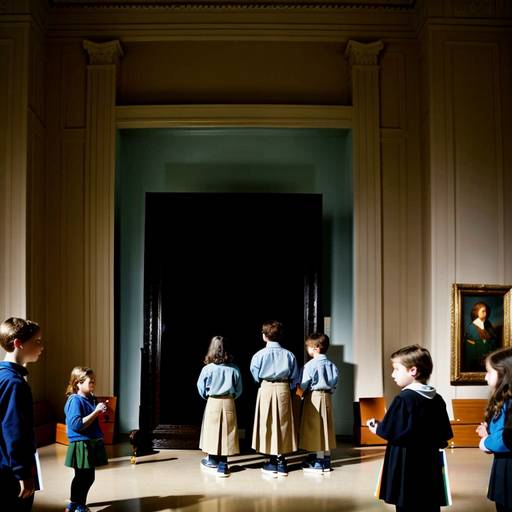
This 4th grade art lesson plan aims to introduce students to significant art periods throughout history, including the Renaissance, Impressionism, Cubism, and Modern Art. The lesson is divided into two class periods.
In the first session, students engage in discussions about art, followed by a presentation that highlights key artists and distinctive elements of each art period. They also participate in a class discussion regarding historical influences on art and are assigned to research an artist from the period they find most interesting for the next class.
During the second class, students reflect on their research, then create their own artwork inspired by their chosen art period using various mediums. The session culminates in a gallery walk, where students display their creations and receive feedback from their peers.
The lesson emphasizes participation, creative expression, and comprehension of art history, allowing students to connect with the material personally. Extensions include creating a bulletin board display of student artwork and organizing a field trip to an art museum. Additionally, a language arts connection encourages students to write biographies or fictional stories about their chosen artists, reinforcing their learning.