
Filters
Level
Grade
Subject
Subject Area
Subject Topic
Standard(s)
Audience
Keyword
DurationMinutes
4th Grade Ceramics Lesson Plans

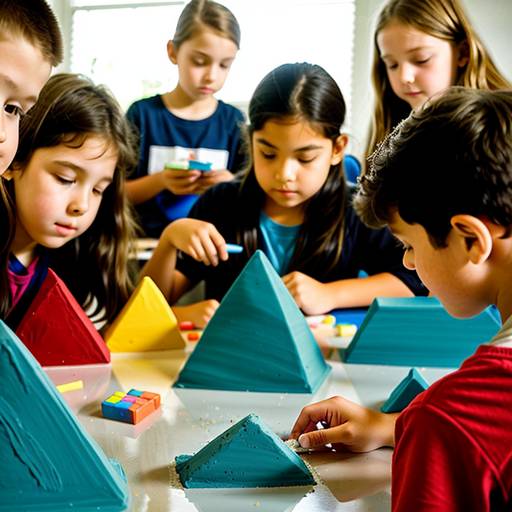
In this 4th-grade art lesson focused on ceramics, students will explore various art forms by creating their own unique clay sculptures. The lesson begins with an introduction to ceramics, including a discussion of shapes and textures, accompanied by visual examples from art history. After demonstrating basic hand-building techniques such as pinching, coiling, and slab building, students will have the opportunity to design and construct their own sculptures using these techniques.
Throughout the creation process, students will be encouraged to brainstorm and sketch ideas, applying their newfound skills to bring their artistic visions to life. The lesson includes time for clean-up and concludes with a sharing session where students present their creations and reflect on what they’ve learned about forms, functions, and the techniques employed. This engaging hands-on experience will inspire students to express their creativity while deepening their understanding of three-dimensional art.
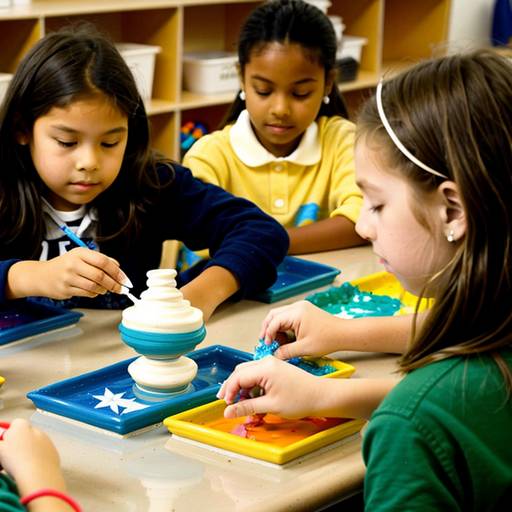
In this 4th-grade art lesson plan, students will explore the art form of ceramics by creating their own clay sculptures. The lesson spans two class periods, starting with an introduction to ceramics, discussing its cultural significance, and showcasing various ceramic art forms. After a demonstration of basic hand-building techniques such as pinching, coiling, and slab-building, students will brainstorm their ideas and sketch their designs.
In the first class, students will begin working with clay, applying the techniques demonstrated while expressing their creativity. In the second class, they will refine their projects and, depending on the type of clay used, either paint their creations or learn about glazing for kiln-fired pieces. The lesson culminates in a presentation session where students will share their works and insights regarding their artistic process, fostering an understanding of personal expression in art. Assessment will focus on participation, the final sculpture, and the presentation.
Extensions include organizing a classroom art exhibit to showcase the students' finished sculptures and exploring more advanced ceramic techniques in future lessons.
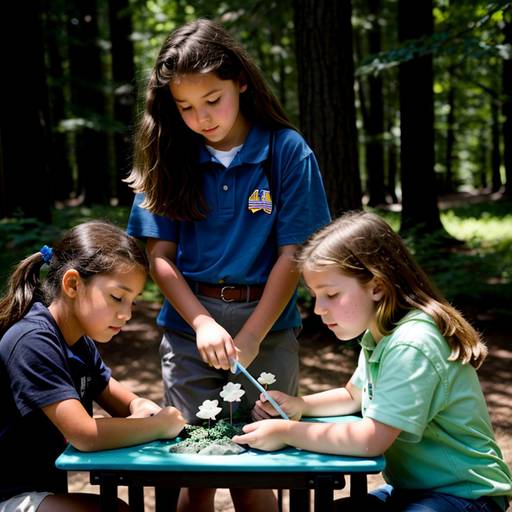
In this 4th-grade art lesson, students will delve into the world of ceramics by creating clay sculptures inspired by various plants and animals. The lesson spans two class periods, beginning with an introduction to the significance of ceramics in different cultures and an exploration of textures and forms in nature. Students will brainstorm and sketch their ideas before starting to sculpt their chosen flora or fauna, focusing on detail and form.
During the second class, students will finalize their sculptures and learn about painting and glazing techniques. They will apply their understanding of color and texture as they enhance their creations. The lesson culminates in a gallery walk where students can share their work with peers and reflect on the artistic process. This project fosters creativity, observation skills, and an appreciation for the natural world, integrating art with elements of science.
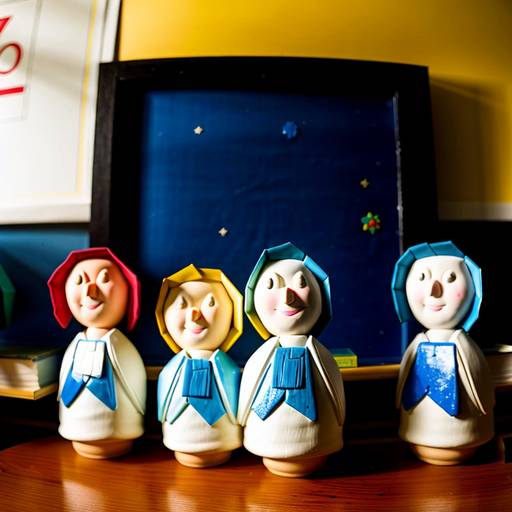
In this 4th-grade art lesson focused on ceramics, students will explore the world of clay sculpture by creating imaginative creatures. The lesson spans two class periods, allowing students to first sketch their ideas and then sculpt their creations using basic hand-building techniques such as pinch pots and coil building. They will be introduced to different forms of clay art, with opportunities for experimentation and expression.
In the first class, students will engage in sketching their plans based on inspirations from animals and mythical beings, followed by hands-on sculpting time where they can bring their ideas to life. During the second class, they will learn about surface decoration and glazing techniques or painting if using air-dry clay. Throughout the process, students will share their creations, reflecting on their artistic journey and the challenges they faced. This lesson not only promotes creativity and fine motor skills but also encourages collaboration and communication through peer critiques and group discussions. The completed sculptures can be displayed, celebrating the students' imaginative spirit and artistic achievements.