
Filters
Level
Grade
Subject
Subject Area
Subject Topic
Standard(s)
Audience
Keyword
DurationMinutes
3rd Grade Robot Building Lesson Plans
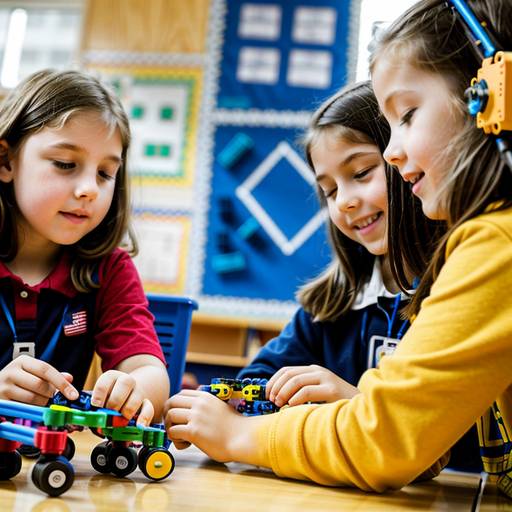
In this 3rd-grade technology lesson, students will explore the exciting world of robotics through hands-on engagement. The lesson begins with a discussion about robots, where students share their knowledge and observations about robots in everyday life. A short video will enhance their understanding of various robotic applications.
After this introduction, students will work in small groups to design their own robots. They will use worksheets to sketch their ideas and determine the materials needed for construction. Once planning is complete, groups will receive robotics kits and construction supplies to build their robots collaboratively.
As the session progresses, students will present their completed robots to the class, explaining their design choices and the intended functions of their creations. The lesson will conclude with a recap of key concepts and the significance of collaboration in engineering challenges, along with a potential homework assignment to research robots. Overall, students will gain foundational insights into robotics while developing teamwork and problem-solving skills.
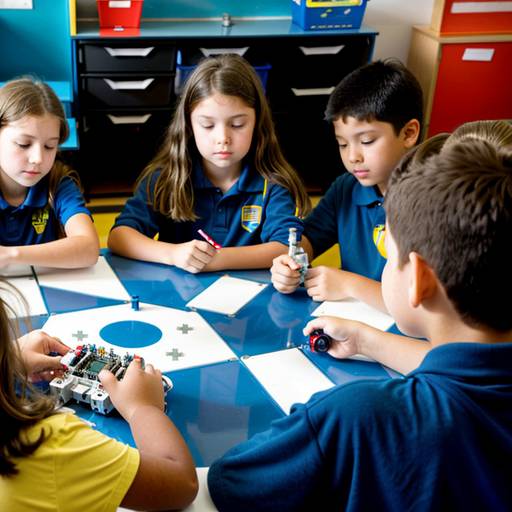
In this third-grade technology lesson, students are introduced to the world of robotics and the fundamental concepts behind robot construction. The lesson begins with a discussion on the role of robots in everyday life, followed by an exploration of the different components that make up a robot. Working in small groups, students assemble simple robot kits, allowing for creativity and collaboration as they build and customize their creations. After the robot building activity, students are introduced to basic programming using tablets or computers to make their robots perform simple movements. The lesson concludes with presentations from each group, where students share their robots' features and demonstrate their programming. Observational assessments focus on student engagement, teamwork, and understanding of programming concepts, while extension activities encourage further exploration of robotics. The lesson promotes hands-on learning and critical thinking, equipping students with skills relevant to future technology and engineering fields.
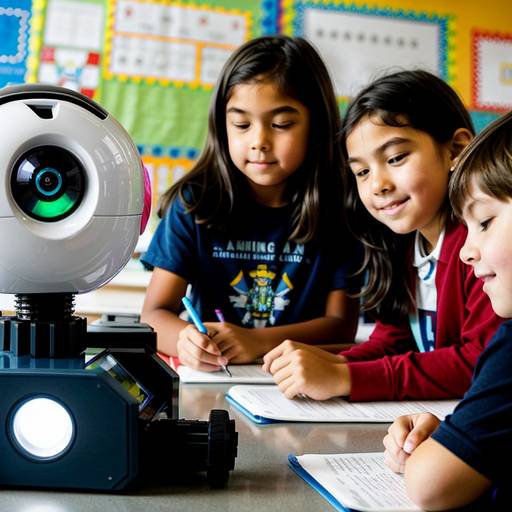
In this 1-hour lesson plan for 3rd graders, students will explore the world of robotics through collaborative design and building activities. They will begin by discussing the purpose and functionality of robots in everyday life, including key components such as sensors and actuators. After forming small groups, students will brainstorm ideas for their own robot creations and sketch designs. Using assorted craft materials and basic robot kits, groups will work together to construct their robots, fostering teamwork and creativity. Each group will then present their robot to the class, explaining its purpose, the materials used, and any challenges they faced during the building process. The lesson concludes with a reflection on the learning experience, highlighting the importance of collaboration and innovation in technology. Assessment will focus on participation during group work and the quality of presentations, while extensions offer opportunities for further creativity.
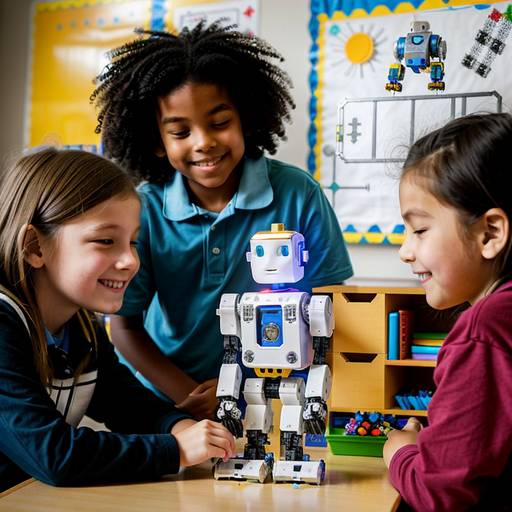
In this lesson plan designed for 3rd-grade students, learners will explore the world of robotics by engaging in the design and construction of their own simple robots using everyday materials. The lesson spans two class periods, beginning with an introduction to the concept of robots and their functions in daily life. Students will brainstorm and list the purposes and features of their robots in small groups and present their ideas to the class.
On the second day, students will put their designs into action by building their robots with provided materials, encouraging creativity and critical thinking. Throughout the building process, they will reflect on challenges and problem-solving strategies. Finally, each group will present their completed robots, demonstrating how they work and discussing their design process.
Assessment will focus on participation, creativity, functionality, and presentation skills. Extensions include modifying their robots for additional challenges and testing them in an obstacle course, reinforcing the learning experience. Overall, this activity fosters collaboration, critical thinking, and a deeper understanding of robotics and engineering concepts.