
Filters
Level
Grade
Subject
Subject Area
Subject Topic
Standard(s)
Audience
Keyword
DurationMinutes
3rd Grade How Technology Works Lesson Plans
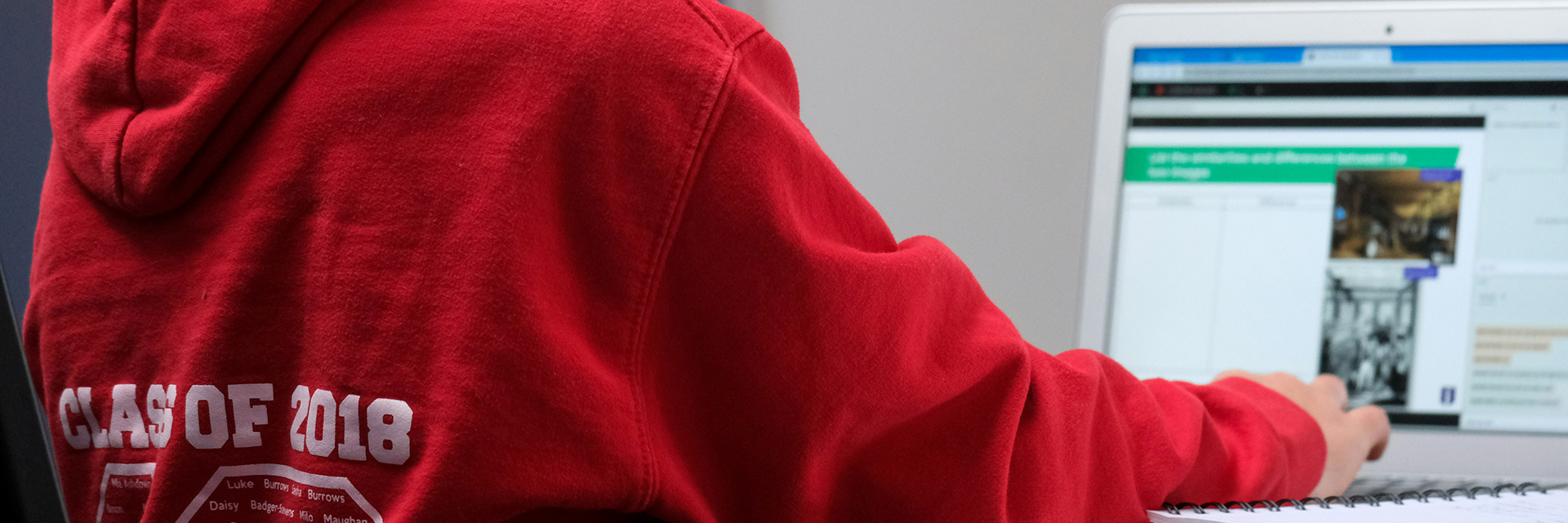
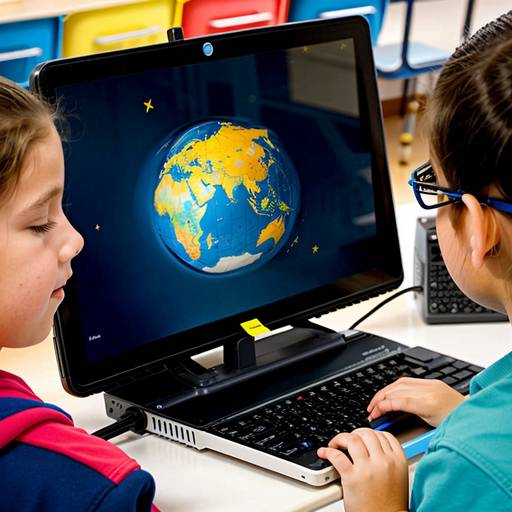
This third-grade lesson focuses on introducing students to the concept of technology and how it works. It begins with an engaging class discussion in which students share various technologies they use in everyday life. A supportive video may be shown to illustrate common devices in action. Students are then divided into small groups, where they research a selected device, learning about its function and utility. Each group prepares a presentation—such as a poster, skit, or demonstration—based on their findings, which they share with the class. The lesson concludes with a wrap-up discussion to reflect on key learnings and an exit ticket for individual feedback. Assessment includes observing group participation and evaluating presentations, with differentiation strategies in place to support diverse learning needs. Overall, this lesson fosters collaboration, creativity, and critical thinking while helping students understand the role of technology in their lives.
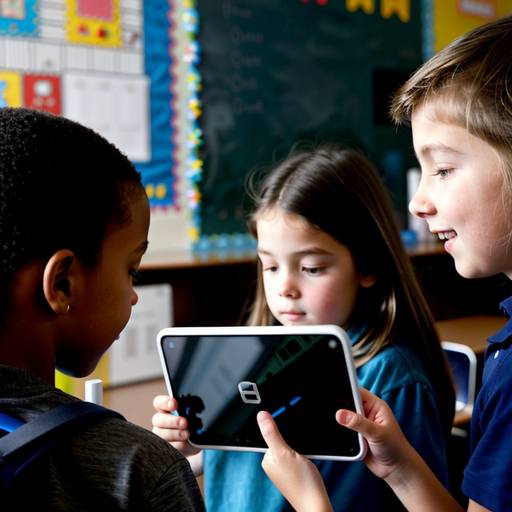
This lesson introduces third-grade students to the concept of technology, highlighting its presence in everyday life and exploring how different devices function. The session begins with a class discussion to gather students' ideas about technology, followed by an examination of various technological tools, such as smartphones and computers. Students learn about the basic components of electronic devices, including batteries, circuits, and switches, emphasizing the collaboration of these parts in powering gadgets.
In a hands-on activity, students work in small groups to create a simple circuit that lights a bulb, encouraging teamwork and problem-solving. Each group presents their project, explaining the functioning of their circuit and the challenges faced. The lesson concludes with a recap of the key concepts and a creative assignment where students draw a technology they appreciate, label its parts, and describe how it works. The lesson aims to foster an understanding of technology and its applications while promoting engagement and creativity among students. Assessment is based on participation in discussions, group activities, and completion of the worksheets. Additional activities for extending learning are suggested, including technology research and a "Technology Show and Tell."
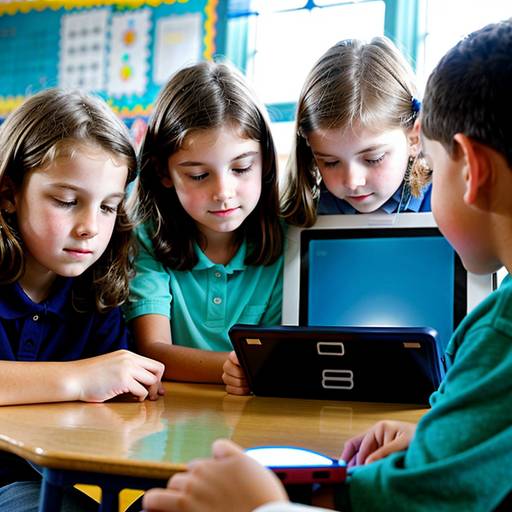
This lesson plan introduces 3rd-grade students to the concept of technology and how it functions in their everyday lives. It begins with a class discussion that encourages students to share their experiences and thoughts on technology, leading to the creation of a collaborative chart titled "What is Technology?" Various examples of technology are presented, allowing students to engage with everyday items and explore their purposes.
The lesson then focuses on simple machines, such as levers and pulleys, to help students understand the mechanics behind different technologies. A short video is shown to illustrate how a simple piece of technology operates, enhancing their understanding of the topic.
The hands-on component of the lesson allows students to work in small groups to create their own inventions using craft supplies and old electronics. They are encouraged to explain how their creations work and the problems they aim to solve.
The lesson concludes with group presentations, fostering sharing and communication skills. Assessment is based on participation and the ability to articulate the function of their inventions. Extension activities include a homework assignment that encourages students to explore technology further at home and a potential “Technology Day” for sharing personal gadgets with the class.
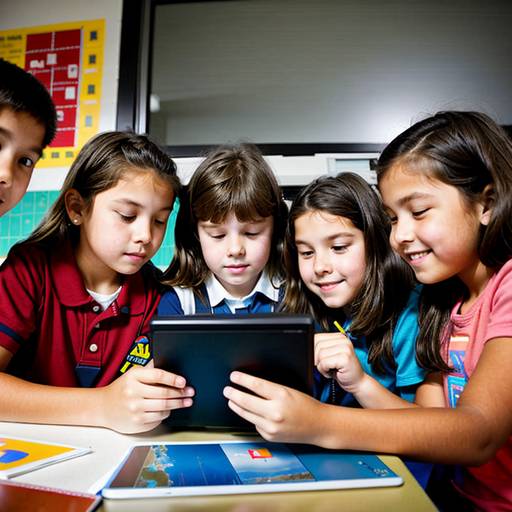
This lesson plan is designed for 3rd-grade students to explore the concept of technology and how it functions in everyday life. The lesson begins with an interactive discussion where students share different types of technology they encounter daily. Groups are then given simple mechanical toys to examine, encouraging students to observe how these devices work by discussing their parts and functions.
Students will also create a "Tech Map," illustrating various forms of technology they use at home or school, while labeling and explaining how each one operates. Presentations of these maps will foster collaboration and communication skills as they share their insights with classmates.
Assessment will be based on participation in discussions, group activities, and creativity in their tech maps. Extensions include a homework assignment to discover a new technology to bring to class, along with organizing a "Technology Fair" to showcase their findings. Overall, the lesson aims to spark curiosity about technology and its impact on students' lives.