
Filters
Level
Grade
Subject
Subject Area
Subject Topic
Standard(s)
Audience
Keyword
DurationMinutes
3rd Grade Coding Concepts Lesson Plans
This lesson plan is designed for 3rd-grade students to explore the fundamentals of coding and programming through interactive activities. The objectives include understanding basic coding concepts such as algorithms, debugging, and sequencing, along with gaining experience using a visual programming platform like Scratch or Code.org.
The lesson begins with an engaging discussion to gauge students' prior knowledge and introduces key coding terminology through a handout. A demonstration of the coding platform follows, showcasing how to create a simple animation or game collaboratively.
Students then participate in a hands-on coding activity where they log into their accounts and work on individual projects, fostering critical thinking and problem-solving skills. Throughout this activity, the teacher circulates to provide support and assistance with debugging.
The lesson concludes with students showcasing their projects and participating in a reflective discussion about their learning experiences. An exit ticket prompts each student to share a new insight gained and a question they still have about coding.
Extensions for advanced learners encourage further exploration of coding features and resources. Overall, the lesson aims to ignite students' interest in technology and provide a foundational understanding of coding concepts.

This 3rd-grade technology lesson focuses on introducing students to basic coding concepts such as sequences, loops, and conditional statements. The lesson begins with a discussion to gather students' prior knowledge about coding, followed by an explanation of key vocabulary and its importance in technology. An interactive demonstration on a block-based coding platform showcases how to create simple programs using the concepts taught.
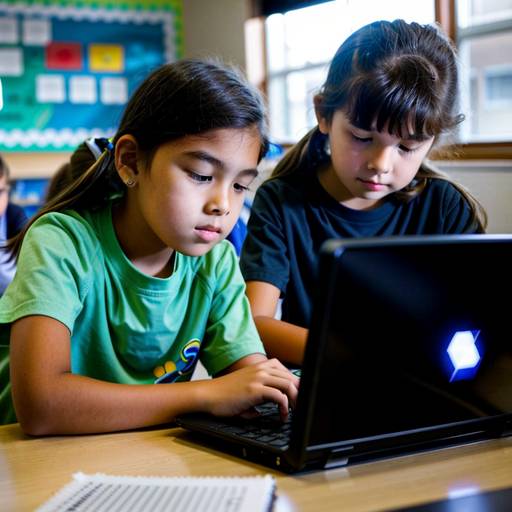
Students then engage in guided practice by logging into the coding platform and completing a tutorial that reinforces their understanding. Working in pairs, they brainstorm and develop a mini-project that incorporates their newly learned coding techniques, encouraging creativity through games, animations, or stories.
The class wraps up with presentations of each pair's project, allowing students to explain their use of coding concepts and share their experience. The teacher assesses student understanding through observation, project review, and an exit ticket where students reflect on their learning. The lesson also includes extension activities for students interested in further exploring coding at home.