
Filters
Level
Grade
Subject
Subject Area
Subject Topic
Standard(s)
Audience
Keyword
DurationMinutes
3rd Grade Timelines Lesson Plans


This lesson plan for 3rd-grade social studies focuses on teaching students about the concept of timelines and their significance in understanding history. The lesson begins with a discussion about the meaning of history and the role of timelines in organizing events chronologically. Students will learn about key events in American history through the use of event cards, and they will collaborate to create a timeline on the board.
Following guided instruction, students will create personal timelines that highlight significant events from their own lives, fostering creativity through drawings and stickers. They will then share their timelines with a partner, explaining the importance of each event. The lesson concludes with a class discussion on the value of remembering historical events and how they shape our present.
Assessment will be conducted through observation of student participation and evaluation of completed timelines, providing insights into their understanding of the timeline concept. Extensions include engaging families in creating a timeline together and integrating mathematical skills by measuring the lengths of timelines. Overall, the lesson encourages students to explore history personally and collectively, enhancing their comprehension of the past.
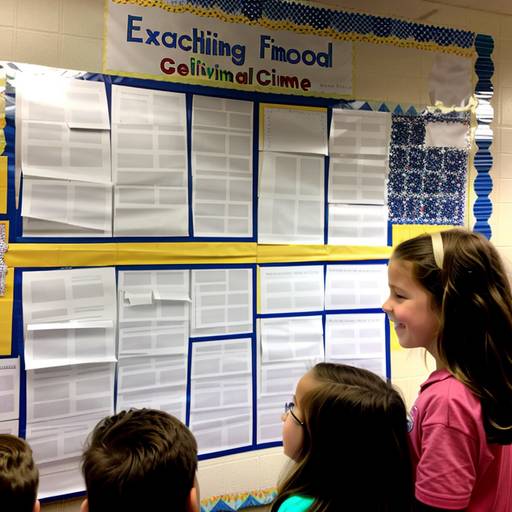
In this 3rd-grade social studies lesson, students explore the concept of timelines and their significance in both personal and historical contexts. The lesson begins with a discussion about timelines, accompanied by examples that highlight key events. Students learn about the components of a timeline and how to represent events chronologically.
Through guided practice, they identify and organize 3-5 significant events in their lives, using sticky notes to create a personal timeline. After illustrating their events, students have the opportunity to share their timelines with peers, fostering discussion about their unique histories. The lesson emphasizes creativity and individual expression while reinforcing important concepts about chronology. Assessment is conducted through observation and review of students' completed timelines. Extensions and adaptations are included to cater to diverse learners, promoting engagement and understanding for all students.
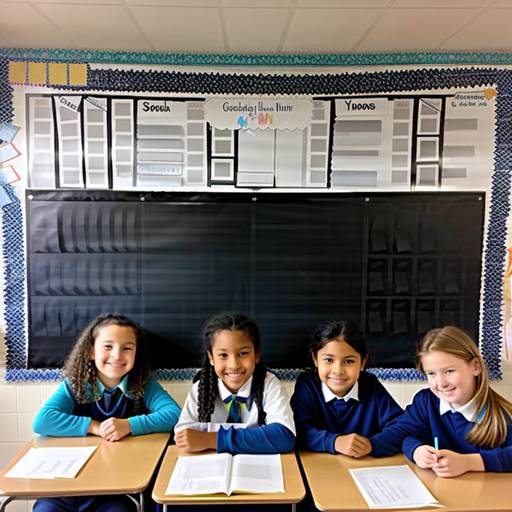
This lesson plan for 3rd graders focuses on teaching the concept of timelines and their importance in understanding history and personal experiences. The lesson begins with a discussion about significant events in students' lives to stimulate interest and introduce timelines as a tool for organizing events chronologically. Through direct instruction, students learn the components of a timeline and examine sample timelines depicting key historical moments.
Students then participate in a collaborative activity to create a class timeline that combines historical events with personal experiences. Afterward, they independently construct their own personal timelines, illustrating 5-7 significant events from their lives. The lesson concludes with students sharing their timelines with partners and reflecting on the connections between personal histories and broader narratives.
Assessment includes monitoring student participation and evaluating the creativity and completeness of their personal timelines. The lesson also offers extensions for students who want to delve deeper into historical research while providing adaptations for those needing additional support. Overall, this plan aims to enhance students' understanding of timelines while allowing them to express their personal histories creatively.
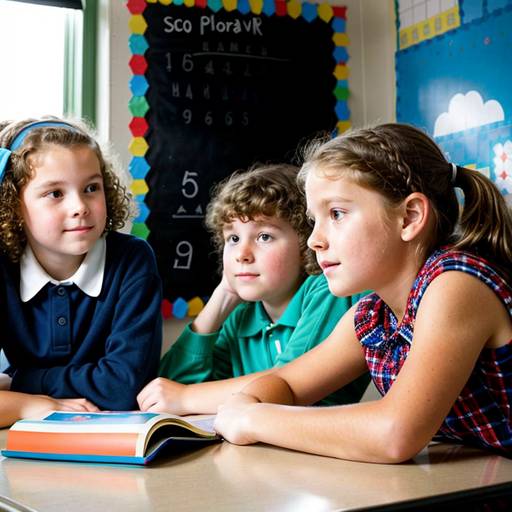
In this 3rd-grade social studies lesson, students will explore the concept and significance of timelines in organizing historical events. The session begins with a discussion about the nature of time and the role of timelines in understanding history. Students will collaboratively create a large class timeline by adding significant historical milestones, followed by an individual activity where each student constructs their personal timeline, highlighting important events from their own lives. To conclude, the class will reflect on the importance of both personal and global histories and how they are interconnected. Assessment will focus on participation, creativity, and the ability to explain the events chosen for their timelines. Extension activities will encourage ongoing engagement with timelines throughout the school year.