
Filters
Level
Grade
Subject
Subject Area
Subject Topic
Standard(s)
Audience
Keyword
DurationMinutes
3rd Grade Physical Science Lesson Plans

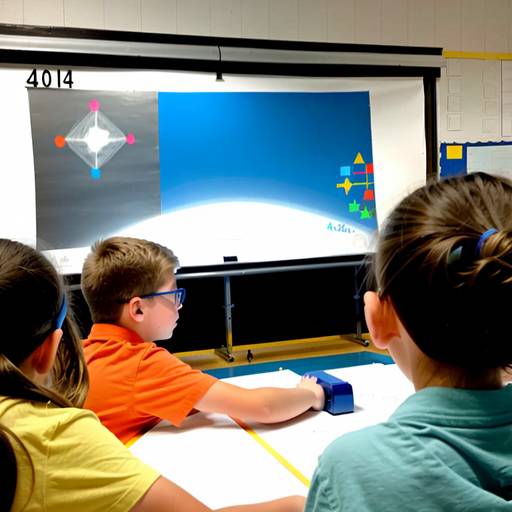
In this 3rd-grade science lesson, students will explore the concepts of motion and the effects of forces on movement through hands-on activities. The lesson begins with a discussion to engage students and introduce key concepts such as force, speed, and direction. An interactive demonstration using toy cars helps illustrate how different forces can affect motion.
Students will then be divided into small groups to conduct experiments using ramps of various angles and toy cars. They will measure the distance traveled and time taken for the cars to roll down the ramps, recording their observations. This hands-on activity allows them to directly observe how changes in ramp angle impact speed and distance.
Following the experiments, the class will come together to discuss their findings, encouraging critical thinking about the results and the forces at play. Students will reflect on their experiences through drawing and written descriptions.
Assessment will be based on participation, group data discussions, and reflections in their science journals. Extensions of the lesson may include research on inventors related to motion or an introduction to simple machines, with modifications available for diverse learning needs. Overall, the lesson fosters understanding of physical science concepts while promoting teamwork and inquiry-based learning.
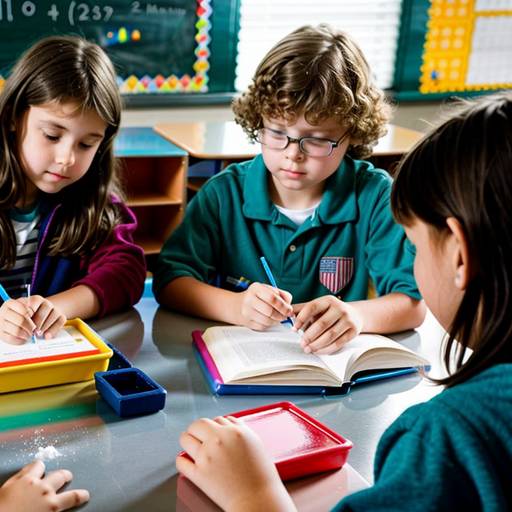
In this 3rd-grade science lesson, students will explore the concept of matter, defined as anything that has mass and takes up space. They will learn to classify objects into three states of matter: solid, liquid, and gas, by examining various materials through hands-on activities.
The lesson begins with a discussion about what matter is, followed by a group activity where students observe and record the properties of different objects. They will then conduct a simple experiment involving ice and water to observe changes in state, fostering an understanding of how matter can transition between solid and liquid forms.
Students will also engage with balloons to see how gases occupy space. A class discussion will follow to reinforce their learning and allow for sharing insights. To assess understanding, students will complete worksheets summarizing the properties and states of matter. The lesson emphasizes participation, observation, and teamwork, making the scientific concepts accessible and engaging for young learners. Additional extension activities will be offered for those interested in delving deeper into the topic. Safety will be prioritized throughout the activities.
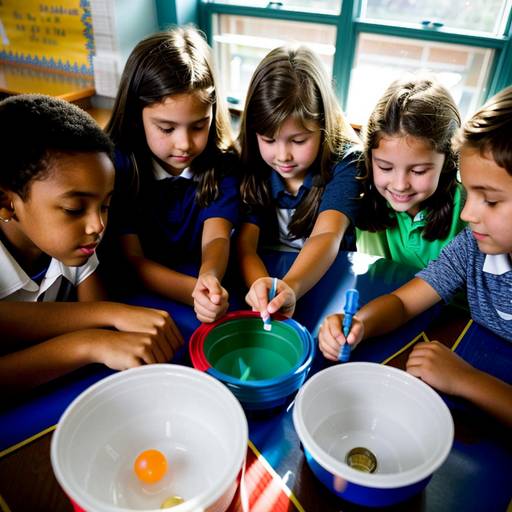
In this engaging 3rd-grade science lesson, students will explore the concept of energy and its various forms, focusing on how energy can transform from one type to another. The lesson will begin with a discussion to pique students' interest and gather their initial thoughts about energy in everyday life. Following this introduction, students will learn about different forms of energy, such as kinetic, potential, thermal, and electrical, through direct instruction.
The main part of the lesson will involve hands-on activities at various stations. Students will participate in experiments that demonstrate energy transformations, including a balloon rocket, a solar-powered toy car, and a flashlight. This interactive approach will help them observe and understand the principles of energy transformation in real-time. After the activities, students will regroup for a class discussion to share their observations and insights.
To reinforce learning, each student will complete a worksheet where they can illustrate or describe an energy transformation they witnessed during the session. The lesson concludes with a review of the key concepts, encouraging students to articulate their understanding of energy and its transformations. Through this lesson, students will develop a foundational comprehension of energy, its types, and transformations in a fun and interactive manner.
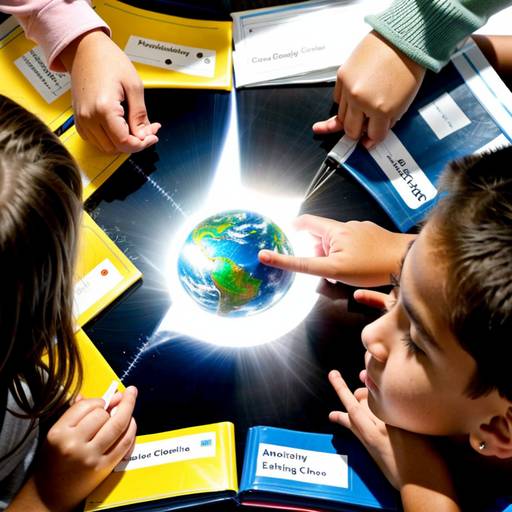
In this 3rd-grade science lesson, students explore the concepts of potential and kinetic energy through engaging activities and discussions. The lesson begins with a brief introduction to energy and its two main types, supported by visual examples from everyday life. Students then participate in a hands-on activity where they work in small groups to create ramps for toy cars or marbles. They experiment with different ramp heights to observe how potential energy is converted into kinetic energy. Measurements of how far the cars travel are recorded, promoting teamwork and critical thinking. The lesson concludes with a class discussion that reinforces the concepts and encourages students to share personal examples of potential and kinetic energy. Assessments include observation during activities and the recording of experimental results, ensuring students grasp the foundational principles of energy.
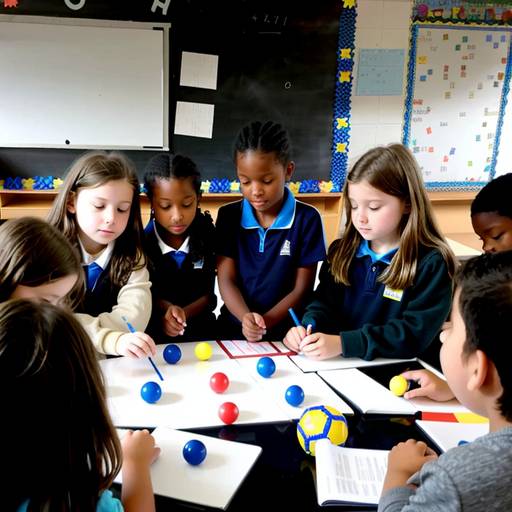
In this 3rd-grade physical science lesson, students will explore the concepts of pushes and pulls as they relate to forces and motion. The lesson begins with an engaging discussion about everyday examples of forces, followed by a hands-on experiment where students build ramps and observe the effects of adding weight to toy cars on their speed. Working in small groups, students will record and compare their findings, facilitating a deeper understanding of how forces impact motion. The class discussion will encourage students to reflect on their observations and connect them to real-life examples. To conclude the lesson, students will share their insights by writing down instances of pushes and pulls they encounter at home. Assessment will be based on participation, group findings, and individual reflections on their learning experiences. Adaptations will be provided to support diverse learners, while extensions will challenge more advanced students to design their own racecars, further investigating the relationship between design, weight, and motion.
In this 3rd grade science lesson, students will explore the concepts of motion and the various forces that influence it. The lesson begins with an engaging introduction where students discuss their observations of how objects, like toy cars, move. Key terms such as motion, force, push, and pull are introduced and explained through real-life examples of different types of motion: straight, circular, and back-and-forth.
Following the introduction, students participate in hands-on activities that involve experiments with toy cars on ramps and balloon-powered cars. In small groups, they will test how different weights affect the distance that toy cars travel when released from a ramp, and observe the effects of balloon propulsion on their specially designed cars. Throughout the activities, students will record their observations and data on worksheets.
The lesson concludes with a group discussion where students share their findings, reflect on their learning experiences, and consider how forces like gravity and friction affect the motion of objects. Assessment includes the completion of worksheets and the quality of group presentations. Extensions encourage students to apply their understanding of motion to real-world examples and future projects. Overall, the lesson aims to foster a practical understanding of physical science concepts related to motion among young learners.
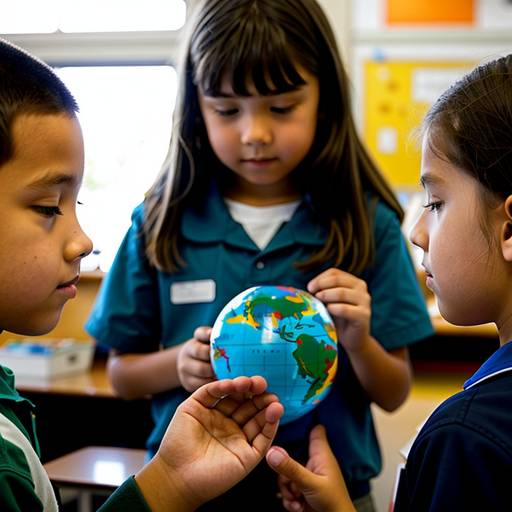
This lesson plan focuses on introducing 3rd-grade students to the concept of matter in physical science, emphasizing the three states: solids, liquids, and gases. The lesson begins with an engaging video or demonstration to capture students' interest, followed by a discussion that prompts them to identify everyday examples of each state of matter.
The instruction includes clear definitions and properties of matter, explaining how it can change states. Students then participate in a hands-on, interactive activity at three different stations, where they observe and describe the characteristics of solids, liquids, and gases using various materials. Each station is complemented by a worksheet for students to record their observations.
The lesson concludes with a group discussion and a drawing activity that allows students to express their understanding of matter creatively. Assessment is based on their participation, completed worksheets, and drawings. Differentiation strategies are included to support varying learning needs, as well as extension activities for further exploration. The overall goal is to provide students with a foundational understanding of matter and its properties through engaging and interactive experiences.
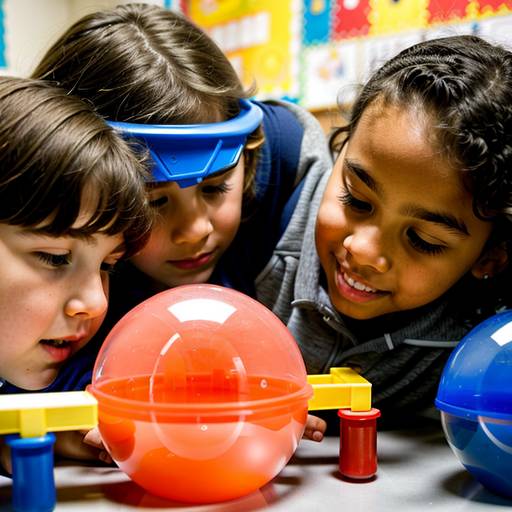
This 3rd-grade science lesson focuses on the concepts of pushes and pulls as fundamental forces. The lesson begins with an engaging introduction to the definitions of these forces and their roles in everyday life, prompting students to share their experiences. Following direct instruction that includes visuals highlighting different forces, students are divided into small groups to conduct a hands-on experiment with toy cars and ramps. They test the effects of pushing and pulling the cars, both with and without added weights, while recording their observations. The class then reconvenes to discuss each group's findings and insights about the ease of pushing versus pulling. To conclude the lesson, students complete a worksheet summarizing their learning, which serves as an assessment of their understanding. The lesson allows students to grasp the practical implications of forces in their daily lives, setting a solid foundation for future exploration in physical science.
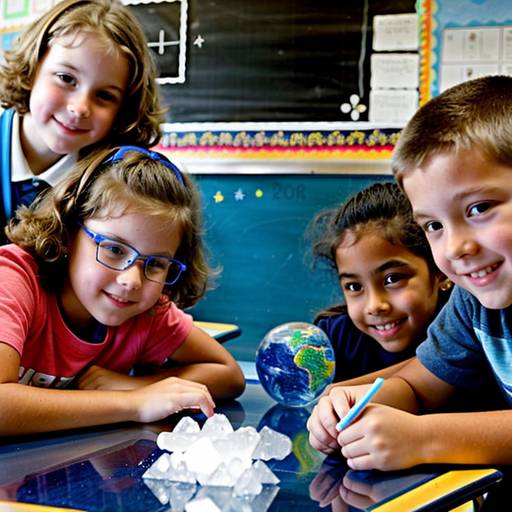
This 3rd-grade science lesson introduces students to the three primary states of matter: solid, liquid, and gas. The lesson begins with a class discussion to gauge prior knowledge and introduces the characteristics of each state using visual aids. Students participate in hands-on activities, exploring ice cubes, water, and balloons to observe and describe the properties of each state. They work in small groups to share their findings and complete drawings based on their observations. The lesson concludes with a recap of key concepts and a worksheet to reinforce learning through examples from everyday life. Informal assessments are conducted through group interactions and worksheet completion, while differentiation strategies ensure all students can engage with the material effectively. Extensions and additional explorations of matter changes provide opportunities for further investigation.
In this 3rd-grade science lesson on physical science and matter, students will explore the three states of matter: solid, liquid, and gas. The lesson begins with a discussion to define matter, followed by an explanation of its states and properties using visual aids.
Students will participate in hands-on experiments at three different stations where they engage with various materials representing each state. They will observe and compare the characteristics of solids, liquids, and gases, and complete worksheets to document their findings.
The lesson concludes with group presentations where students share interesting facts about what they learned, fostering a collaborative discussion about the relevance of matter in everyday life. Assessment will be based on worksheets and observations of group work. Extensions include a field trip for further exploration and home-based experiments to encourage ongoing learning. Adaptations are provided for diverse learners, ensuring comprehension and engagement throughout the lesson.