
Filters
Level
Grade
Subject
Subject Area
Subject Topic
Standard(s)
Audience
Keyword
DurationMinutes
3rd Grade Animals Lesson Plans

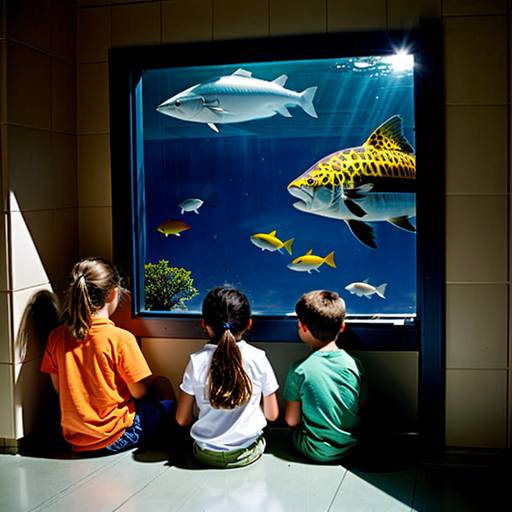
In this 3rd grade life science lesson, students will explore various animal habitats and the unique adaptations that allow animals to thrive in those environments. The session begins with a discussion of different habitats, such as deserts, forests, and oceans, encouraging students to identify the animals that inhabit each one. Following this, the teacher will present information on how specific animal traits contribute to their survival, using a chart to illustrate these connections.
Students will then engage in a matching activity with habitat cards and animal figurines, facilitating group discussions about why certain animals are suited to particular habitats. For the independent activity, students will create 3D models of a habitat of their choice, incorporating at least three animals and demonstrating their understanding of the topic.
The lesson concludes with presentations, where students share their habitat models and insights, promoting reflection on what they learned about animal adaptations and habitats. Assessment will focus on student participation, creativity, and accuracy in their models, with extensions available for further exploration of the topic. Modifications will ensure all students can fully participate and grasp the material.
This 3rd-grade Life Science lesson focuses on the concept of animal migration. Students will begin by discussing the meaning of migration and its significance for survival, exploring why certain animals undertake long journeys in search of food, breeding grounds, or warmer climates. The lesson includes a visual introduction to various migratory animals, such as monarch butterflies, wildebeests, salmon, and Arctic terns.
Working in small groups, students will research their assigned migratory animal, creating a map that outlines its migration route while noting important facts about its behavior and habitat. After group presentations, the class will engage in a reflective discussion on the challenges these animals face and the importance of protecting their migratory paths.
Assessment will be based on participation, group projects, and potentially a short quiz on the material covered. Extension activities are also suggested to further explore the topic, including individual research and creative writing. Overall, this lesson aims to cultivate students' understanding of migration and its relevance within life science.