
Filters
Level
Grade
Subject
Subject Area
Subject Topic
Standard(s)
Audience
Keyword
DurationMinutes
3rd Grade Astronomy Lesson Plans

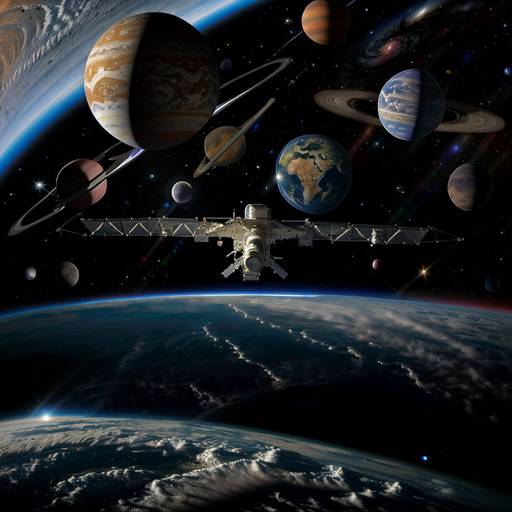
In this 3rd-grade science lesson, students will embark on an engaging exploration of the solar system, focusing on its eight planets and other celestial bodies. The class will begin with a discussion about prior knowledge, followed by a short video introduction and a fun interactive song about the solar system to capture students' interest.
Through direct instruction, students will learn about the characteristics of each planet using fact cards that highlight key information. In small groups, they will be assigned a planet to research and create a colorful poster that includes the planet's name, an interesting fact, a drawing or model representation, and its distance from the sun.
After creating their posters, each group will present their findings to the class, fostering teamwork and communication skills. The lesson will conclude with a recap of what was learned and a discussion about favorite planets. Assessment will focus on participation, collaboration, and creativity demonstrated in the poster project. Extensions may include further research on the planets and a simulated planetarium in the classroom to enhance the learning experience.
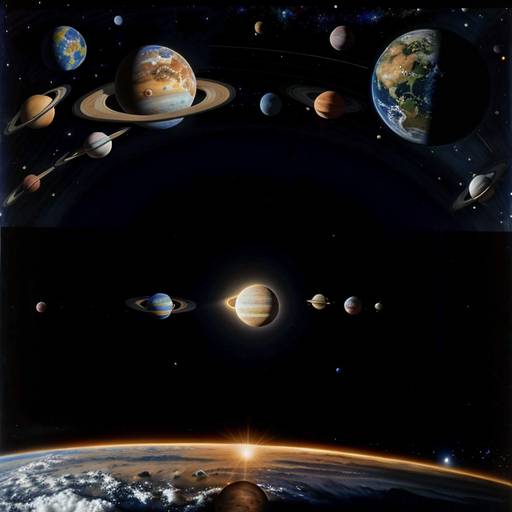
This lesson plan is designed for third-grade students to explore the solar system and learn about the planets that orbit the sun. It begins with an engaging video or animation to capture students' interest, followed by a discussion about their observations of the night sky. The teacher will introduce each planet, highlighting key characteristics and the concepts of orbit and gravity.
Students will participate in guided activities where they work in groups to create fact cards for assigned planets, including drawings and interesting information. They will also build a scale model of the solar system using Styrofoam balls or balloons to represent the planets and string for their orbits.
To reinforce learning, students will complete reflective journal entries about their favorite planet. The lesson concludes with sharing insights and reviewing the order of the planets. Assessment will be based on group interactions and journal reflections. Extensions and adaptations are included to cater to various learning needs, ensuring an engaging and informative experience centered around astronomy.
This lesson plan for 3rd graders focuses on the fascinating topic of astronomy, particularly stars and constellations. Students will begin by discussing what they observe in the night sky and watching a short video about the sun, our nearest star. The teacher will present information on various types of stars and the concept of constellations, accompanied by images for visual aid.
Following the presentation, students will work in pairs to create their own constellation on construction paper, using colored pencils and star stickers to enhance their artwork. Each pair will then present their constellation to the class, explaining its name, shape, and any related stories.
To conclude, the class will review the key concepts learned about stars, and students will complete an exit ticket reflecting on what they learned. Assessment will occur through observations during presentations and the completion of a worksheet with star facts. The lesson also offers ideas for extensions, such as a stargazing night with parents and an inclusive reading corner for further exploration of astronomy. Differentiation strategies are included to support a range of learners. Overall, this lesson aims to provide an interactive and engaging experience that enhances students' understanding of stars and constellations.
In this 3rd Grade science lesson, students will embark on an exploration of stars and constellations, aiming to enhance their understanding of astronomy. The lesson begins with a brief discussion and an engaging video showcasing starry night scenes and constellations. Students will learn about different types of stars, their characteristics, and cultural stories associated with various constellations.
Following the instruction, students will create their own star maps using black construction paper and star stickers, allowing them to apply their newly acquired knowledge creatively. They will present their maps to the class, sharing their chosen constellations and their significance. The lesson wraps up with a review of key concepts and reflective questions to assess understanding. Optional extension activities include maintaining a star journal for documenting observations at home and organizing a field trip to a local planetarium or observatory. Overall, this lesson aims to inspire curiosity about the night sky and foster a deeper appreciation for astronomy.
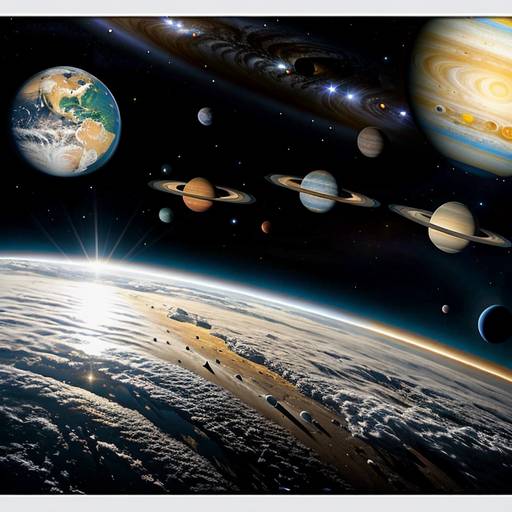
In this 3rd-grade science lesson, students will embark on an exploration of the solar system, focusing on the Sun and the eight planets, along with other celestial bodies. The lesson begins with an introduction that prompts students to share their existing knowledge about the solar system. Students will then work in small groups to research and present key facts about their assigned planet using fact cards.
Following the group discussions, students will participate in a hands-on activity where they create scale models of the planets using Styrofoam balls, which they will paint according to their planets' characteristics. These models will be used to construct a mobile or display that visually represents the solar system, emphasizing the order of the planets from the Sun.
The lesson concludes with a review of the information learned and a reflection session where students can share their favorite aspects of the solar system. Assessment will focus on participation, creativity in model-making, and the completion of worksheets. An extension activity encourages students to create digital presentations about their planets for future sharing. Overall, this lesson aims to engage students in learning about astronomy through interactive and collaborative activities.
In this 3rd-grade science lesson, students will explore the fascinating world of stars and constellations. The lesson begins with a discussion to gauge students' prior knowledge about stars, followed by a brief video that introduces the topic. Direct instruction will provide key information about the different types of stars and how they form constellations.
Students will then engage in a hands-on activity where they will create their own constellations using black construction paper and chalk, encouraging both creativity and artistic expression. Each student will present their constellation to the class, sharing the inspiration behind their creations and enabling peer interaction through questions and feedback.
The lesson will conclude with a recap of the important concepts learned and a fun homework assignment encouraging students to observe stars or constellations at home. Assessment will involve observing student participation and creativity during presentations, ensuring they grasp the key concepts of the lesson. Extensions such as creating a star map in the classroom and incorporating technology will enhance their learning experience further. Overall, this lesson aims to instill a sense of wonder about the universe while promoting scientific inquiry and creativity.
In this 3rd-grade science lesson, students will explore the fascinating world of stars and constellations. They will engage in a discussion about their observations of the night sky and the stories behind different patterns of stars. The instructor will present various constellations, highlighting their myths and historical significance.
Following the presentation, students will participate in a hands-on activity where they create their own constellations on black construction paper using star stickers or glitter and will write a short paragraph explaining the story behind their chosen constellation. This creative approach will be complemented by sharing sessions where students present their work to the class.
The lesson concludes with a recap of key concepts and an introduction to using a planetarium app for further exploration at home. Students will be assessed based on their participation, creativity, and presentation skills. The goal is to ignite curiosity about astronomy and encourage students to observe the night sky independently.
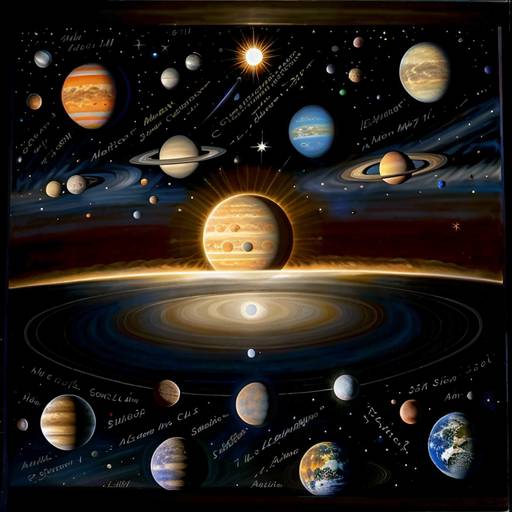
In this 3rd grade science lesson, students will explore the solar system by identifying the eight planets and understanding their unique characteristics. The lesson begins with a brief discussion and a short video to engage students' curiosity about space. Key vocabulary terms are introduced, including solar system and orbit.
Students will then participate in two main activities. First, they will work in pairs to arrange images of the planets in order from the Sun, discussing their arrangement as a class. Next, each pair will be assigned a specific planet to research using a worksheet that prompts them to gather information about the planet's distance from the Sun, size, and unique features.
The lesson concludes with students presenting their findings to the class, encouraging peer interaction and questions to reinforce learning. Assessment will focus on the completeness of the research worksheets, participation in activities, and the clarity of their presentations. Optional extension activities may include creating a model or drawing of a planet for display. The lesson aims to foster a foundational understanding of our solar system and cultivate excitement about astronomy.