
Filters
Level
Grade
Subject
Subject Area
Subject Topic
Standard(s)
Audience
Keyword
DurationMinutes
3rd Grade Pitch Lesson Plans


In this engaging lesson plan for 3rd-grade music students, the focus is on exploring the concepts of singing and pitch. The students will begin with vocal warm-up exercises that help them develop pitch recognition and flexibility. They will learn to differentiate between high and low pitches using colorful visual aids, which associate various colors with pitch levels.
Interactive activities include a sing-along where students are divided into groups to sing high and low notes and a "Pitch Walk," where they physically move to designated areas to embody different pitches. Listening activities will involve audio clips of songs with clear pitch variations, allowing students to demonstrate their understanding by reacting with thumbs-up or thumbs-down signals.
To further reinforce their learning, the students will practice singing a simple song that incorporates both high and low pitches in a call-and-response format. The lesson concludes with a circle discussion, where students reflect on their experiences and share what they’ve learned about pitch. Assessment will be conducted through observations and participation in activities, and extension opportunities will encourage students to create their own pitch charts and identify pitch variations in music at home. This lesson promotes active participation and enhances musical skills through a fun and interactive approach.
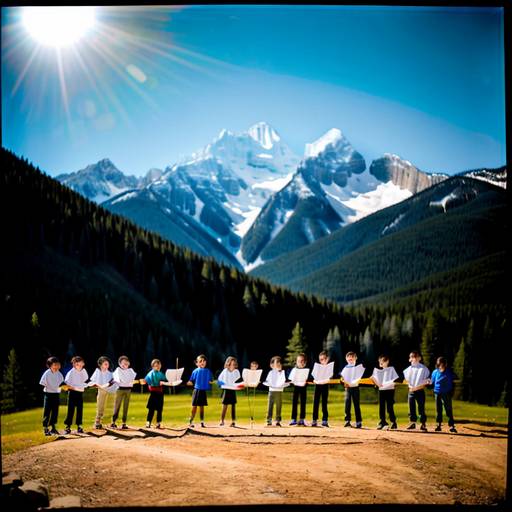
In this engaging music lesson for 3rd graders, students will explore the concepts of high and low pitch through a variety of fun activities. The lesson begins with vocal warm-ups that encourage pitch matching, followed by an introduction to the idea of pitch, where students learn to identify high and low sounds.
Participants will then sing a familiar song, focusing on sections that highlight pitch variations, while also engaging in group performances that incorporate movement to represent changes in pitch. An interactive game will reinforce their understanding as they respond physically to cues for singing high or low.
The lesson concludes with a reflection, allowing students to express their thoughts and feelings about what they learned. Assessment will be based on their participation and ability to demonstrate an understanding of pitch concepts throughout the activities. Extension opportunities encourage creativity, inviting students to create their own songs to share in future classes. Overall, the lesson promotes collaboration, creativity, and a deeper understanding of musical pitch.
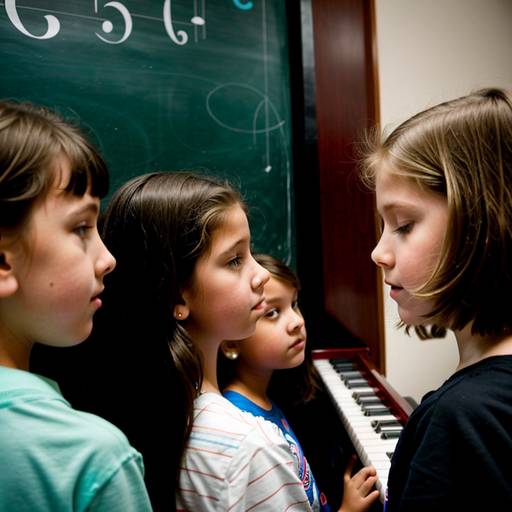
This lesson plan focuses on helping 3rd-grade students understand and identify high and low pitches through a variety of engaging activities. The lesson begins with vocal warm-ups and a discussion about pitch, coupled with audio examples of different sounds to illustrate the concept. Students then practice singing a simple song that emphasizes high and low notes, encouraging them to actively participate in vocal exercises.
To reinforce learning, the students are divided into two groups for a call-and-response game that allows them to mimic and respond to pitch changes. A movement activity, called "Pitch Freeze," further engages students by combining physical activity with musical learning as they must react based on pitch cues. The lesson concludes with a group reflection where students share what they learned, promoting communication and collaboration. Assessment is based on their participation and understanding throughout the activities, with extensions that encourage exploration of pitch in their everyday lives.

This lesson plan focuses on teaching 3rd-grade students about musical pitch through interactive singing activities. Students will learn to identify and differentiate between high and low pitches by participating in warm-up vocal exercises and singing selected songs that emphasize these concepts. They will engage in a fun pitch card game to reinforce their understanding of high and low notes. Additionally, students will work in small groups to create their own original melodies using simple instruments, incorporating both high and low pitches, and then perform their creations for the class. The lesson concludes with a recap to reinforce learning and encourages students to explore pitch in their favorite songs at home. Assessment will be based on student participation, understanding of pitch concepts, and the creativity demonstrated in their group melodies.