
Filters
Level
Grade
Subject
Subject Area
Subject Topic
Standard(s)
Audience
Keyword
DurationMinutes
3rd Grade Dynamics Lesson Plans

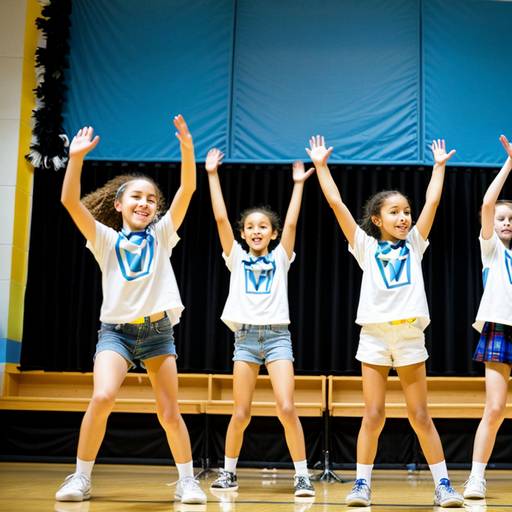
In this 45-minute music lesson for 3rd graders, students will explore the concept of dynamics, focusing on loud and soft sounds in music. The lesson begins with a discussion about dynamics, introducing key terms such as piano (soft), forte (loud), mezzo-piano, and mezzo-forte. Students will practice these concepts through movement activities, where they express dynamics by moving energetically for loud sounds and gently for soft sounds, coordinated with varying music selections.
Next, the class will engage in vocal exercises using a familiar song, taking turns singing at different dynamic levels to understand how dynamics can change the mood of a piece. The lesson further includes a group percussion ensemble, where small groups of students are assigned different dynamic levels to perform together, reinforcing their understanding through collaborative music-making.
Finally, the lesson concludes with a reflection on the importance of dynamics in music and encourages students to listen for these changes in their favorite songs at home. Assessment will be based on students' participation and demonstration of dynamic concepts throughout the activities. Extension ideas include a homework assignment that involves listening to music and identifying dynamic changes. Overall, the lesson effectively combines music theory and physical activity to deepen understanding of musical dynamics.
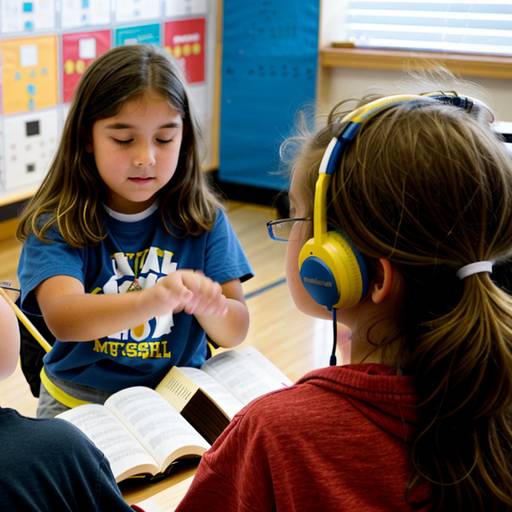
In this engaging music lesson for 3rd graders, students will explore the concepts of musical dynamics, focusing on the terms loud (forte) and soft (piano) as well as the effects of crescendo and decrescendo. The lesson begins with a brief discussion and introduction of terminology, followed by a listening activity where students analyze sound excerpts to identify dynamics and their emotional impact.
Next, students will work in small groups using percussion instruments to create their own short musical pieces, incorporating dynamic variations. Each group will perform for the class, demonstrating their understanding of dynamics and sharing how these elements enhance their performances.
The lesson concludes with a reflection where students revisit key terms and share their favorite parts of the experience. They will also complete worksheets featuring dynamic symbols for further reinforcement. Observations during group work, performances, and the completed worksheets will serve as assessment tools to gauge students’ understanding of music dynamics. Accommodations will be made for those needing different forms of expression, ensuring all students can participate meaningfully.