
Filters
Level
Grade
Subject
Subject Area
Subject Topic
Standard(s)
Audience
Keyword
DurationMinutes
3rd Grade Music Periods Lesson Plans

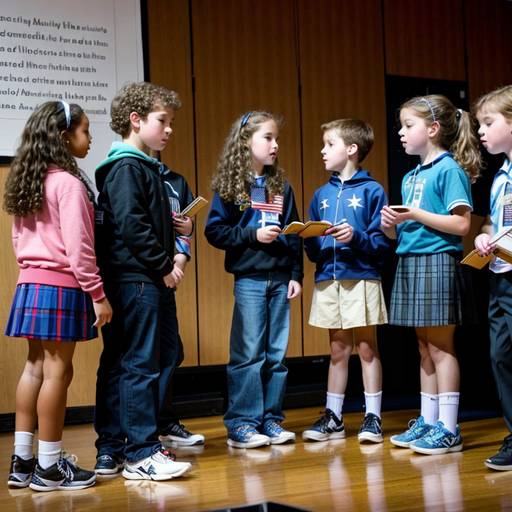
In this music lesson for 3rd graders, students explore the evolution of music through three key historical periods: Baroque, Classical, and Romantic. The lesson begins with a discussion on the significance of music and different styles. Students listen to audio clips from each period, learning about notable composers, unique characteristics, and common instruments associated with each era. They then engage in a group activity, where they create presentations that include illustrations and key facts about their assigned music period. Following the presentations, the class wraps up with a recap and a fun call-and-response rhythm activity. Assessment focuses on students' participation, collaboration in groups, and their ability to identify important elements of the music periods discussed. Additional modifications and extensions are provided to accommodate different learning needs and deepen students’ engagement with music history.
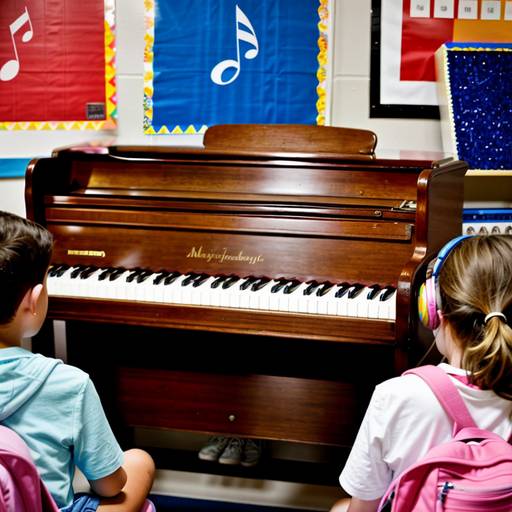
This engaging lesson plan for 3rd graders introduces students to the concept of music history and key musical periods: Baroque, Classical, Romantic, and Contemporary. The lesson begins with a brief discussion on famous composers and their contributions to music. Students participate in a group listening activity, where they listen to short excerpts from representative pieces of each period and share their thoughts on the music's characteristics.
Next, students create a timeline that includes the names and descriptions of each music period, enhancing their understanding of the evolution of musical styles. They then engage in a creative activity where they express their personal connection to music by drawing or writing about their favorite genres or songs. The lesson culminates with a recap of the main points, emphasizing the ongoing evolution of music. Assessment is based on participation and the completion of the timeline and creative activity, while extensions encourage further exploration of composers and personal music interests.

In this 3rd-grade music lesson plan, students will embark on an engaging exploration of music history, focusing on four key periods: Baroque, Classical, Romantic, and Contemporary. The lesson begins with a discussion about students' favorite songs and musicians, introducing the concept of music history as a timeline with distinct chapters.
Students will listen to sound samples representative of each period while learning about their characteristics and influential composers. Following this, students will engage in a group activity where they create and perform simple rhythms using percussion instruments that reflect their assigned music period. The lesson concludes with a class discussion and a reflective homework assignment encouraging further research on a selected composer.
Assessment will be based on participation during discussions and group activities, as well as the completion of a worksheet on music periods and composers. An extension activity may involve students composing their own music pieces inspired by one of the styles studied.
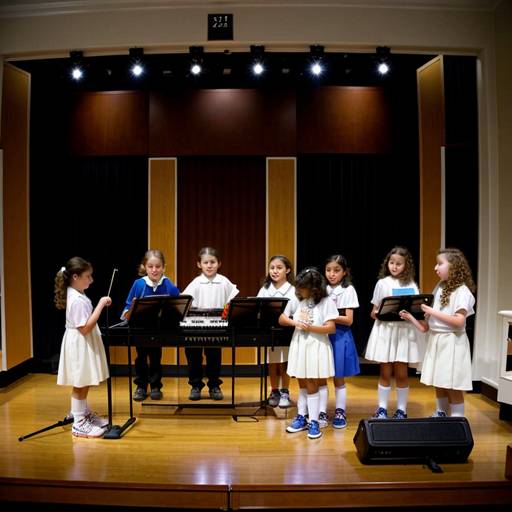
In this third-grade music history lesson, students explore various music periods, including Baroque, Classical, Romantic, and Contemporary. The lesson begins with a discussion on the importance of music and its historical context. Students then engage in a listening activity, where they hear key pieces from each period and share their thoughts on the instruments, emotions, and purposes of the music.
Following this, students are divided into small groups, each assigned a music period to create a short musical composition using simple instruments. This hands-on activity encourages creativity while allowing students to incorporate characteristics of their assigned period. Each group presents their composition to the class, fostering communication skills and teamwork.
The lesson concludes with a group reflection on what they learned about the evolution of music and its cultural significance. Students receive a worksheet summarizing the key features of each music period to reinforce their understanding and allow for individual assessment. Throughout the lesson, students actively participate in discussions and activities, promoting both musical appreciation and creativity.