
Filters
Level
Grade
Subject
Subject Area
Subject Topic
Standard(s)
Audience
Keyword
DurationMinutes
3rd Grade Elapsed Time Lesson Plans

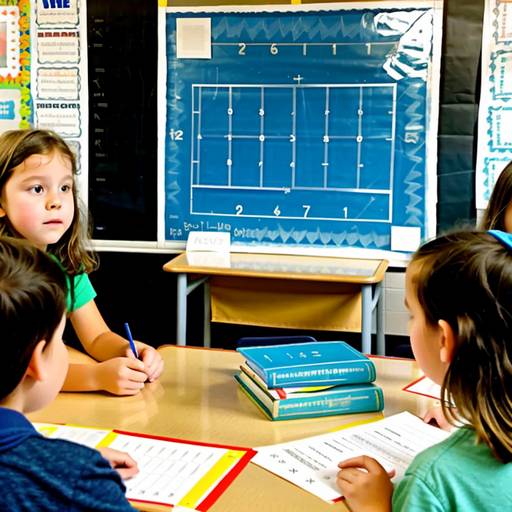
In this 60-minute math lesson for 3rd graders, students will explore the concept of time and learn how to calculate elapsed time. The lesson begins with a discussion about the importance of time and real-life examples of when certain activities occur. Through direct instruction, students will learn to read time on a clock and understand how to determine the duration between two events.
During guided practice, they will work in pairs with scenario cards to find the elapsed time, reinforcing their understanding with hands-on activities. Afterward, students will complete independent worksheets with various problems related to elapsed time, including clock drawings and word problems.
The lesson wraps up with a review of student answers and a discussion on how knowing about elapsed time is beneficial in their daily lives. Optional extension activities include creating original time-related story problems and using timers to track classroom activities. Assessment will be conducted through observation during practice and through the evaluation of independent worksheets. Overall, the lesson aims to engage students and provide practical applications of time concepts in their everyday experiences.
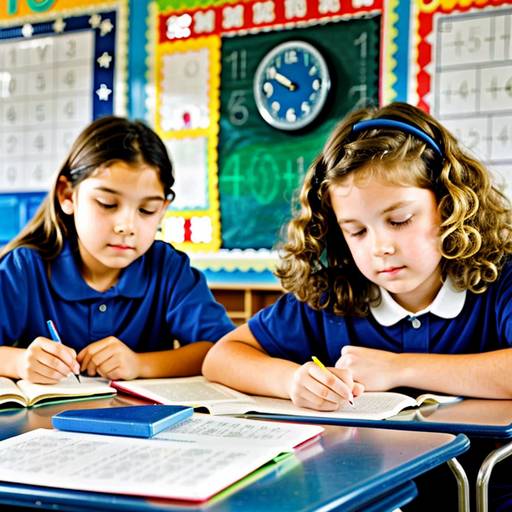
In this 3rd grade math lesson, students will learn to read clocks, tell time, and calculate elapsed time through engaging activities and real-life examples. The lesson begins with a class discussion about where they encounter time in their daily lives, followed by a hands-on demonstration using a large clock to illustrate how to tell time.
Next, the concept of elapsed time will be introduced, highlighting how to determine the duration between two events using familiar scenarios. Students will then work in pairs with individual clocks to set different times and calculate elapsed time in guided practice. Following this, they will complete worksheets that include various problems related to telling time and elapsed time, which will reinforce their understanding through independent practice.
The lesson will conclude with a class review of the worksheet answers and an exit ticket activity where each student shares something they learned. Throughout the lesson, student participation will be monitored, and completed worksheets will be reviewed to assess their comprehension of the material. This engaging lesson aims to build students' confidence in understanding time and its applications in everyday life.
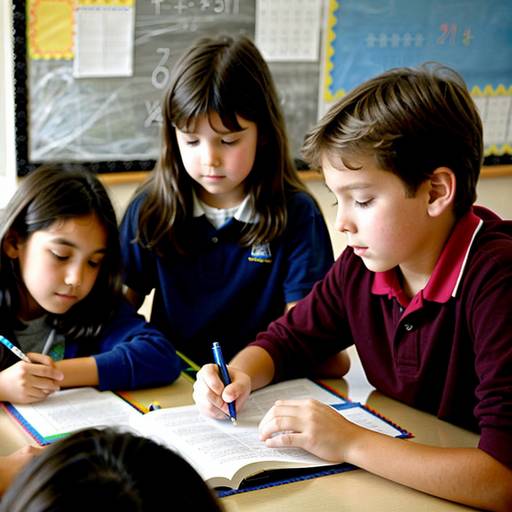
In this 3rd-grade math lesson, students will focus on understanding how to read both analog and digital clocks, as well as calculating elapsed time. The lesson begins with a discussion on the importance of time in daily life, followed by direct instruction that introduces the concept of elapsed time through illustrative examples and the use of a number line. Students will participate in guided practice, working in pairs to solve problems related to elapsed time and honing their skills on worksheets.
For independent practice, students will complete elapsed time story problems individually, applying what they have learned. To conclude the lesson, students will engage in a creative group activity where they create "Time Wheels" that depict various times and associated activities, which they will present to the class. Assessment will be conducted through observation, worksheet reviews, and group presentations. Extensions to the lesson will include connections to literature and real-life scenarios, reinforcing the practical application of time concepts learned. Additional resources and support will be available for students who may need extra assistance.
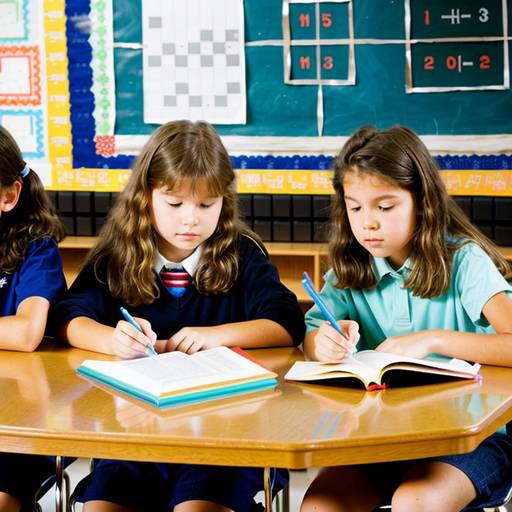
In this engaging 60-minute math lesson designed for 3rd graders, students will learn how to tell time using both analog and digital clocks, and develop an understanding of elapsed time. The lesson begins with a discussion about the importance of time, followed by demonstrations on how to read both types of clocks. Students will actively participate in an interactive activity that reinforces their clock-reading skills.
As the lesson progresses, the concept of elapsed time is introduced through examples using timelines, allowing students to see practical applications of how time is measured. Through guided practice, they will solve problems involving elapsed time, enhancing their problem-solving abilities. Students will then work independently on worksheets to further solidify their understanding.
The lesson concludes with a review and recap session where students can share their answers and thought processes. Assessment will be done through collected worksheets and observation of student engagement during the lesson. Follow-up activities encourage ongoing practice and application of their new time-telling skills at home. This lesson promotes comprehension of essential time-related concepts that are applicable in daily life.