
Filters
Level
Grade
Subject
Subject Area
Subject Topic
Standard(s)
Audience
Keyword
DurationMinutes
3rd Grade Money Lesson Plans

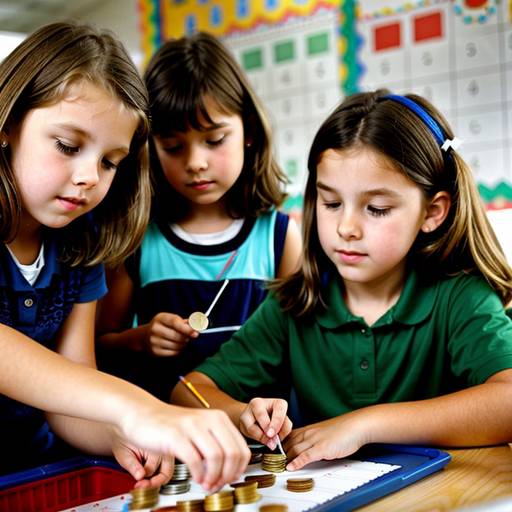
This 3rd-grade math lesson focuses on teaching students about money and budgeting through hands-on activities and real-life scenarios. The lesson begins with a discussion about the importance of money, followed by an introduction to different coins and their values. Students engage in guided practice to identify and count money using play coins.
Afterward, they work independently on budgeting templates, planning purchases within a given budget. In a group activity, students participate in a shopping fair simulation where they make decisions about what items to buy while adhering to their budget. The lesson concludes with a reflective discussion, allowing students to share their experiences and thoughts on making money choices. Assessment includes observation during activities and reviewing budgeting worksheets. Extensions and modifications are suggested to accommodate different learning needs, ensuring an inclusive and engaging experience for all students.
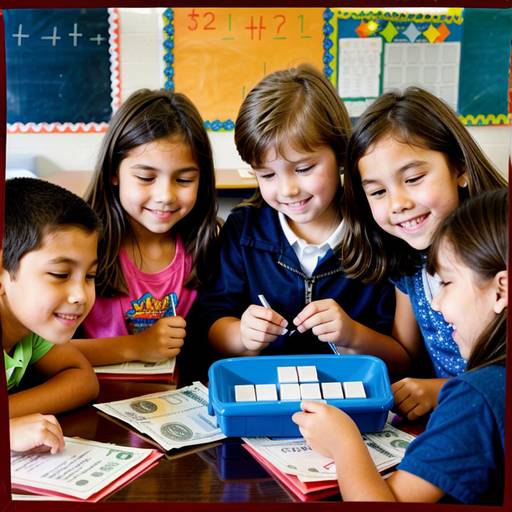
In this 3rd-grade math lesson, students will explore the concepts of money management and budgeting through hands-on activities. The lesson begins with an engaging discussion about budgeting and the importance of managing money wisely. Students will learn to identify and count various coins and bills, followed by practical budgeting scenarios where they will create their own budgets based on a fictional allowance.
Through guided practice, students will use play money to make selections from a classroom store filled with items of varying costs, filling out worksheets as they keep track of their spending and savings. During independent practice, students will design their own budget based on their preferences and learn to complete a budgeting worksheet without exceeding their allowance. The lesson concludes with a sharing session, where students can present their budgeting choices and reflect on their learning.
Assessment will be conducted through completed worksheets and participation in discussions and activities. Extensions will be offered to deepen understanding, while modifications will ensure all students can engage meaningfully with the material. By the end of the session, students will gain foundational skills in recognizing, counting, and budgeting money, setting them up for future financial literacy.
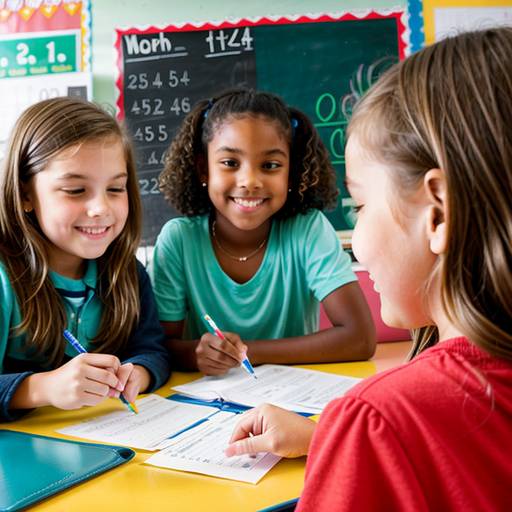
This 3rd-grade math lesson focuses on teaching students essential concepts related to money and budgeting. The lesson begins with an engaging discussion about money, where students learn to identify different coins and bills. They are then provided with play money to practice sorting and combining amounts, enhancing their counting skills.
Following this, students participate in a budgeting activity where they are given a "shopping list" of classroom items with corresponding prices. In pairs, they are tasked with creating a simple budget, selecting items to purchase while ensuring they stay within a set limit. This activity encourages teamwork and reinforces their understanding of making financial decisions.
Throughout the lesson, students have opportunities to engage in hands-on activities, share their thought processes, and discuss the importance of budgeting in daily life. Assessment is based on their participation during activities and the completion of budgeting worksheets. The lesson also includes suggestions for extensions and adjustments to cater to diverse learning needs while fostering real-world applications of money management skills.
This 3rd grade math lesson focuses on money and budgeting, helping students learn about identifying U.S. coins and bills, as well as adding and subtracting money amounts. The lesson begins with an engaging discussion about the purpose of money and includes interactive activities where students practice using play money to make exchanges and calculate change.
Students will work in small groups to create a budget based on a given scenario, making decisions about spending while prioritizing needs versus wants. Each group will then present their budgets to the class, discussing their choices and what they learned about responsible spending. The lesson concludes with a reflection on budgeting skills and an exit ticket to reinforce key concepts.
Overall, the lesson aims to provide students with essential financial literacy skills through dynamic, hands-on learning experiences.